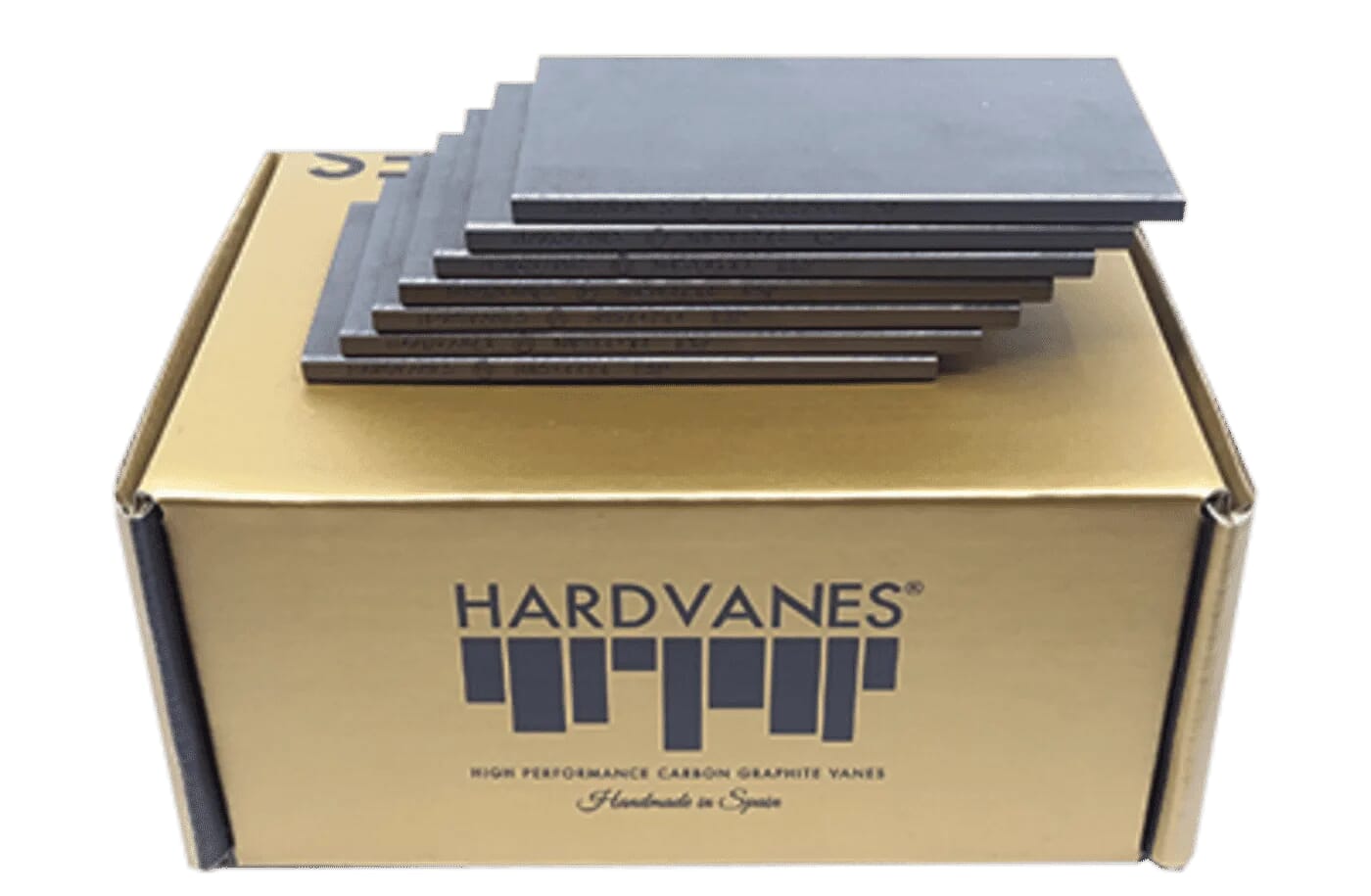
Identify the part
The model, nameplate, original part number and measurements help check geometry before ordering a vane set.

Technical guide to vacuum pump vanes
Choose your situation or search directly. Find an answer about your vane, pump or order.
Find your replacement in the HARDVANES shop. Compare model, material, dimensions and set quantity before buying. If you have not identified the vane yet, use the categories or send us your equipment details.
Shop and product category links open the Spanish catalogue.
No matching results. Try a material, brand or a word such as “noise”.
Brand, model, part number and compatibility.
Start with your pump nameplate and replacement part number. This category explains how to identify compatible vanes by brand and model, what to compare in a product specification and what to do without an original code. Brand names identify the intended equipment; check the compatibility stated for each HARDVANES replacement product.
Browse vanes and spare parts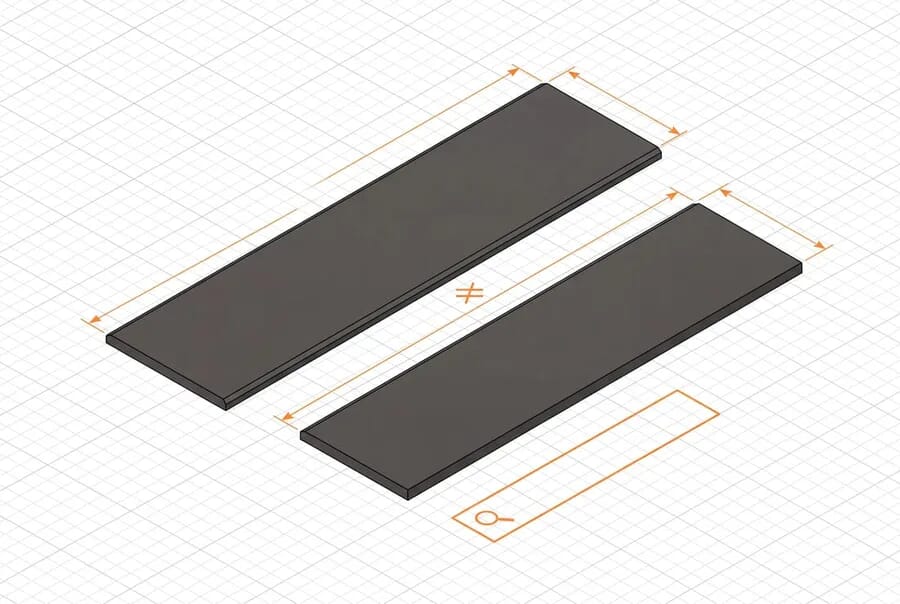
Check the full model and WN reference. For example, WN 124-034 and WN 124-161 are different references and must not be interchanged.
Keep every group of digits and separators in the WN reference when searching for BECKER vanes. Compare the shop result with the nameplate model; do not select a nearby reference simply because its first digits are the same.
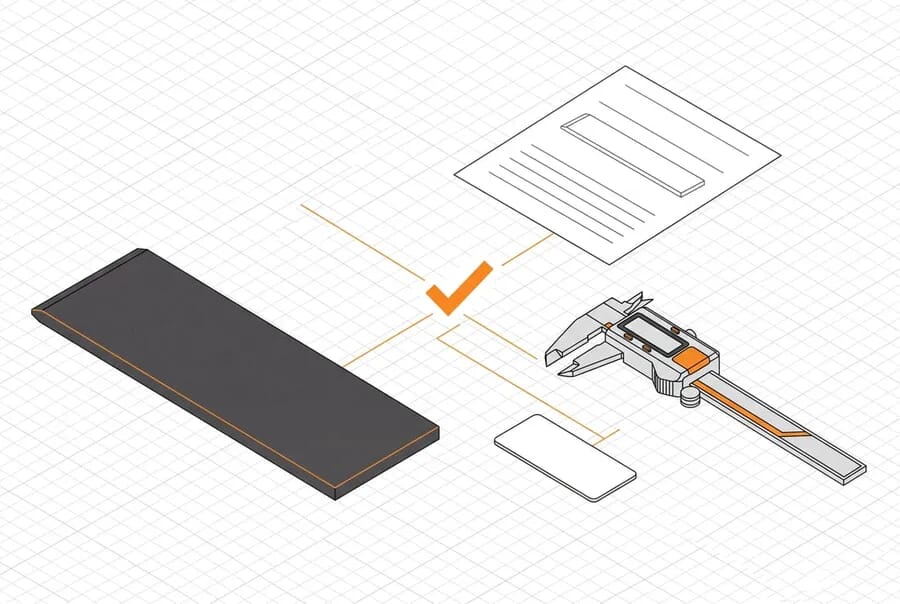
Use the exact model, series and replacement part number. Confirm dimensions and application against the corresponding technical sheet.
For Elmo Rietschle vanes, compare model suffixes and any version information in the documentation. If the previous part number is incomplete, send a photograph of the label or parts diagram so the identification can be reviewed accurately.
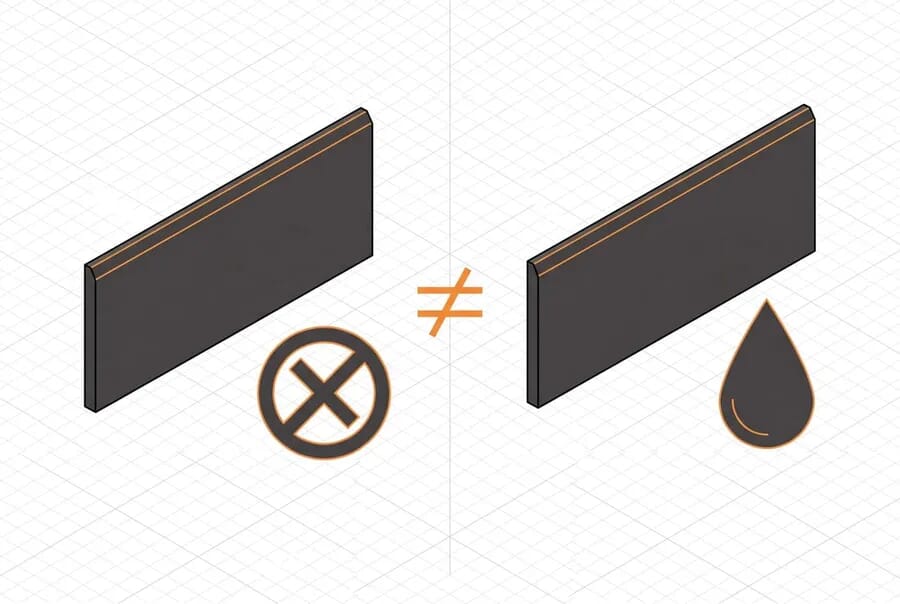
Do not assume equivalence between dry and lubricated series. Identify the complete model and use only the specified reference.
When searching for BUSCH vanes, state whether the equipment runs dry or lubricated and include its nameplate. The brand covers different designs; selection must identify the specific part number rather than stopping at the general product family.
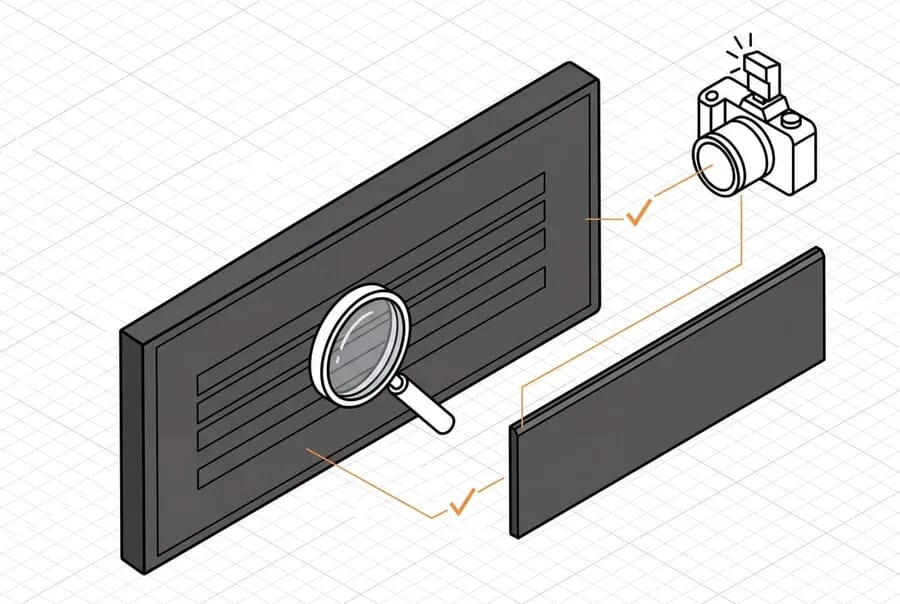
Provide the equipment nameplate and exact code. The series alone may not establish compatibility.
For an ORION vane enquiry, reproduce the identification letters, numbers and suffixes exactly. If you have several pumps, keep each machine's details separate; mixing nameplate photographs from different units can lead to an incorrect replacement selection.
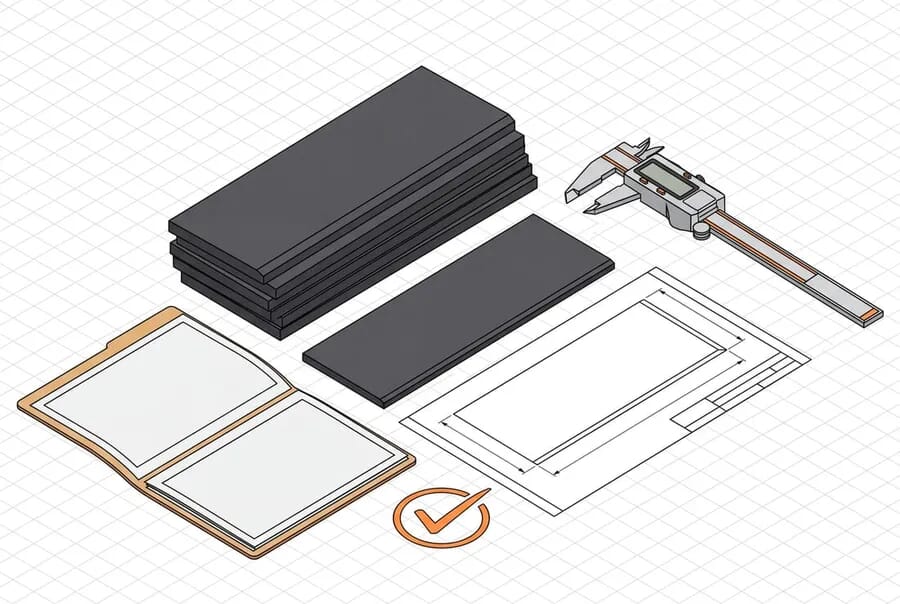
We can assess a reference when given the model, dimensions and technical documentation. Each proposal must be validated for the specific machine.
Specify whether you need a catalogue part or a custom manufacturing assessment for DVP, PVR or GEV. Further documentation may be required; receiving an enquiry does not constitute confirmation of either availability or compatibility with your particular equipment.
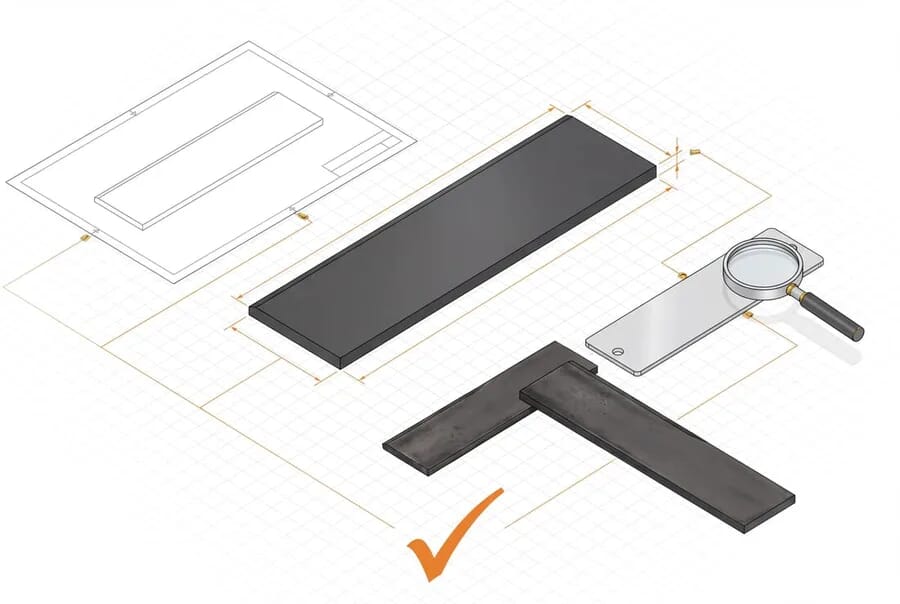
Feasibility depends on the model and design. Send the serial number, original part number and dimensions or drawing for assessment.
For Mattei or Hydrovane compressor vanes, include the operating duty and lubrication information stated in the manual. Keep a compressor request distinct from a vacuum pump vane enquiry so the proposed material and reference can be assessed correctly.
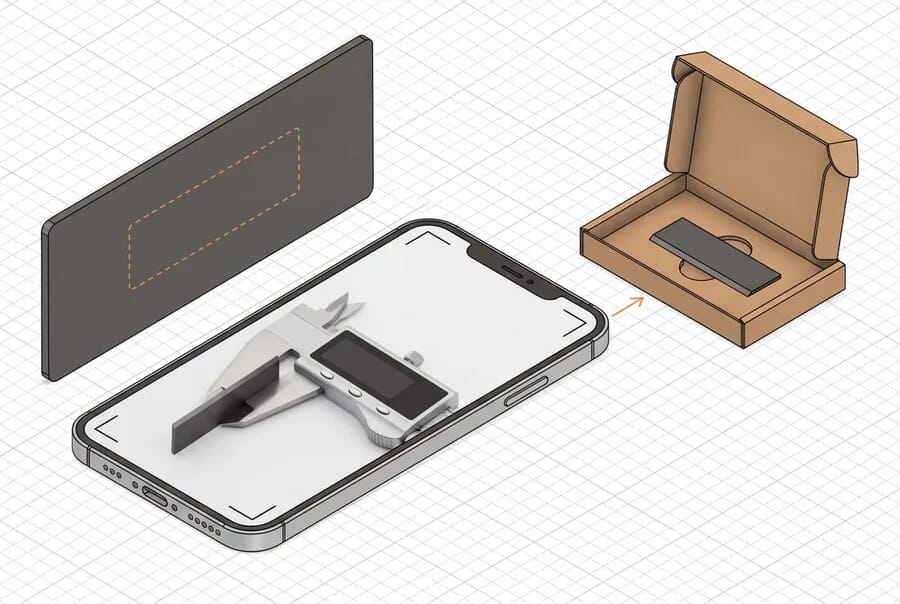
Send clear photographs of the equipment and vane, plus any available documents or references. A physical sample may be needed for identification.
Look for motor labels, maintenance documents and previous invoices, clearly stating which component each detail describes. A motor nameplate may help the enquiry, but it does not necessarily identify the pump model or its correct vane part number.
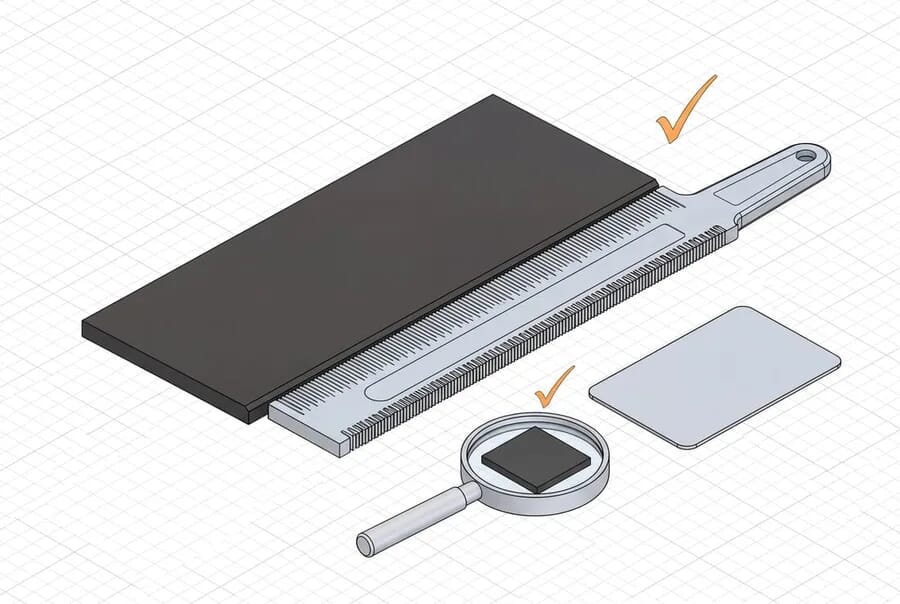
Yes, with complete equipment and part identification. Material and geometry compatibility must be verified.
For a Leybold Sogevac or Trivac enquiry, include the complete version and identification of the requested component. Do not assume all parts within a family share the same material, dimensions or suitability for a compatible alternative replacement.
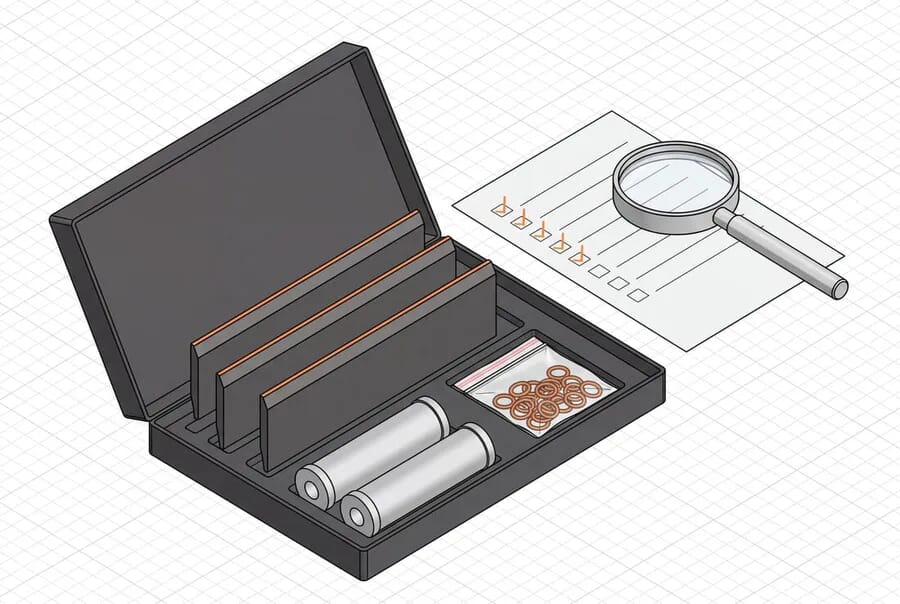
Contents depend on the product reference. Check explicitly whether vanes, filters, seals or other components are included before purchasing.
Read the kit contents as well as its commercial title and compare quantities with the planned maintenance. Identify any separately required filters or seals before purchasing so the delivery covers the components the equipment actually needs for the intervention.
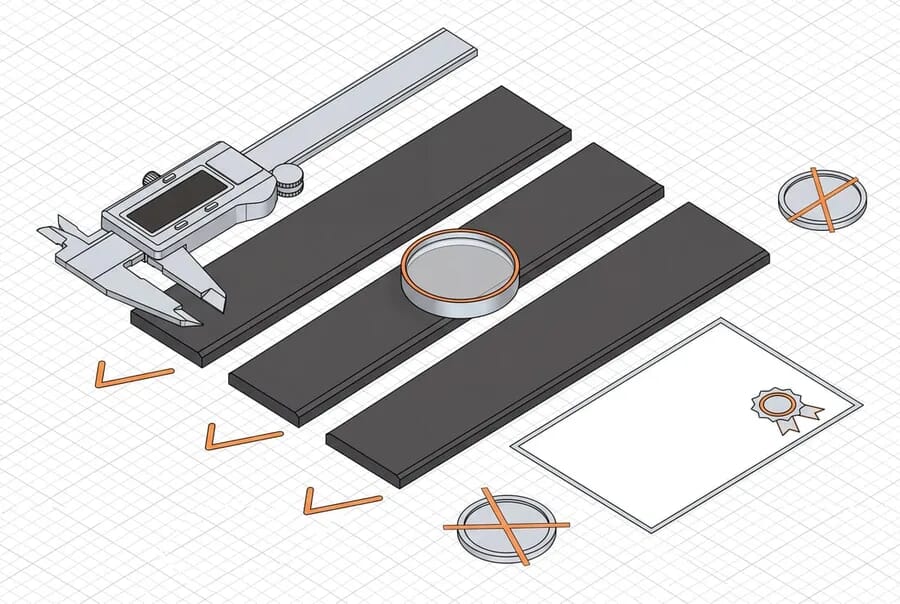
Compare part number, material, dimensional accuracy, finish, supply contents and technical support. Price alone does not establish compatibility.
Request comparable quotations: the same quantity, specification, documentation and delivery destination. A price difference between vacuum pump vanes may reflect different supplies; checking the scope prevents comparing a complete set with a single individual replacement vane.
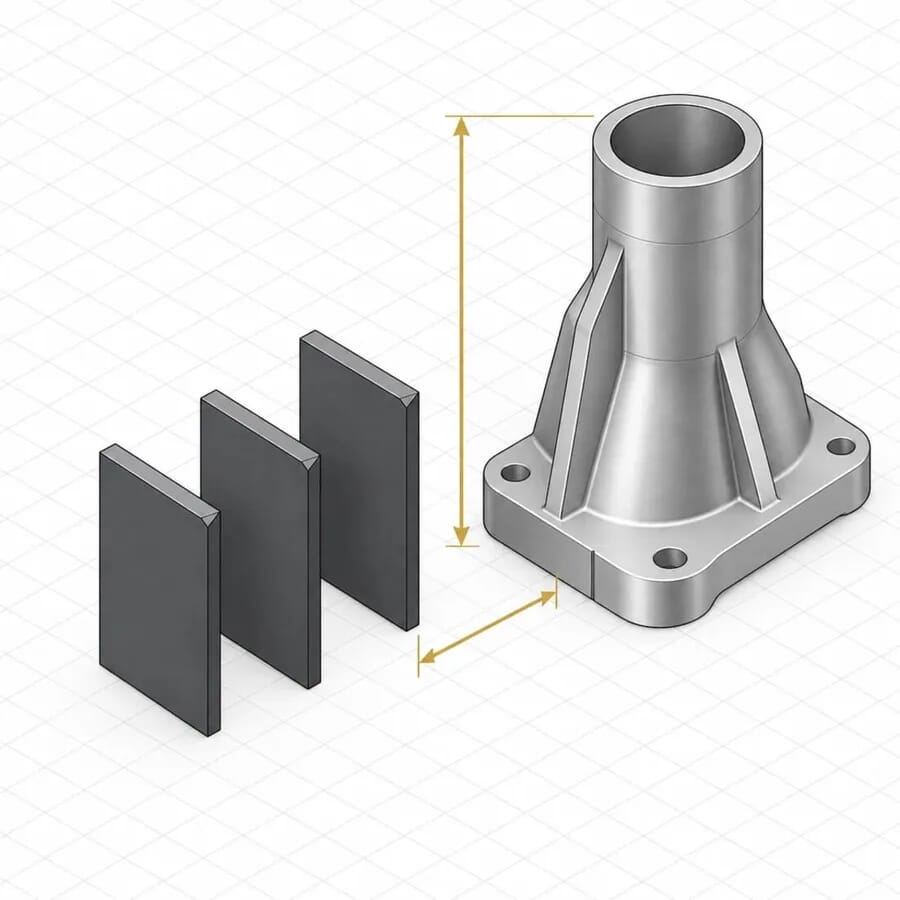
Yes, with the full model, serial number and original part number. Compatibility must be validated for the specific equipment.
For Atlas Copco enquiries, distinguish the machine identification from the specific wear component reference. Include a parts diagram where available and explain whether you need a documented replacement or an assessment of a special manufactured part.
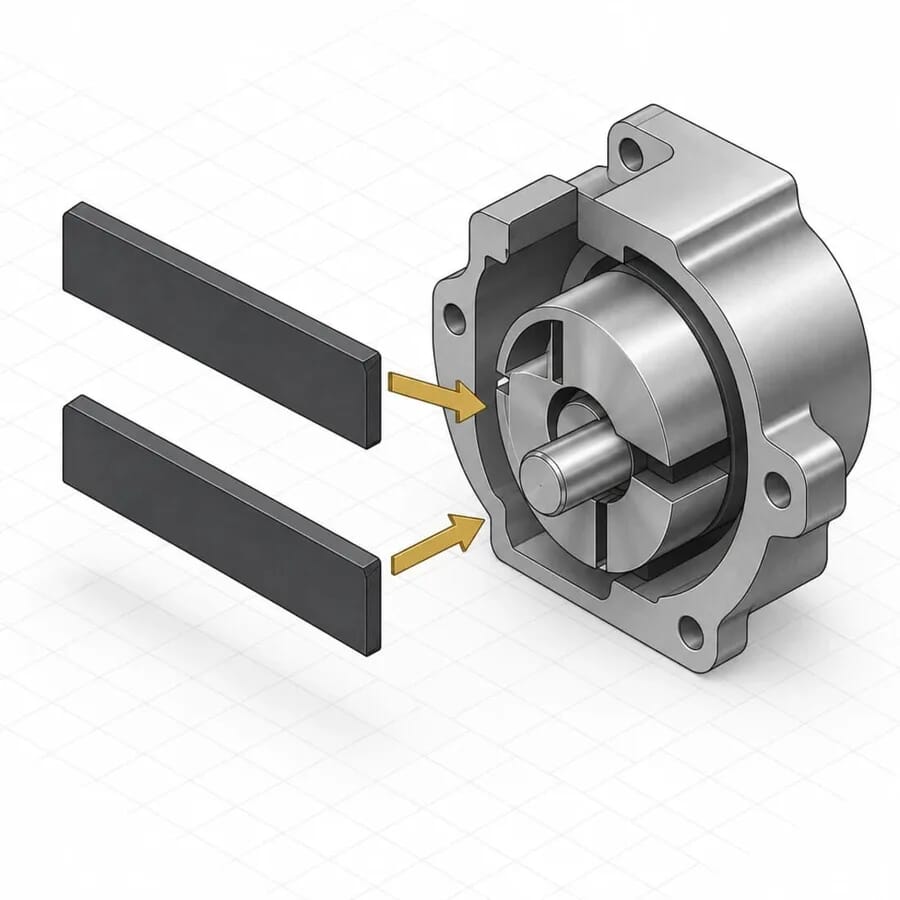
Send complete equipment and vane identification. We use these details to assess material, geometry and feasibility.
For Gardner Denver, retain any secondary code on the nameplate or previous replacement. These details may be needed to identify the version; a matching commercial model name alone is insufficient to confirm the required component and material.
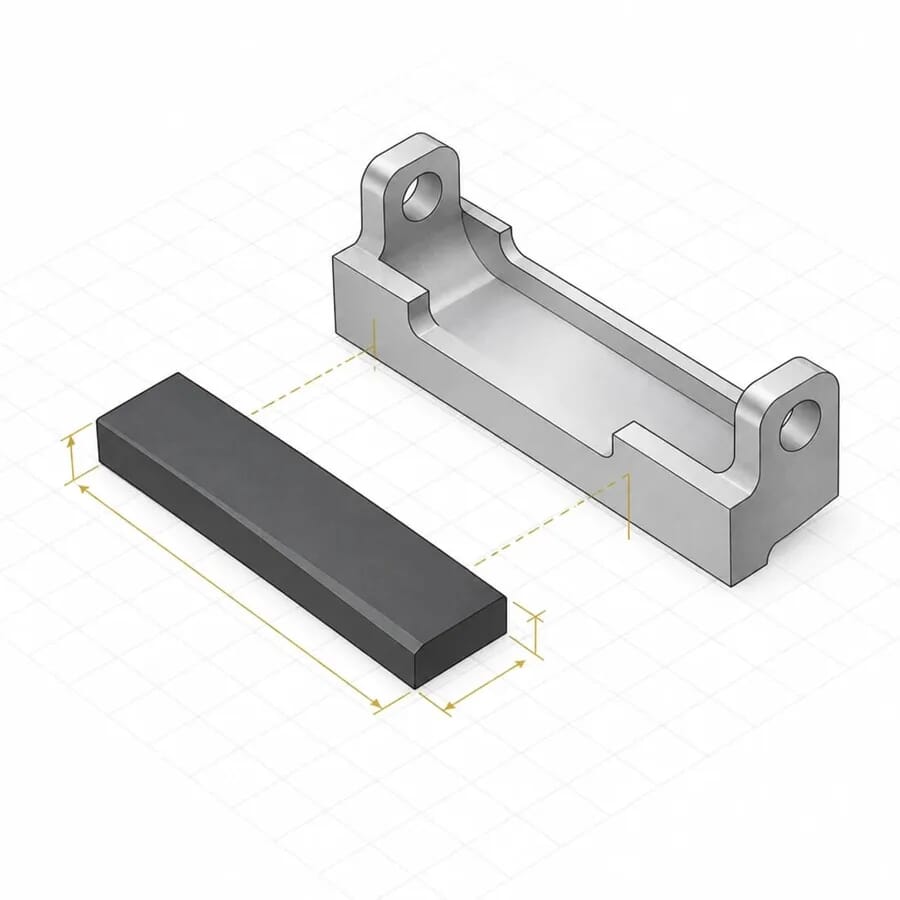
We can review a request with the exact model and replacement reference. Do not assume equivalence without checking dimensions and application.
Not all Edwards equipment uses the same technology or replacement parts. First identify the required component in the parts manual and provide that reference before requesting a compatible alternative or asking for a custom manufacturing assessment.
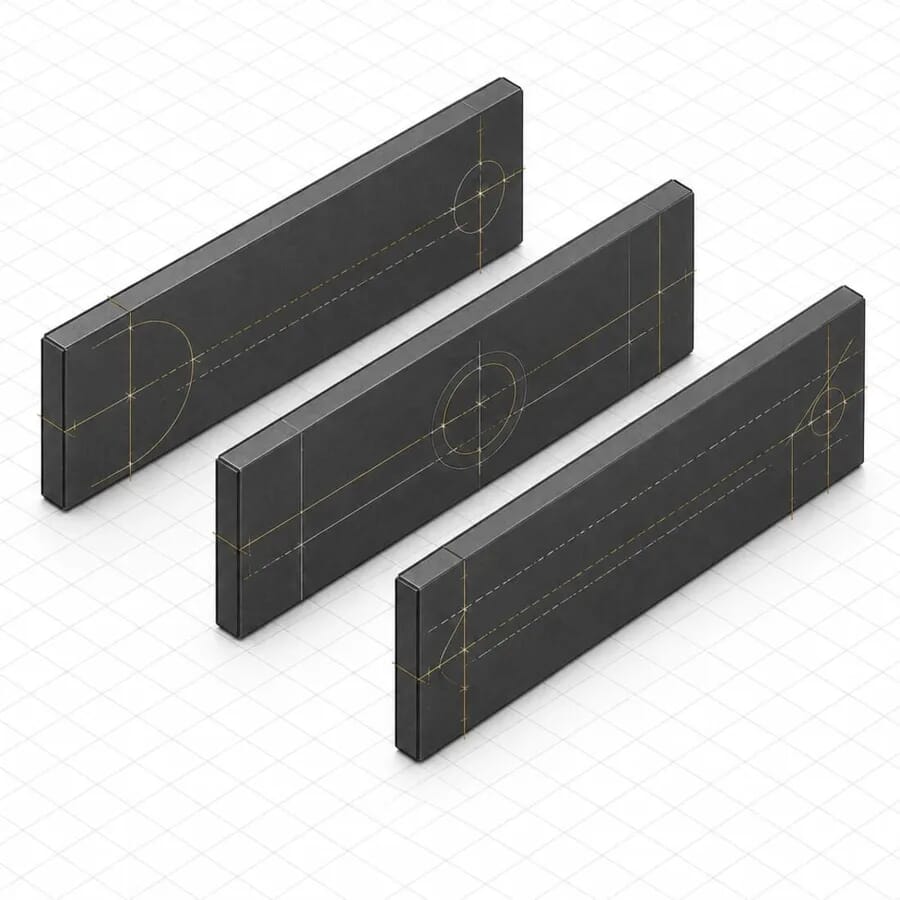
Provide the full model and replacement part number. We will assess the request against the available technical documentation.
For a Pfeiffer Vacuum enquiry, attach the relevant parts diagram page if available. Identifying the requested component and its position prevents a vane enquiry from being confused with another maintenance item used elsewhere in the equipment.
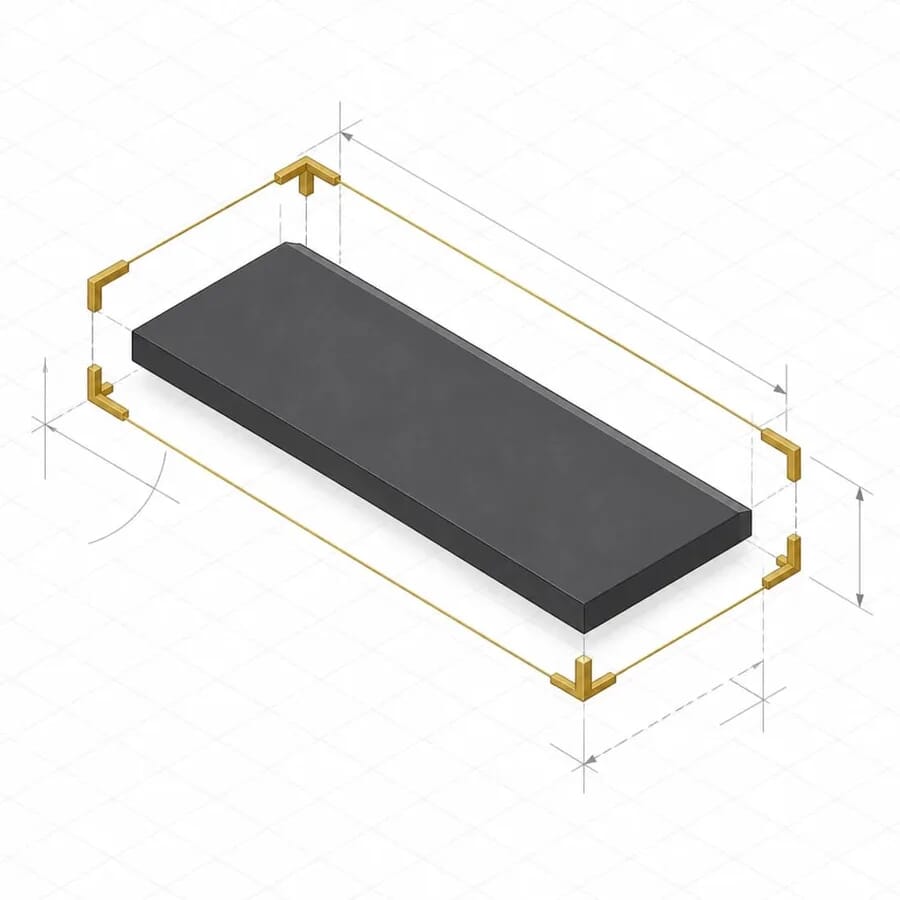
Yes, with the model, serial number and photographs. Compatibility is confirmed after analysing the part.
When searching for GAST vanes, check the complete equipment reference and required set quantity. If you only have a used part, state its condition and include photographs with the measurements so each dimension can be interpreted correctly.
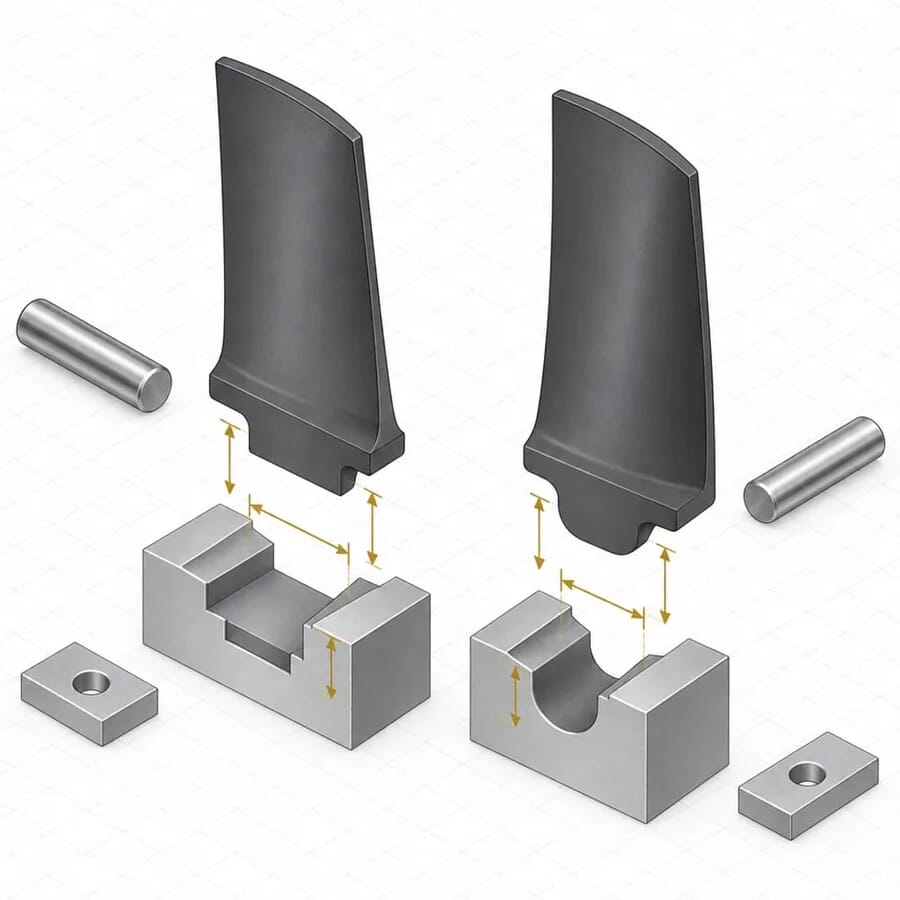
Feasibility depends on model and design. Send the nameplate, original reference and dimensions for assessment.
For a Kaeser enquiry, specify the machine type and exact component requested. A compressor brand does not represent a single design; a supply proposal should be based on an identified part number and sufficient documentation for assessment.
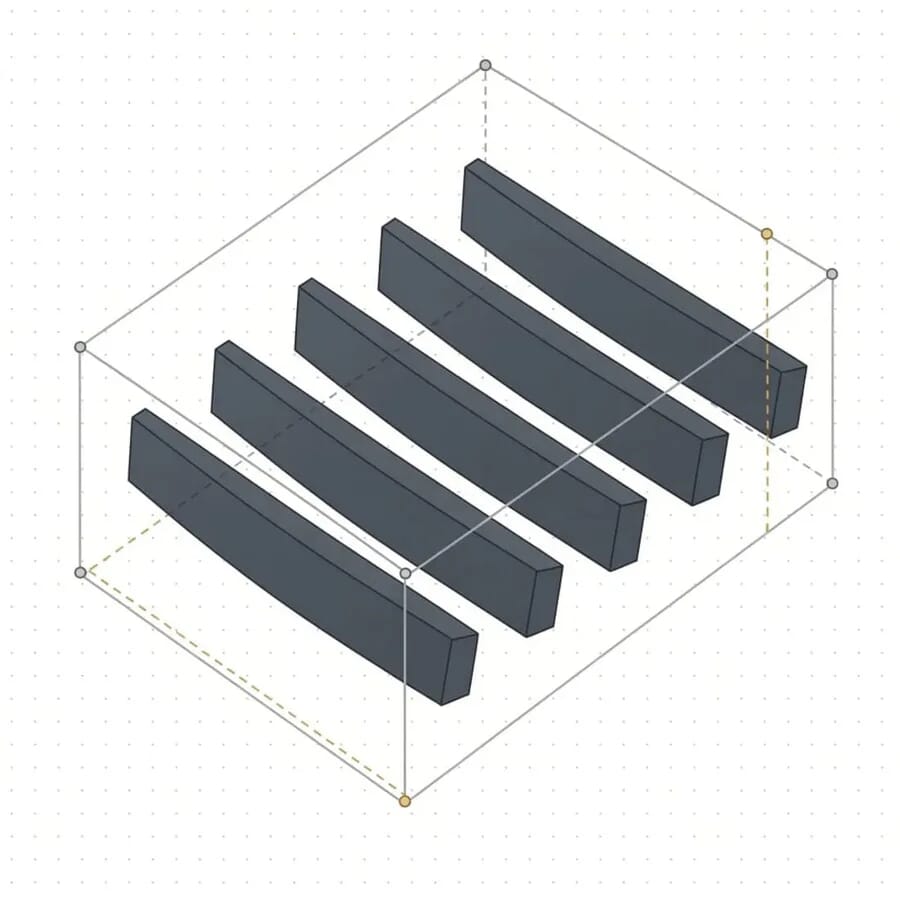
Provide the model, series and previous part number. We will check geometry and material before proposing a solution.
For Ingersoll Rand, add any identification of the assembly containing the part and retain the previous order reference. This helps distinguish replacements for different equipment operating within the same industrial installation and avoids combining unrelated component details.
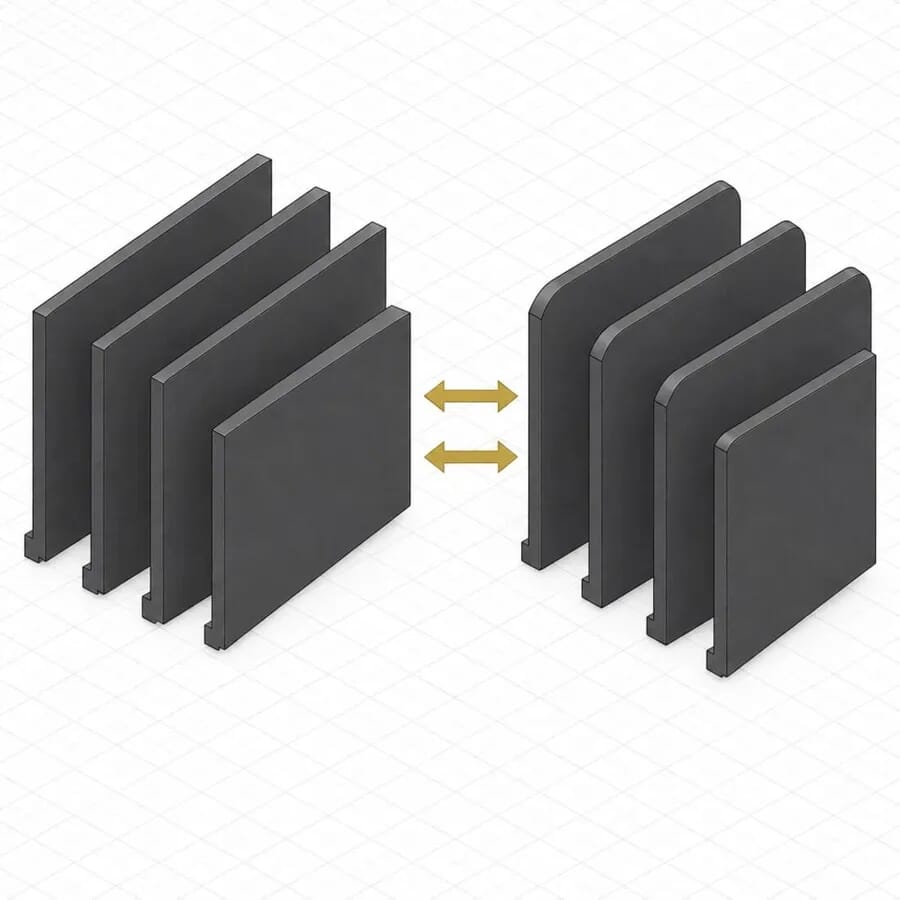
We can assess requests with complete equipment and part identification. Each proposal must be validated for the specific machine.
For Tuthill or Kinney enquiries, clarify whether the documentation identifies the complete pump or a subassembly. Attach the available drawing or parts diagram so the correct component can be assessed without inferring compatibility from the brand alone.
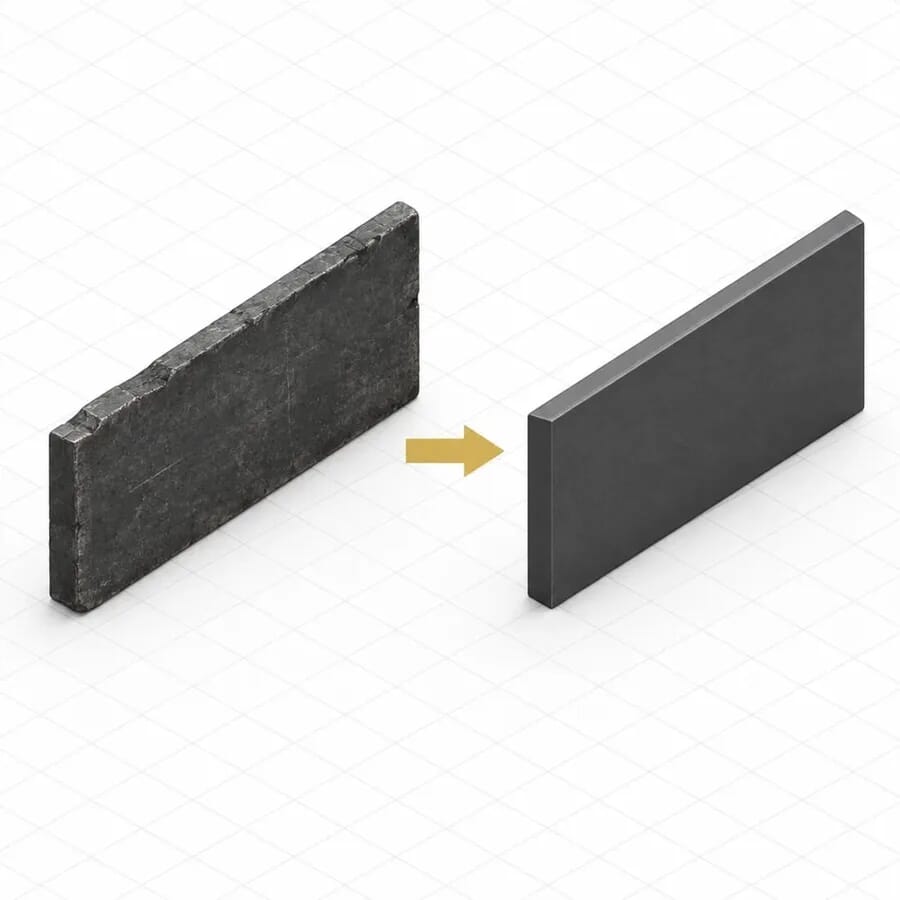
Send a sample or drawing and the equipment details. We can assess custom manufacturing from this information.
An obsolete reference does not automatically reveal every original dimension. State which measurements come from documentation and which from a worn sample; this distinction supports a clear assessment of custom vane manufacturing and the information still required.
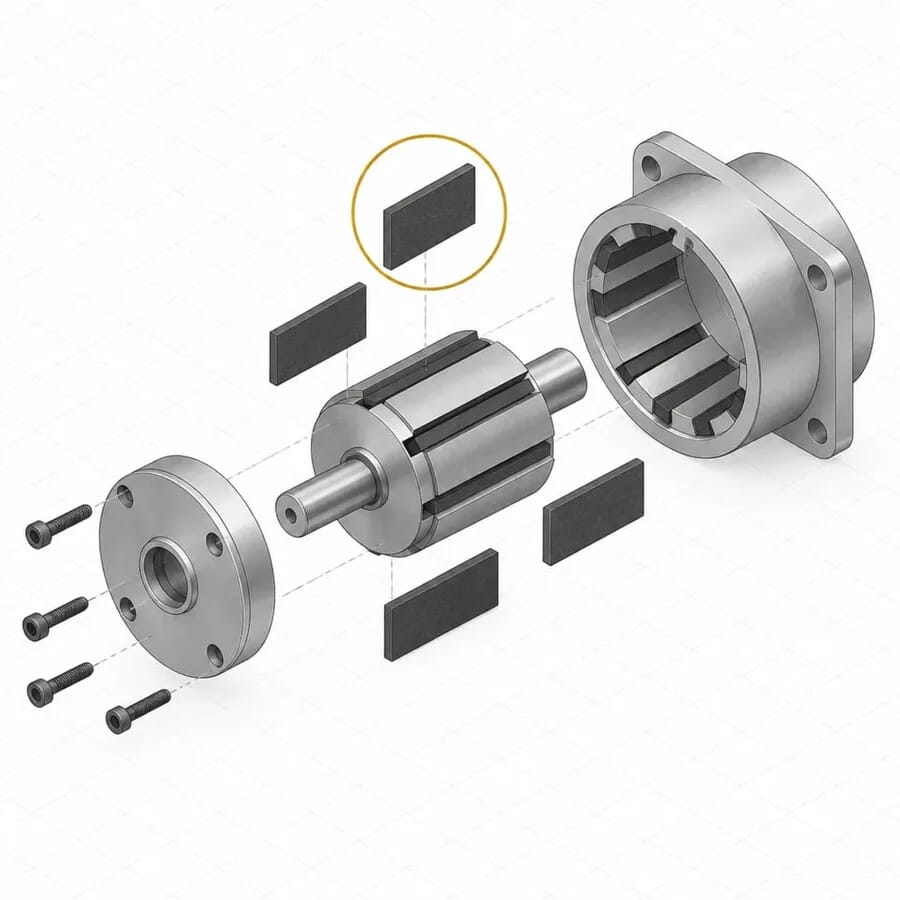
Consult the parts manual for the exact model and locate the rotor or vane assembly. If you cannot find it, send us the model for review.
Record the item position and parts diagram revision alongside the manufacturer's part number. Check that the document matches your equipment version; a parts list for a closely related series may include different replacements for apparently similar components.
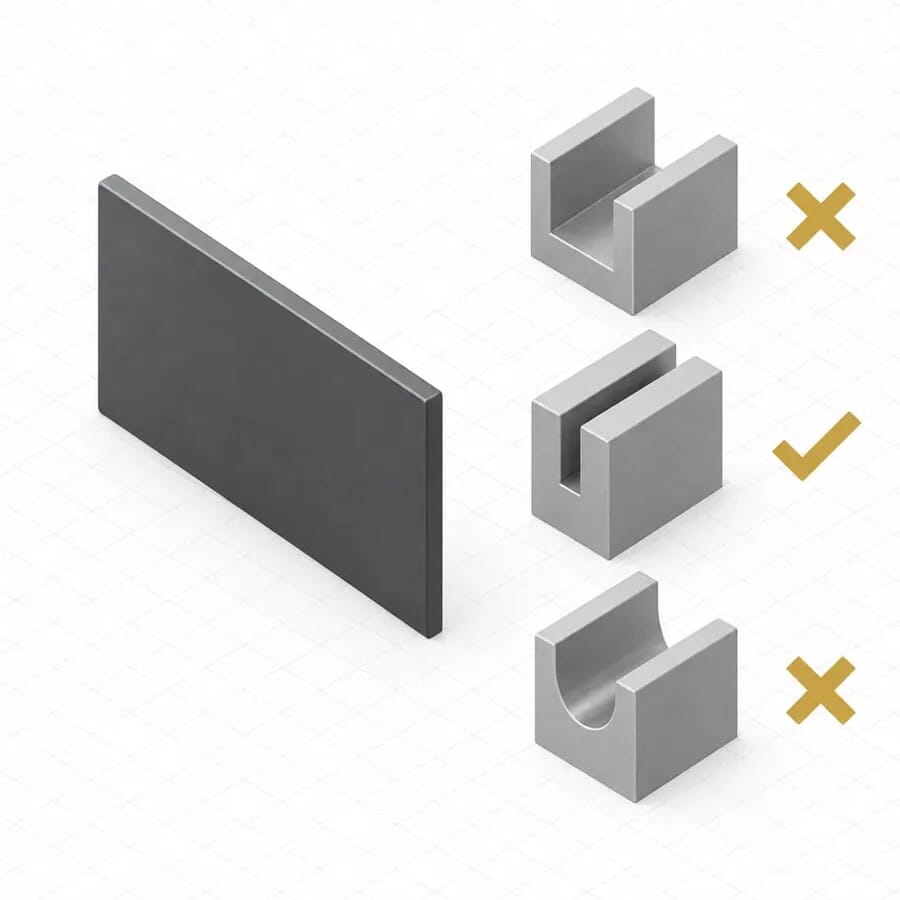
Do not assume so. Compare reference, dimensions and material for each model; a partial match does not guarantee compatibility.
When managing multiple models, link each pump to its confirmed vane reference. Combine orders only where the documentation supports it: a shared brand, appearance or approximate dimensions do not establish that the replacement parts are interchangeable between machines.
Loss of vacuum, noise, heat, breakage or wear.
If your pump loses vacuum, makes unusual noise or wears vanes sooner than expected, first identify the symptom and operating conditions. These answers help prepare information for inspection and distinguish a replacement requirement from other assembly problems. Base the purchase on a verified part number and the relevant diagnosis.
Check my part number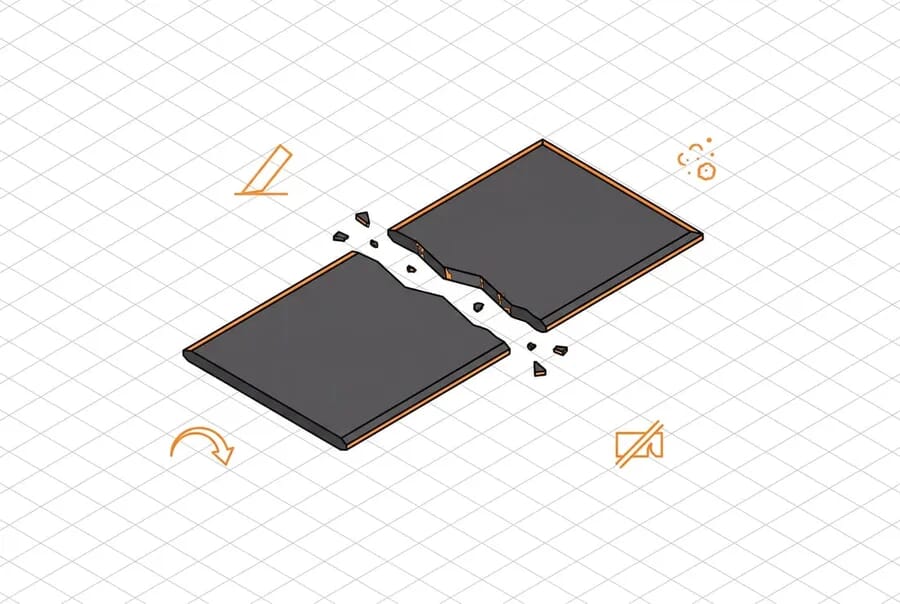
Possible causes include incorrect assembly, contamination, mechanical wear, blockages or unsuitable selection. Stop the equipment and inspect the assembly before fitting new parts.
Keep the fragments and photograph their location if this can be done safely. Record hours since the last replacement, the installed material and filter condition; these details help investigate repeated vane breakage without assuming a single cause.
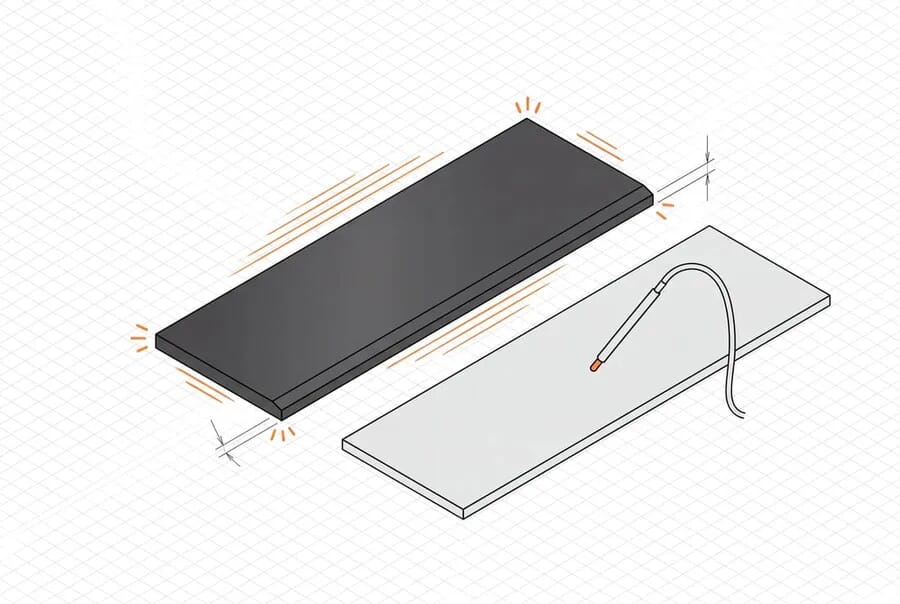
An unusual noise may indicate contact, wear or operating problems. Stop operation and arrange a technical inspection following the equipment procedure.
Describe whether the rattling occurs during startup, when hot or throughout the cycle. An incident record helps the technician narrow the investigation, but a sound recording alone cannot establish which replacement component should be purchased for the pump.
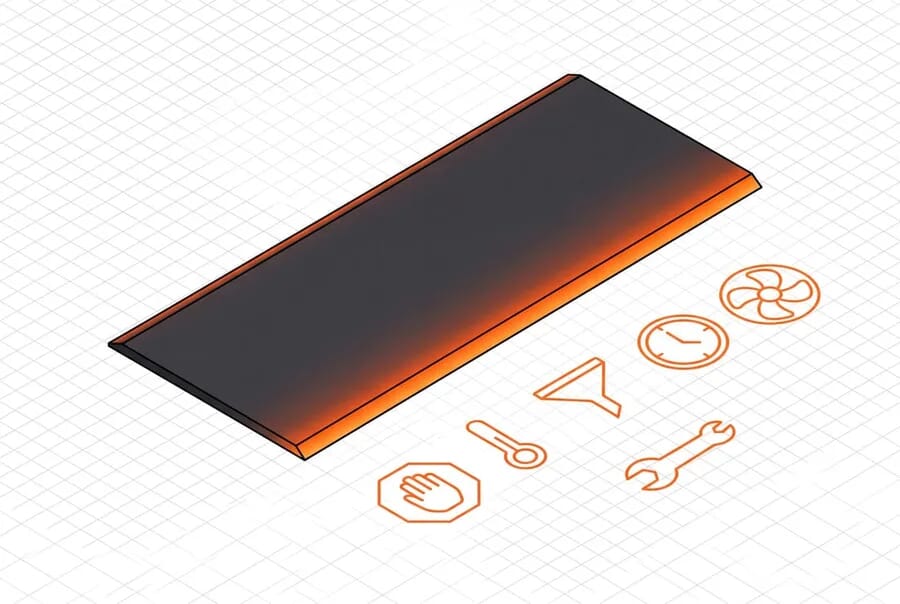
Check ventilation, filters, duty and mechanical condition according to the manual. If the normal range is exceeded, stop the equipment safely.
Note whether overheating began after filter replacement, vane installation or a process change. Compare equivalent operating conditions; replacing only the vanes will not resolve a ventilation restriction or operation outside the equipment's specified conditions and service limits.
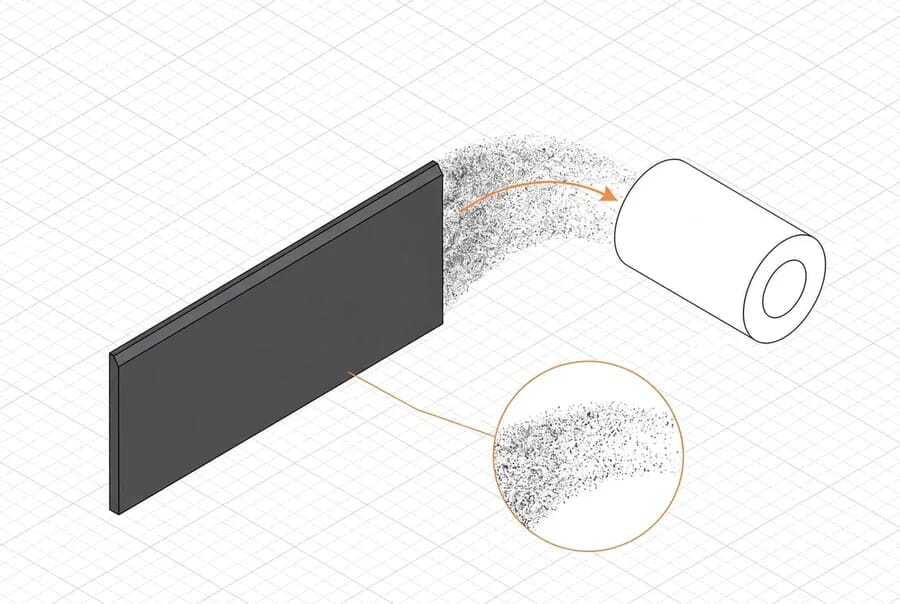
Some particles may result from wear in dry applications. An unusual increase calls for inspection of vanes, filtration and operating conditions.
Observe changes from normal behaviour and record the installed set's service hours. Dust alone does not identify an incorrect graphite grade; the assessment should consider quantity, actual wear and operating conditions rather than drawing conclusions from appearance alone.
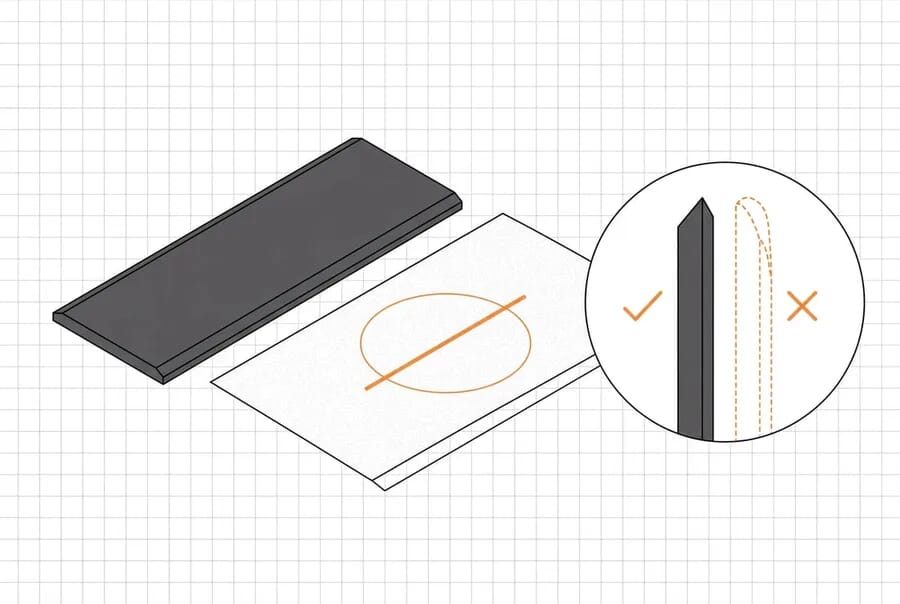
Do not alter dimensions or chamfers by hand without an approved procedure. An incorrect adjustment can change clearances and damage the equipment.
Thickness, flatness and chamfers are part of the replacement's functional specification. If a new vane does not fit, compare its part number and dimensions first; request a review before altering a component that may belong to another model.
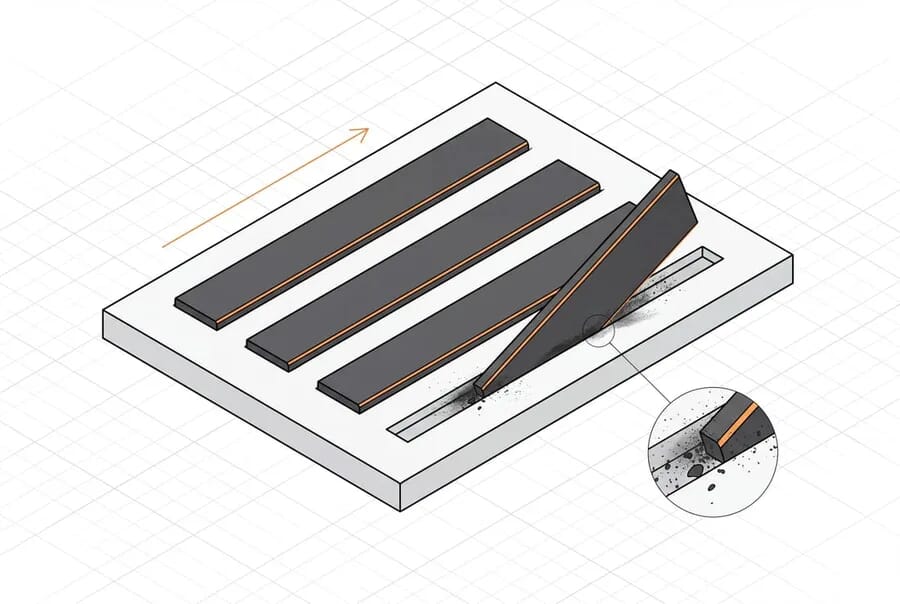
Stop the equipment. Have qualified personnel check contamination, slots and part condition. Use only the recommended cleaning procedure.
State whether sticking followed a shutdown, cleaning operation or change of material. That sequence matters to the inspection. Buying a new set should not replace examining the rotor slots and identifying the condition responsible for the problem.
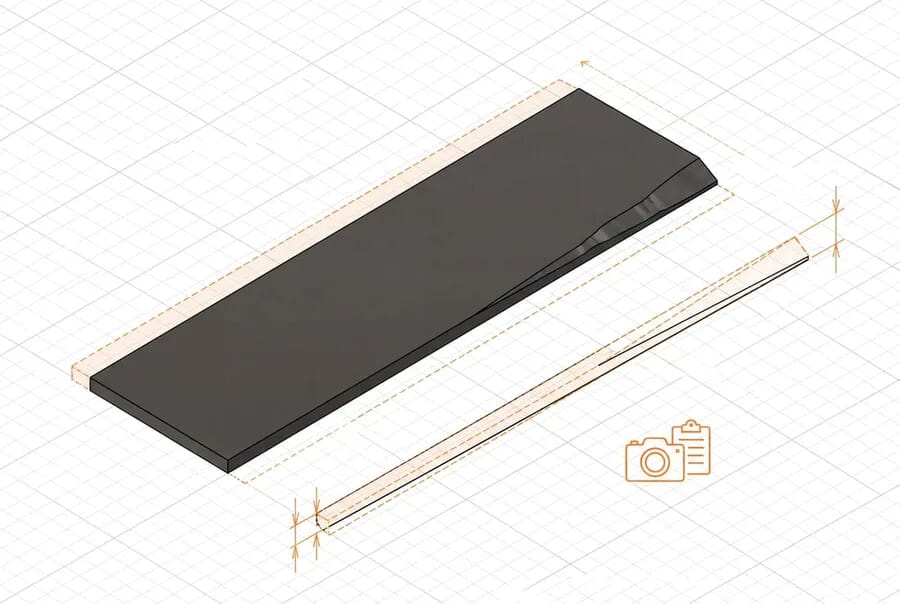
It may relate to geometry, installation or equipment condition. Record photographs, operating hours and measurements to guide inspection without assuming a single cause.
Compare parts from the same set and identify which faces show the greatest wear. A photograph of each vane, labelled by position if known, provides more useful evidence than a single general photograph of the disassembled set.
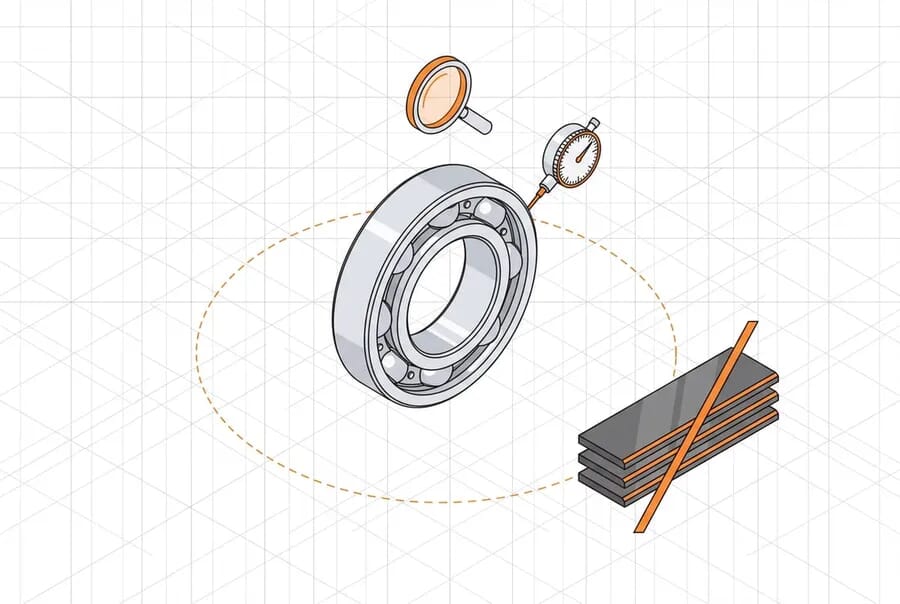
Intervals depend on the model and inspection findings. They cannot be determined solely from the number of vane sets used.
Include vibration, noise and repair history in the bearing assessment. Vacuum pump maintenance needs to consider the complete assembly; repeatedly replacing vanes does not correct an unresolved mechanical problem elsewhere in the equipment or establish its cause.
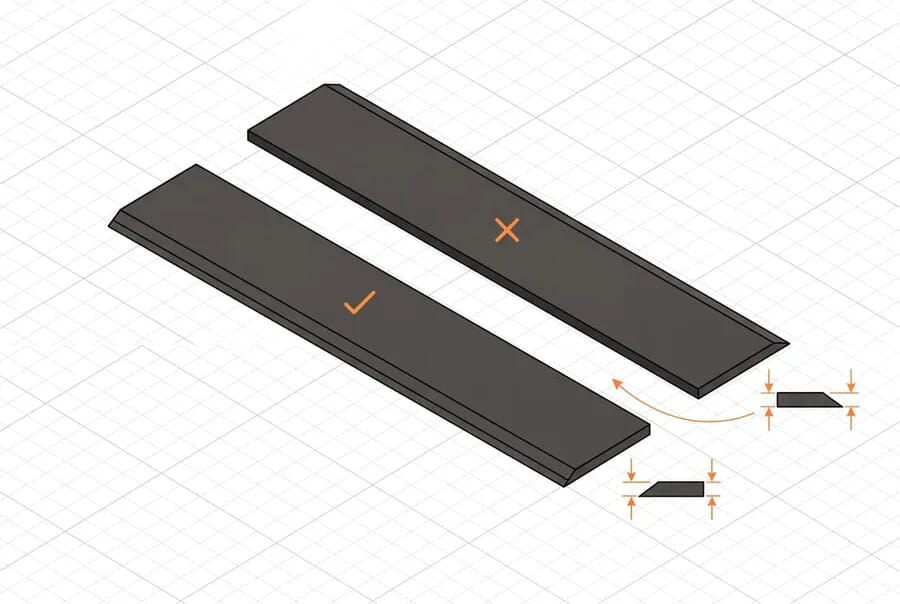
Installation orientation has a functional purpose and must be respected. Check the correct direction in the manual before starting the equipment.
Before removing old parts, document their position where the procedure allows. If that installation was also uncertain, do not treat it as a valid reference: check against the manual or the equipment's technical documentation before fitting replacements.
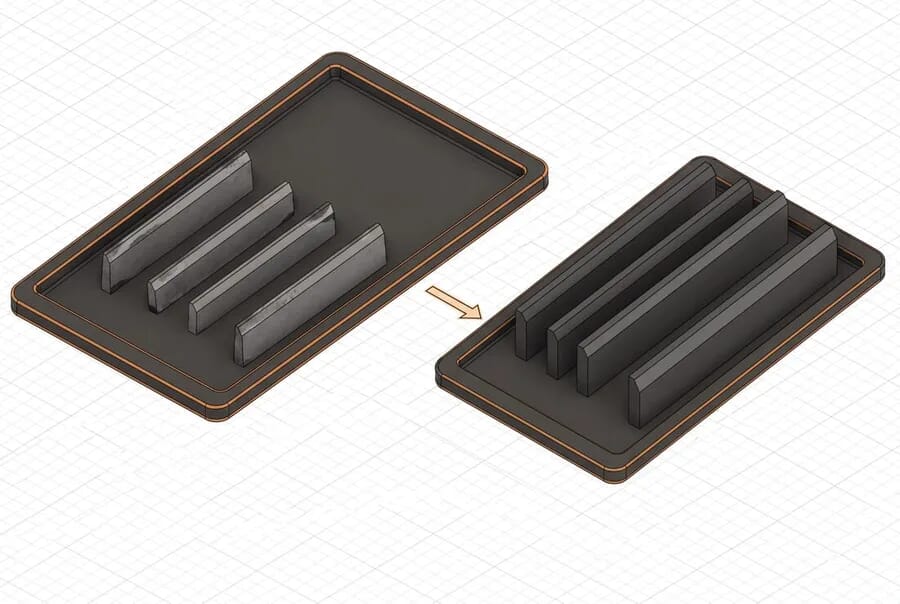
Follow the manufacturer's instructions on replacing complete sets. Mixing new and used parts can cause differences in wear or behaviour.
When purchasing replacements, check how many units the sales reference contains and how many your rotor requires. A vane set must have a defined content; confirm the quantity so the planned maintenance intervention is not left short of parts.
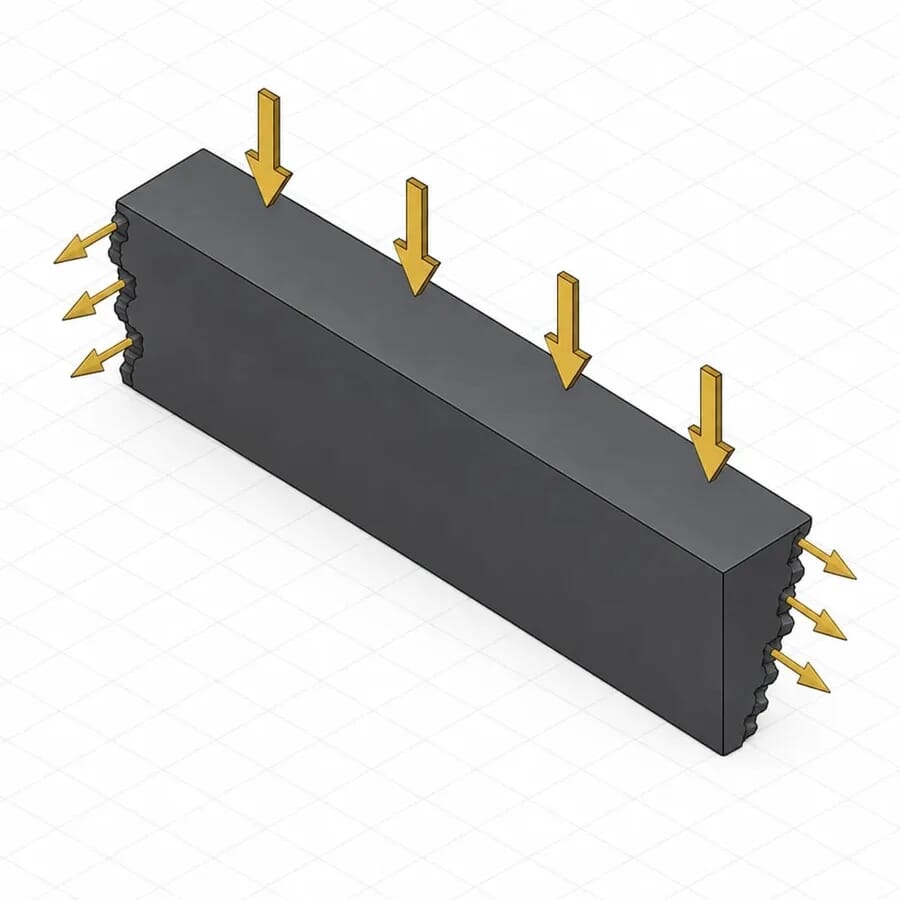
Possible causes include wear, leaks, blocked filters or contamination. Inspect the complete system according to the manual before deciding which parts to replace.
State where vacuum is measured, which instrument is used and under what conditions. A reading at the process and one at the pump may represent different situations; comparing equivalent measurements helps decide whether the vanes need inspection.
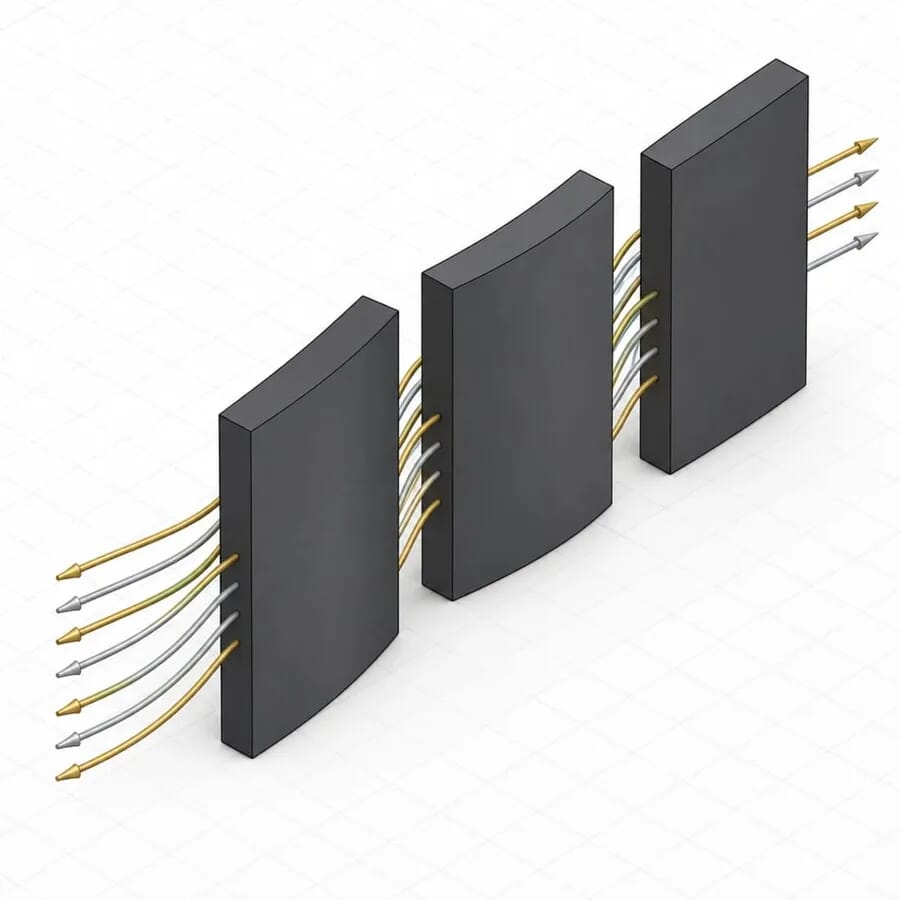
Worn vanes, excessive clearances or inlet restrictions are possible causes. Diagnosis requires measurements against the equipment specifications.
Distinguish reduced flow from loss of ultimate vacuum: they are different observations. Record process behaviour and measurement conditions so the inspection does not simply lead to replacement purchases without first establishing the relevant cause of the problem.
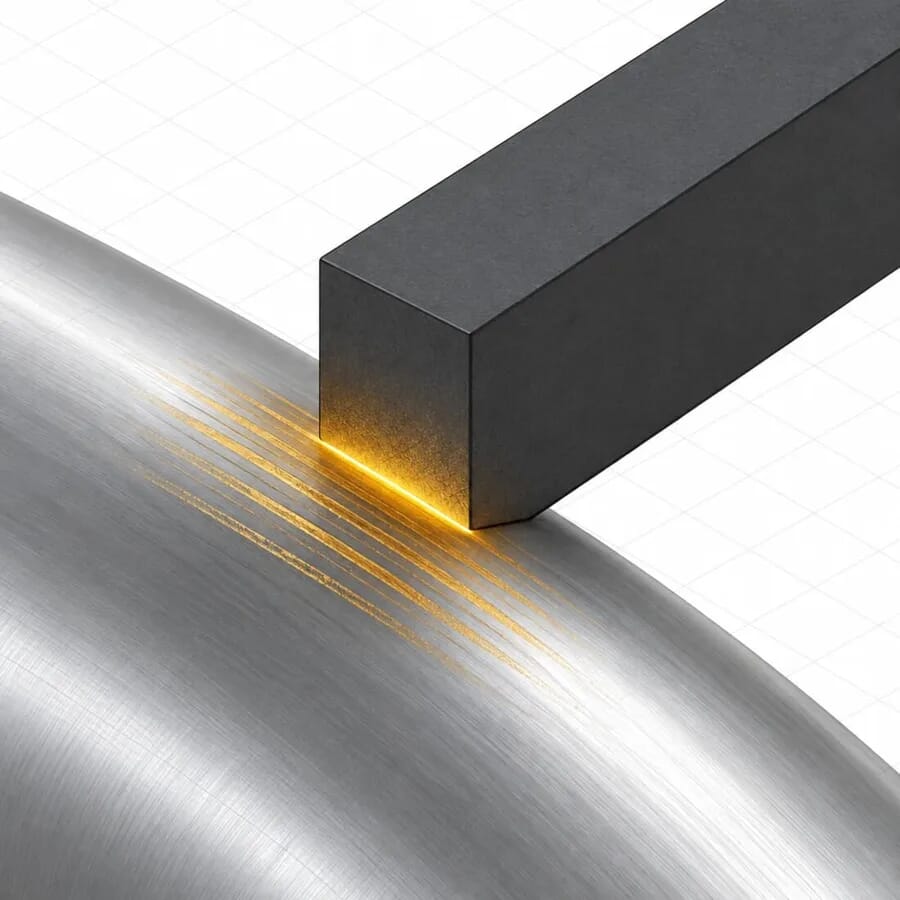
It may signal excessive friction, obstructions or operation outside the allowable range. Stop the equipment and arrange a qualified inspection.
Record the observed values and circumstances, leaving electrical checks to qualified personnel. High consumption does not automatically identify a defective vane; it must be assessed alongside load, mechanical condition and the installation in which the pump operates.
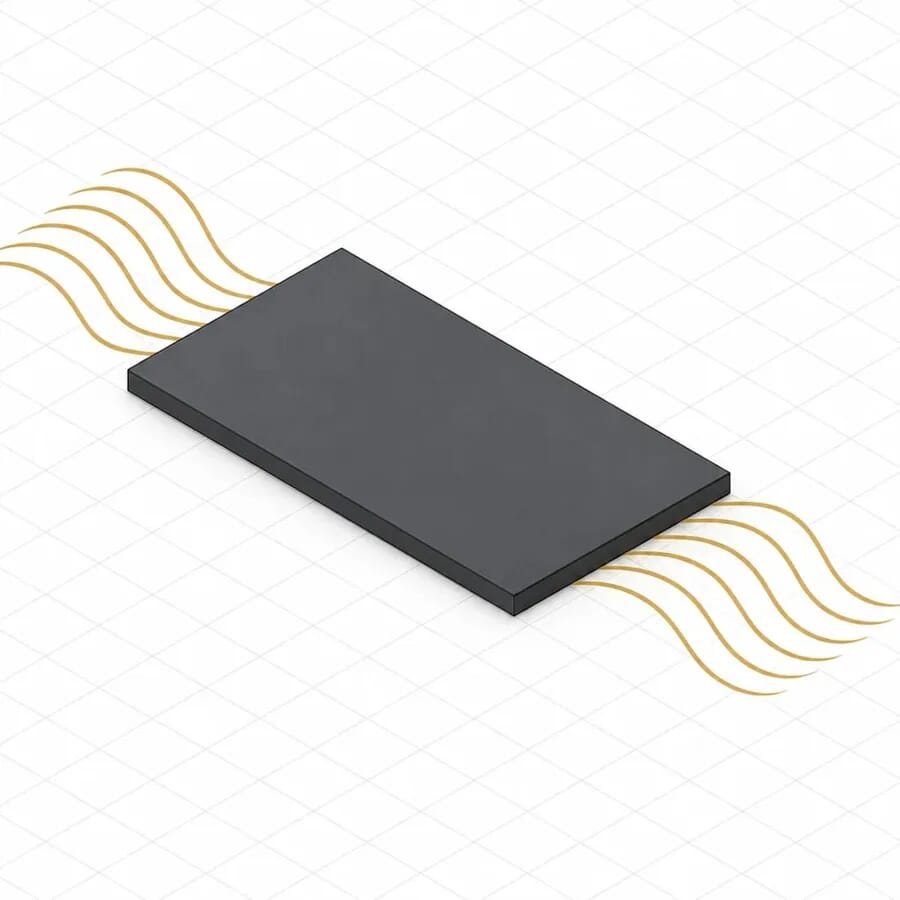
They may relate to bearings, misalignment or damaged parts. Do not continue operating until the cause is identified.
Note whether vibration appeared after relocation, repair or a process change. Keep that chronology for the technical inspection. Buying a new vane set does not replace checking supports, alignment and the condition of other relevant components.
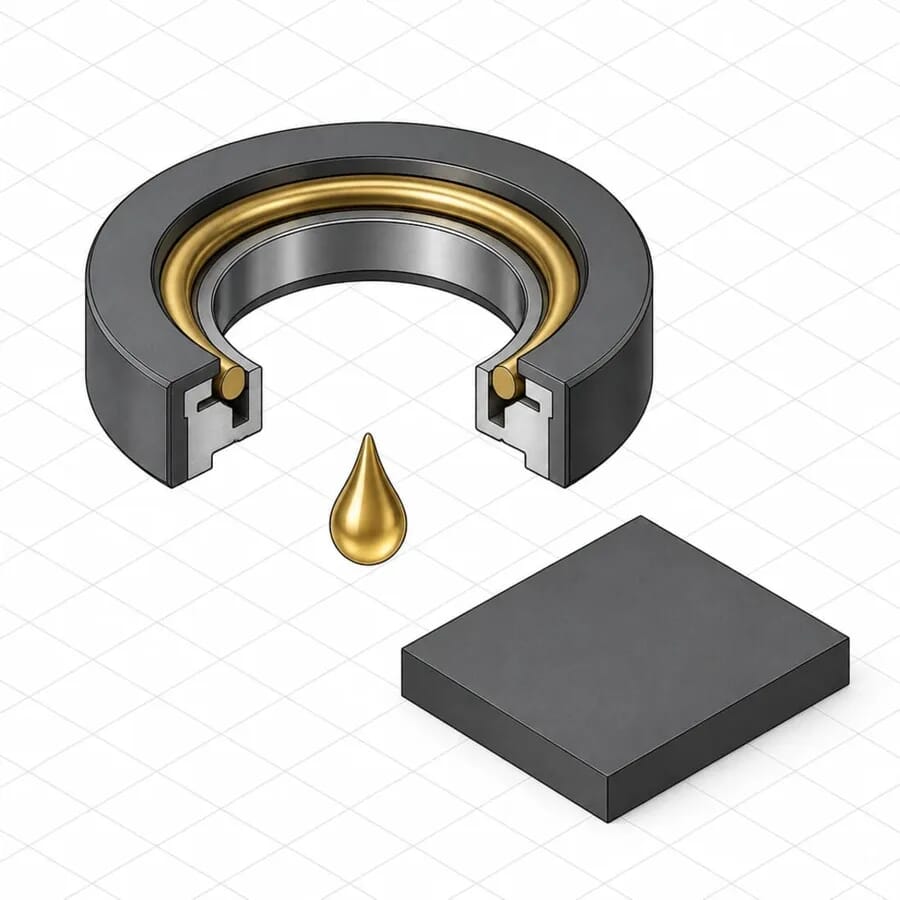
Leaks may come from damaged gaskets, seals or connections. Identify the exact source and replace components with the manufacturer's specified references.
Before ordering seals, identify the leakage area and pump version. Do not attribute an external oil leak to the vanes without inspection: the replacement needed may belong to another assembly and require its own verified part number.
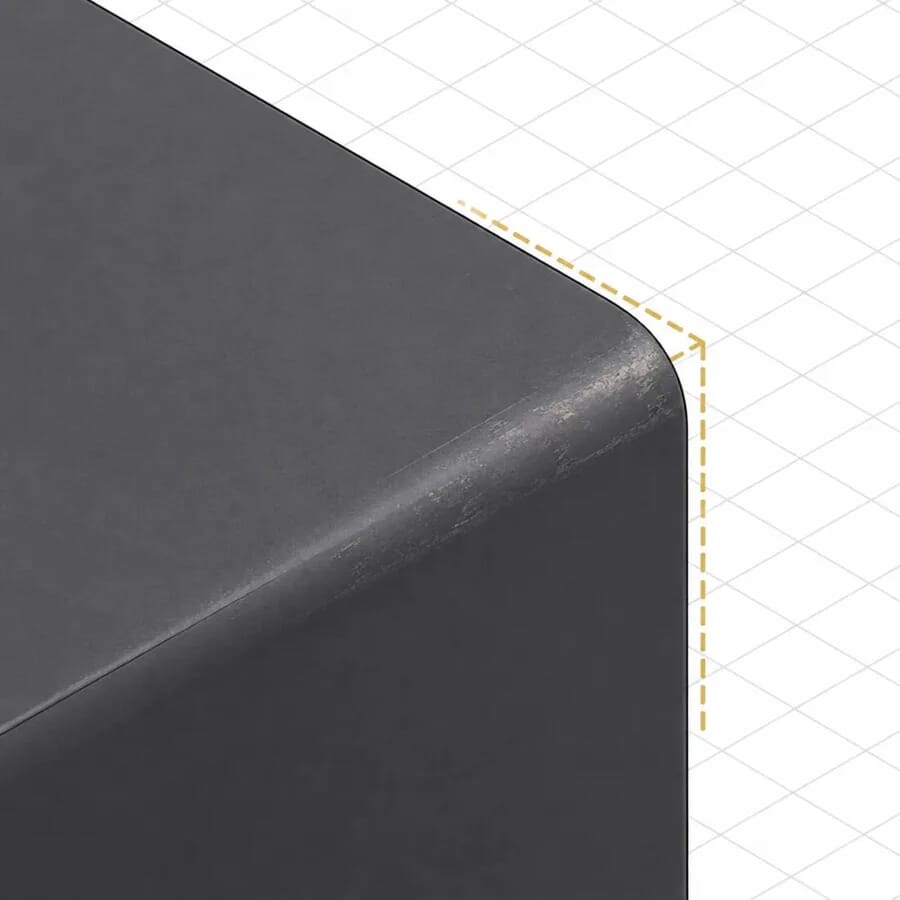
It may be associated with contamination, misalignment or severe operating conditions. Keep the part and record photographs for diagnosis.
Photograph the affected edge together with the part's other faces and its installation position, if known. Comparing all vanes in the set helps document whether the observed wear is uniform or localised before drawing conclusions about replacement.
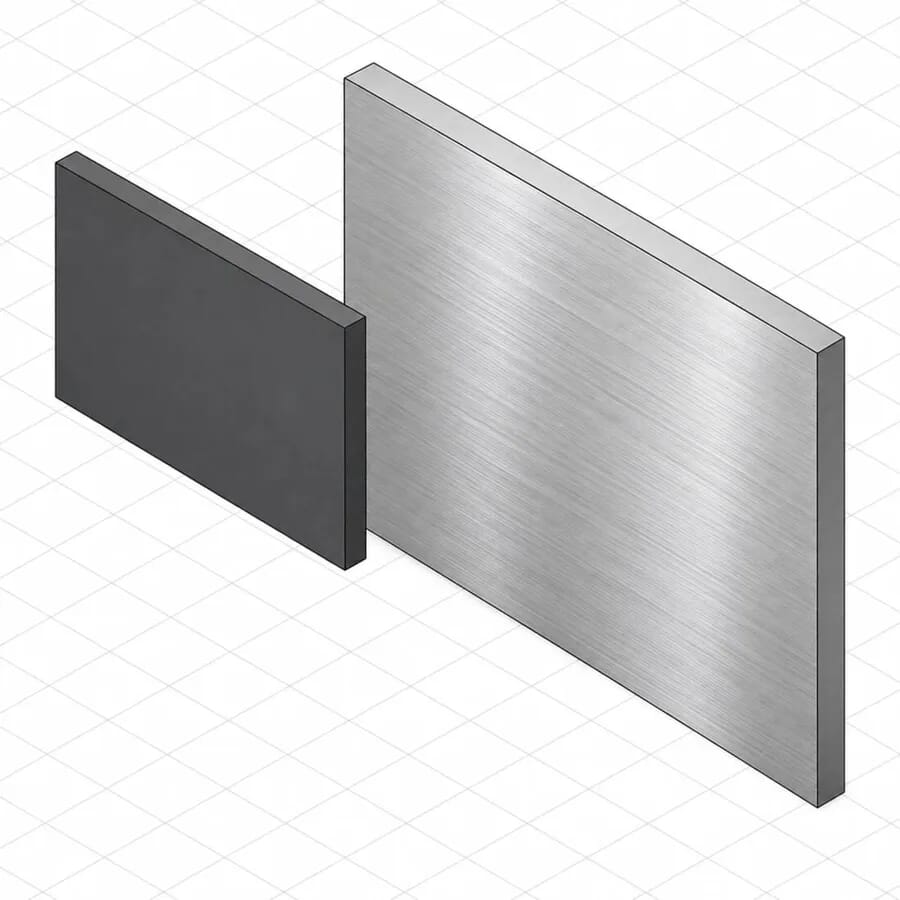
Particles, unsuitable materials or abnormal contact can cause them. Assess a damaged chamber before fitting new vanes.
A scored surface can affect how new parts operate. Keep photographs of the damage and avoid hiding it through improvised reworking; the decision to repair or replace components should follow the technical criteria for the specific model.
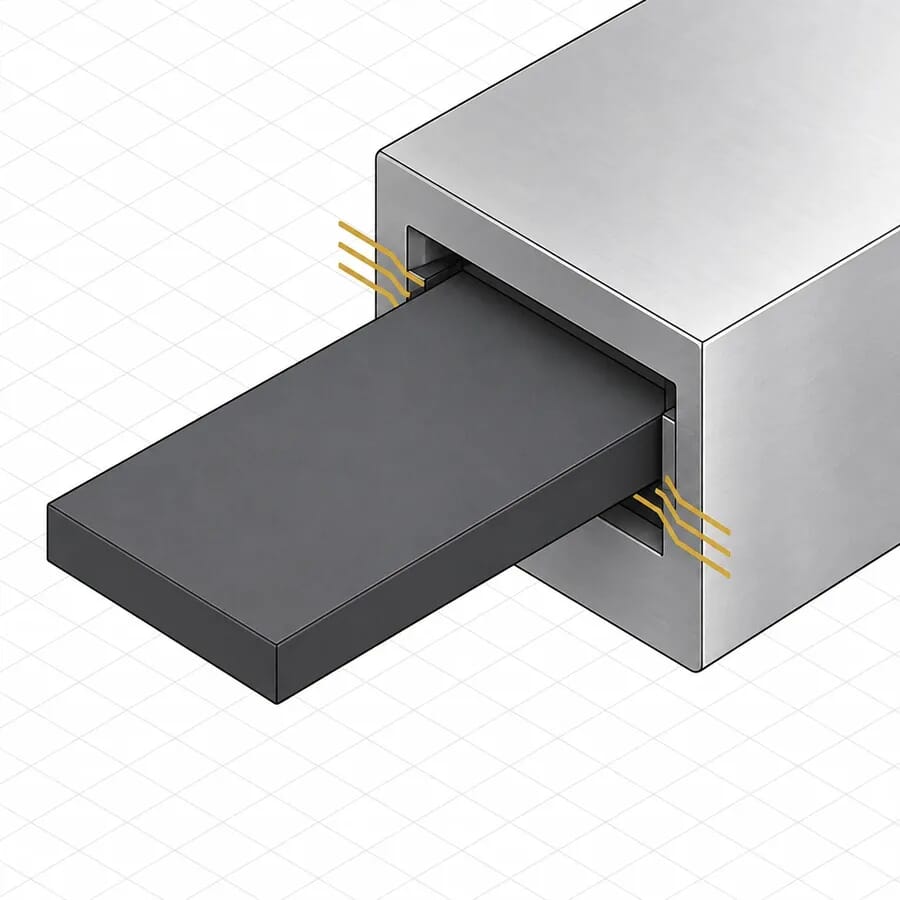
Dirt, residues, moisture or incorrect assembly may contribute. Do not force a start; inspect the stopped equipment following the manual.
Record how long the equipment remained stopped and the storage or process conditions preceding the jam. This background helps guide inspection without assuming that every starting difficulty is caused by the material of the installed vanes.
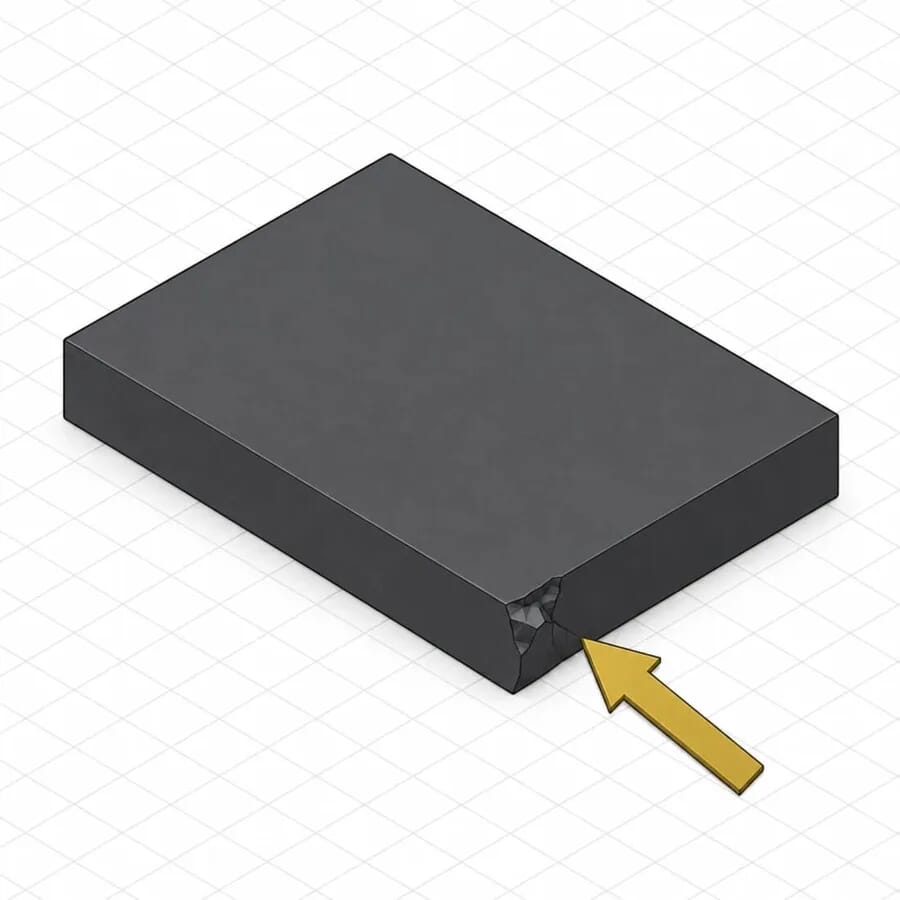
Impacts, incorrect assembly, internal collisions or an unsuitable grade may be responsible. Replace the damaged part and investigate the cause.
If chipping is found before installation, separate the part and inspect the packaging. If it appears after service, record hours and operating conditions; distinguishing these stages helps investigate handling, transport and operation as possible sources of damage.
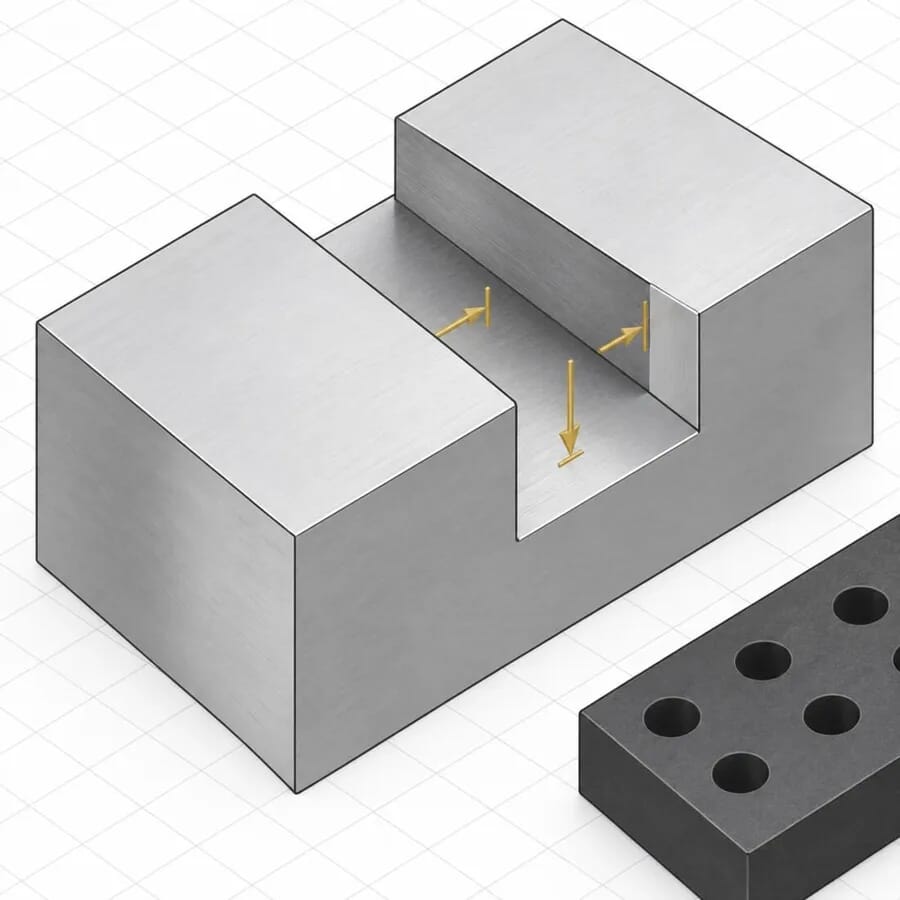
When slots or surfaces show wear, damage or abnormal clearances. Measure against the manufacturer's limits before fitting new parts.
Rotor inspection checks the vane housing rather than only the consumable replacement. If damage is present, keep measurements and photographs so the complete assembly can be assessed before ordering more parts with the same reference and dimensions.
Carbon graphite, epoxy fibre and operating conditions.
Select the material from the equipment specification, not just the part's size. This category covers carbon graphite, epoxy fibre, surface finish, tolerances and operating conditions. For a special vane, gather drawings, dimensions and process details so the proposed material and machining can be assessed before manufacturing.
Request custom vanes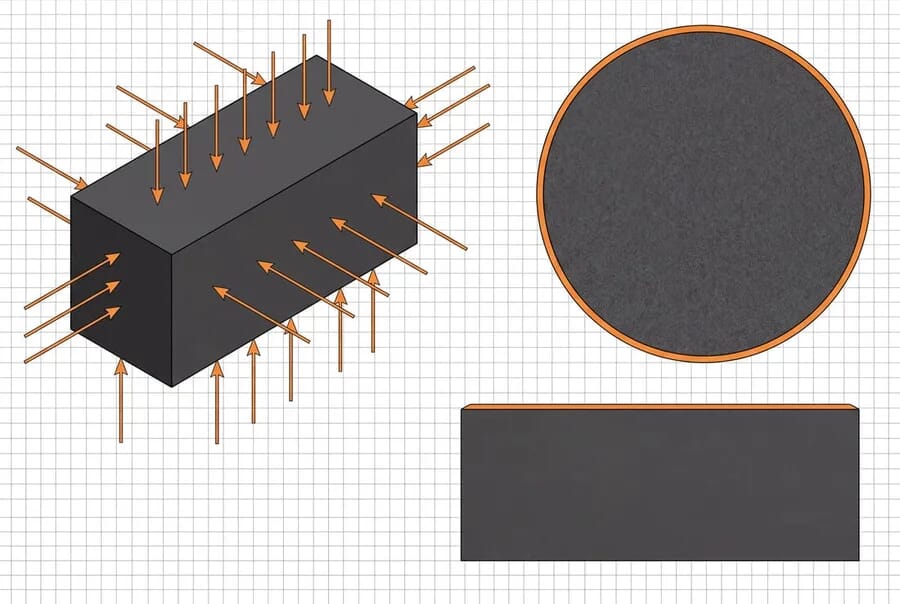
It is a material made by a compaction process that can promote uniform properties. Suitability depends on the particular formulation and machine requirements.
The graphite manufacturing method alone does not identify a vane suitable for your pump. Ask for the material grade and intended application, particularly when comparing visually similar parts from different catalogues or suppliers for the same maintenance task.
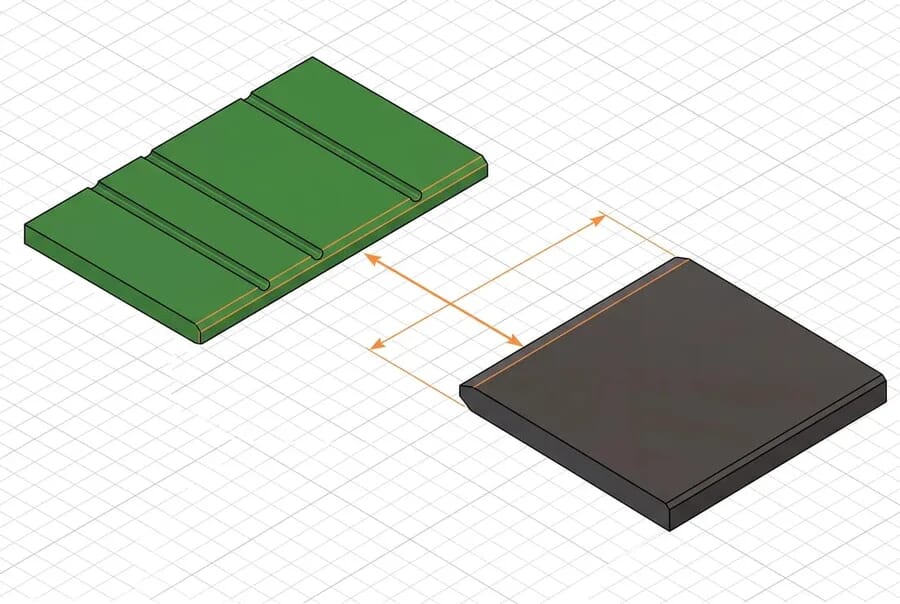
The choice depends on the equipment design, dry or lubricated operation, temperature, load and specified part. Matching dimensions alone do not justify swapping materials.
Before choosing graphite vanes or epoxy fibre vanes, identify the material specified for that part number. Document the pumped medium and operating duty too; changing material families requires a specific technical assessment, even when external dimensions appear identical.
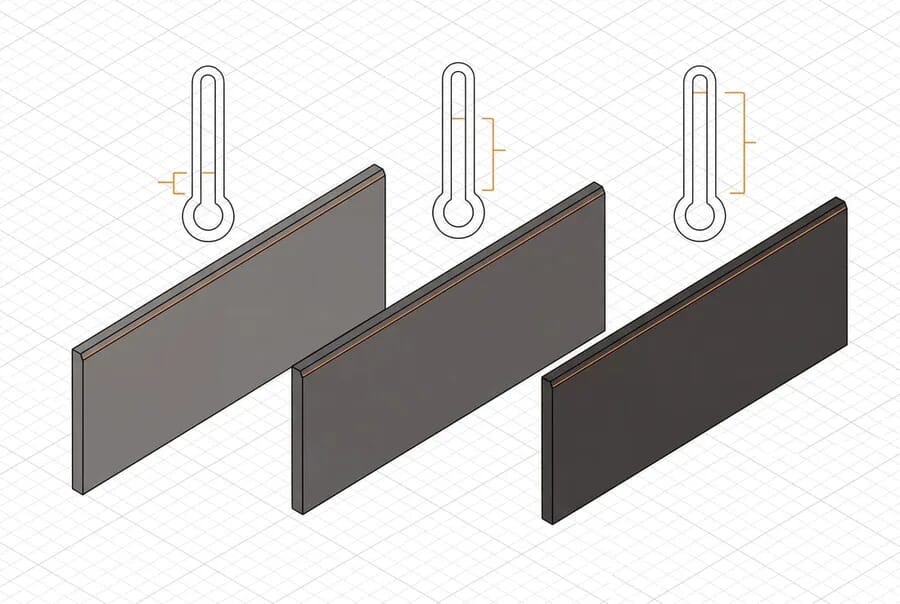
There is no single limit for all vanes. Each formulation and construction has an allowable range; the equipment manufacturer's temperature limits must also be respected.
Distinguish ambient, gas and component temperatures: these measurements are not interchangeable. Provide normal operating conditions and observed maximum values, without automatically treating a material's temperature limit as the permissible limit for the complete vacuum pump assembly.
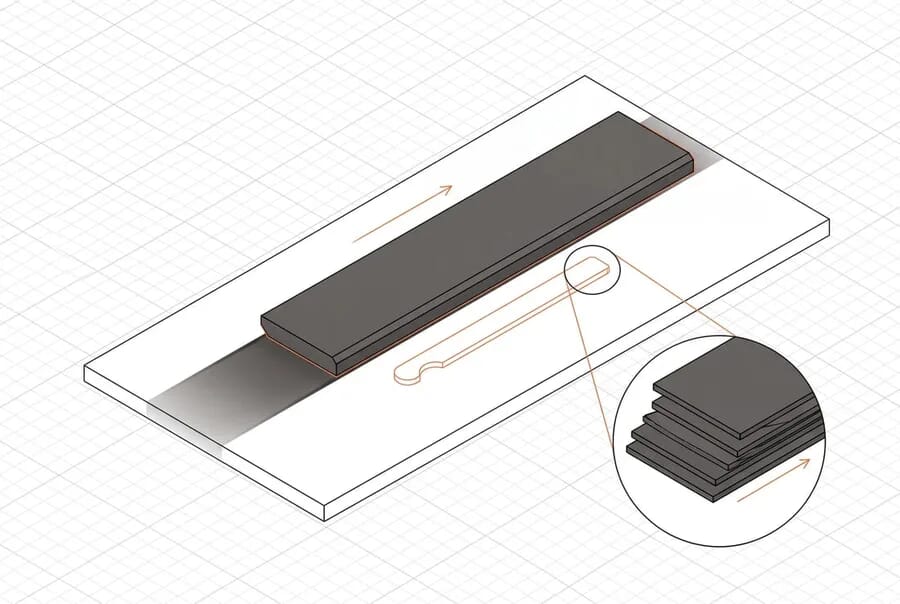
Some carbon materials work in chambers designed for dry operation. This does not mean wear-free operation or remove the need for maintenance.
In a dry-running pump, carbon graphite must be selected for that sliding-contact application. The term self-lubricating does not make a grade intended for electrical brushes or other uses a suitable replacement for a vacuum pump chamber.
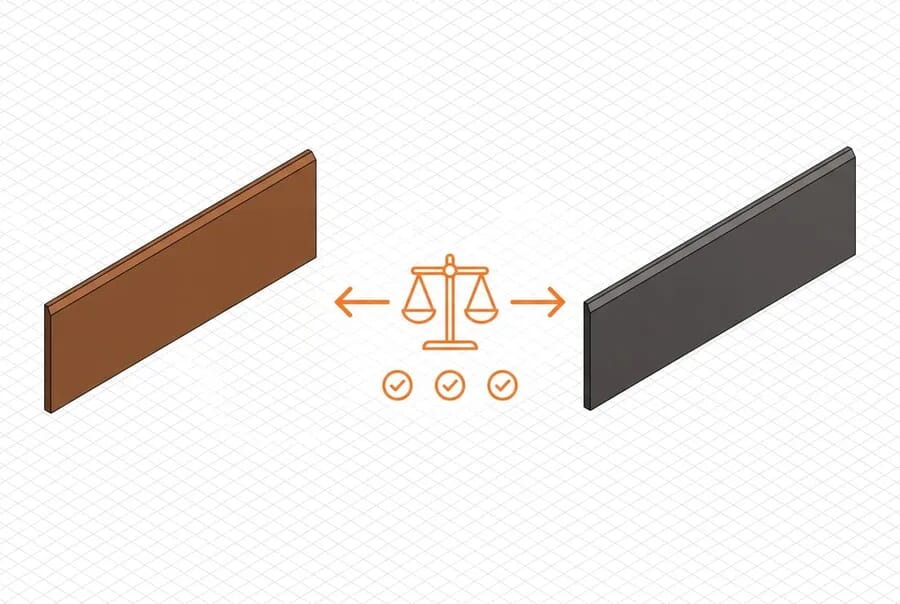
Only after checking chemical, dimensional and mechanical compatibility. A brown colour does not identify the composition or justify substitution.
An aged part may change appearance, so visual identification has limits. To replace phenolic laminate vanes, provide the original part number or a sample, together with information about the equipment's operation and lubrication requirements from the relevant documentation.
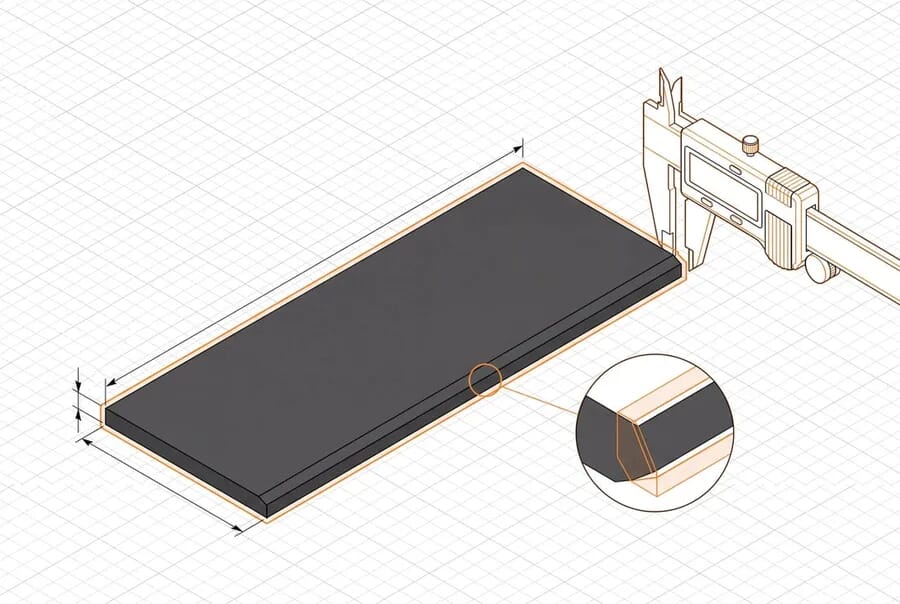
Tolerances depend on the drawing, part and application. For custom parts, agree critical dimensions, chamfers, functional surfaces and inspection criteria.
When requesting custom vanes, state every dimension in a clear unit and distinguish nominal dimensions from measurements of a worn part. Show grooves, radii and chamfers on the drawing to avoid interpretation during machining and quotation preparation.
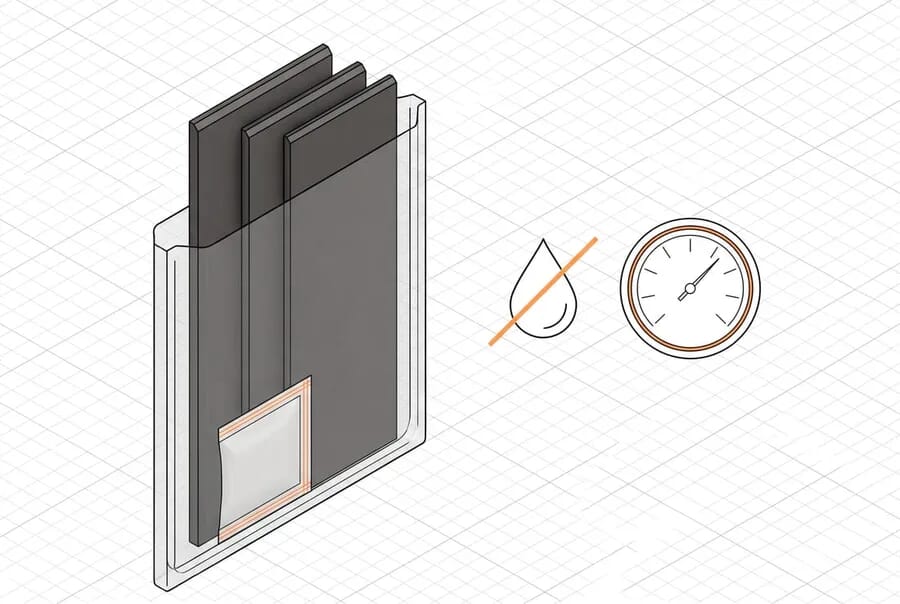
Storage and environmental exposure can matter, depending on the material. Keep parts dry, clean and protected according to the packaging instructions.
If a box arrives wet or has been stored in unsuitable conditions, document its condition before installation. Do not attempt to correct the part using heat or improvised treatments; consult the instructions applicable to that material and part number.
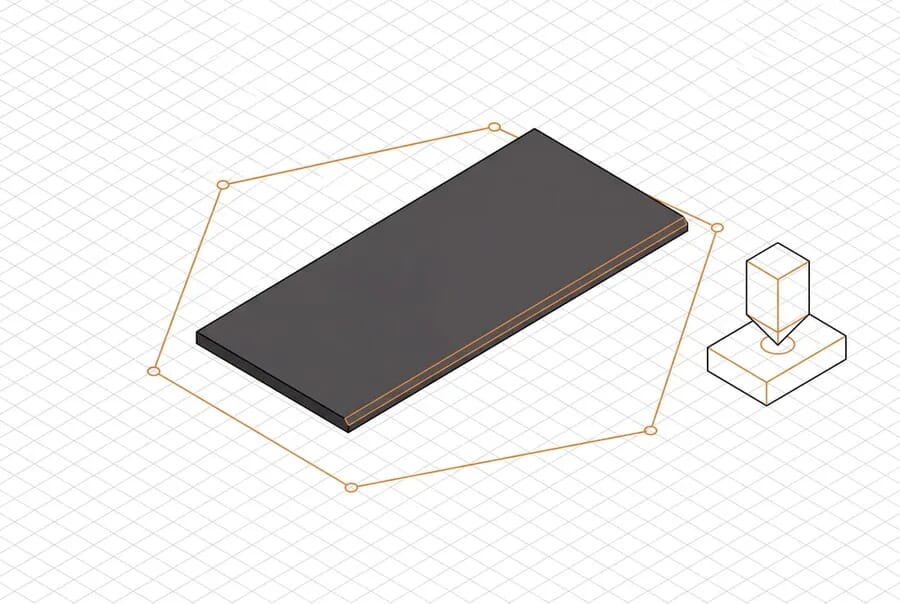
Hardness must be considered alongside the material's other properties and friction conditions. A change requires application validation and must not be decided in isolation.
A harder vane is not automatically a better vane for every pump. Consider chamber contact, strength and wear of the complete assembly when selecting the material, rather than improving one isolated property at the expense of other requirements.
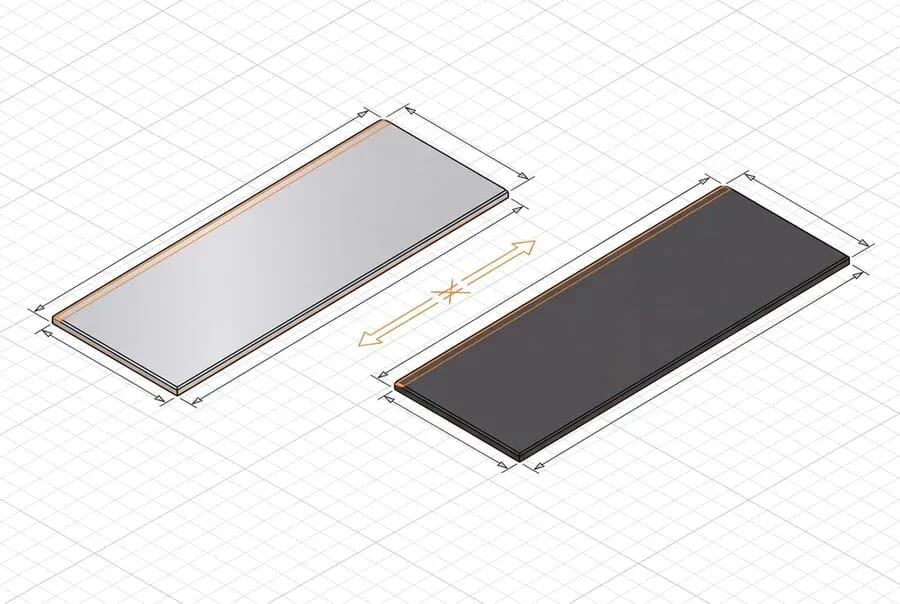
Vane composition must match the compressor or pump design. For special requirements, send the part number and drawing; never substitute metal for graphite without validation.
Before ordering a special part, clarify whether you want to reproduce an existing reference or modify the design. Being able to manufacture a geometry does not mean every proposed material will be suitable for the equipment receiving it.
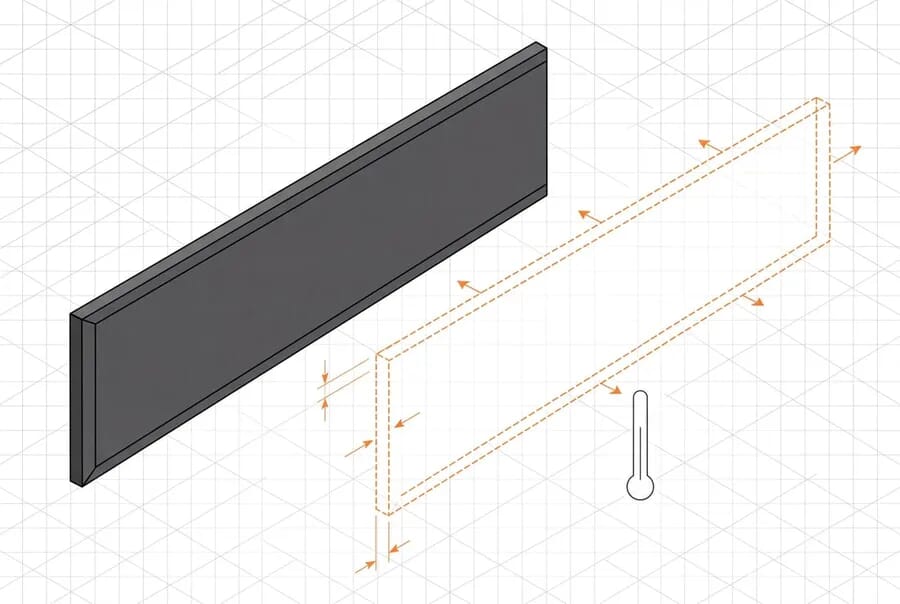
It is calculated from the design, thermal expansion coefficients and operating conditions. Always follow the manufacturer's tolerances and procedure.
Do not adjust a vane merely until it appears to fit when cold: that observation does not establish correct operating clearance. Keep the drawing dimensions and consult the machine-specific measurement procedure before deciding that any alteration is appropriate.
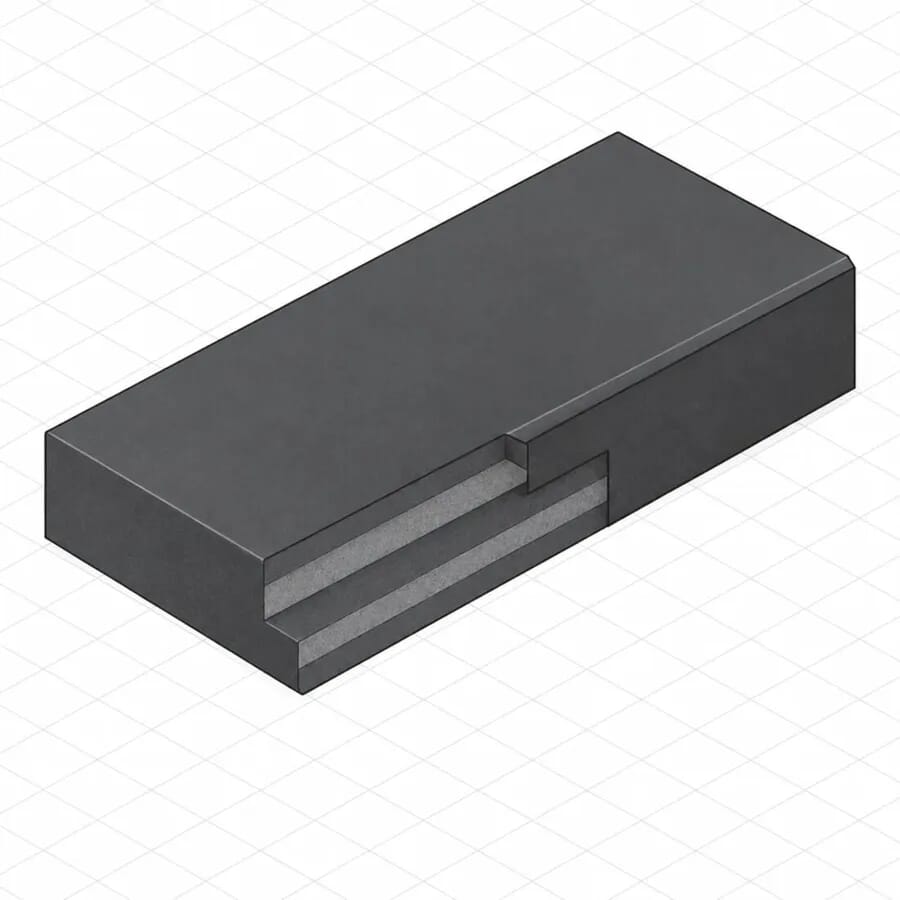
It is a carbon-based material used for vanes in dry-running chambers. Properties vary with formulation, so the grade must suit the machine.
Vacuum pump vanes require a formulation intended for the contact conditions of that application. A black appearance or a general graphite description is insufficient: consult the specification associated with the reference rather than relying on visual similarity.
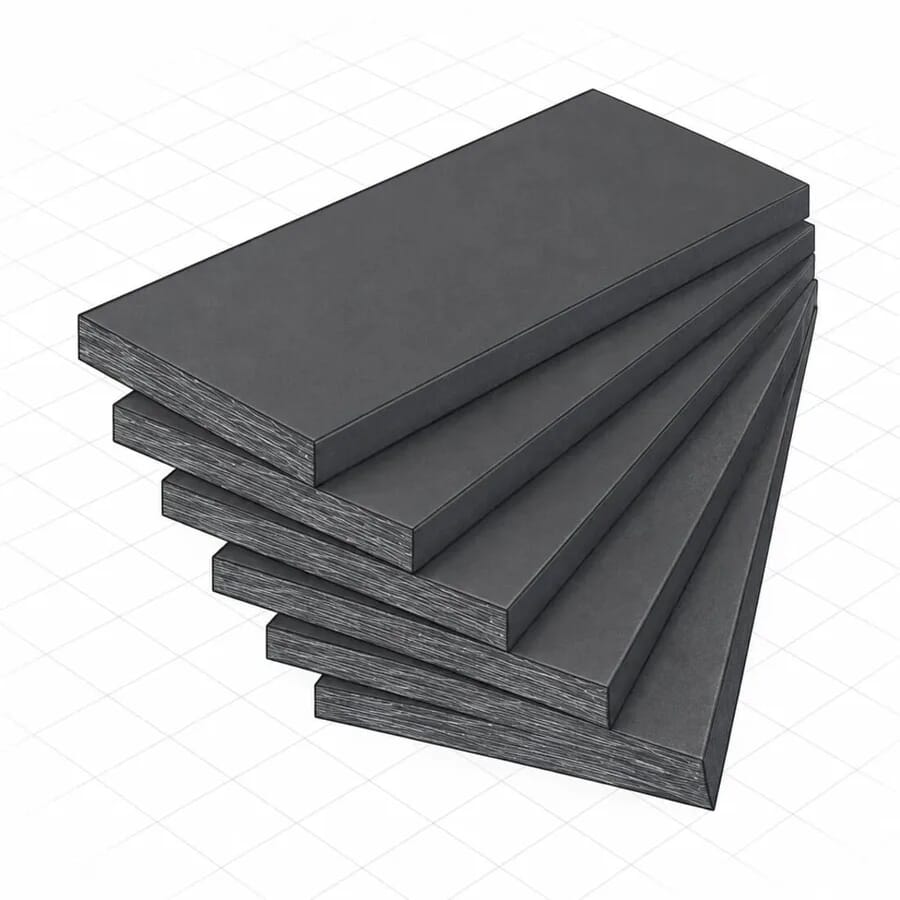
It is a fibre composite with an epoxy resin matrix. Behaviour depends on construction and application; it cannot replace graphite without validation.
When comparing epoxy fibre vanes, request the specified grade and construction as well as dimensions. A generic laminate name does not describe all its properties or establish that it can replace the part specified for your machine.
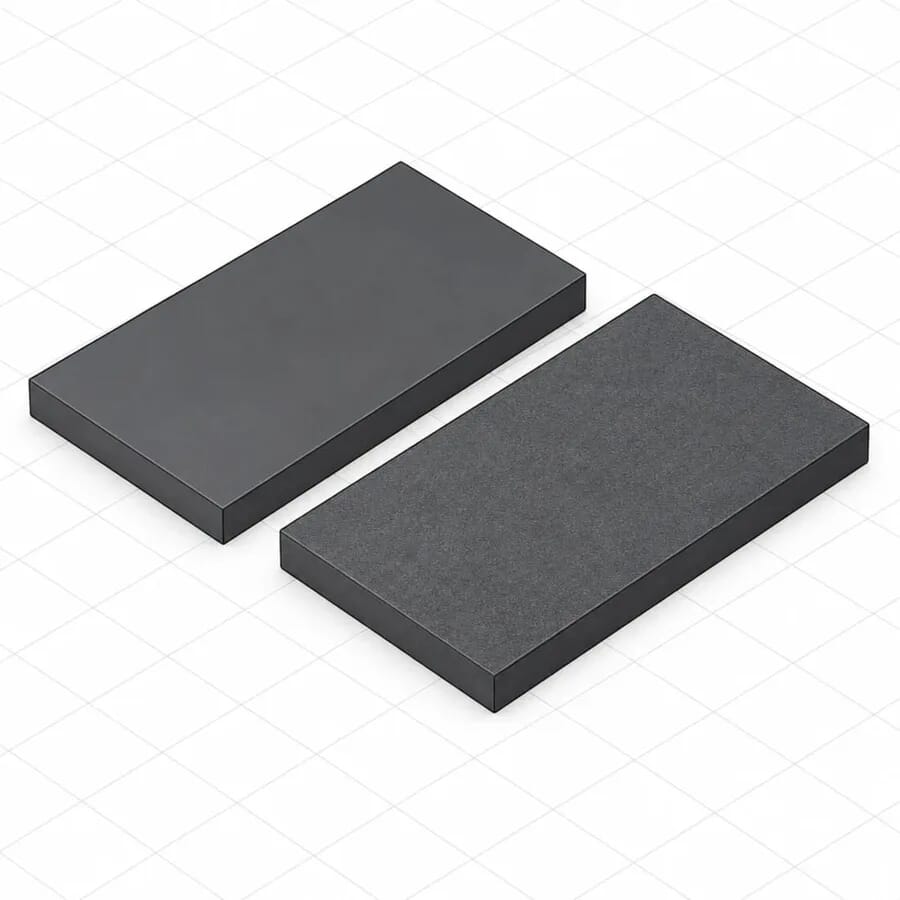
Commercial terminology varies between manufacturers and grades. Check composition and the reference's technical sheet instead of relying on the name alone.
Use the commercial name as a starting point rather than the only purchasing criterion. The material data sheet and vane reference allow a more precise comparison than broad expressions such as technical graphite or industrial carbon alone.
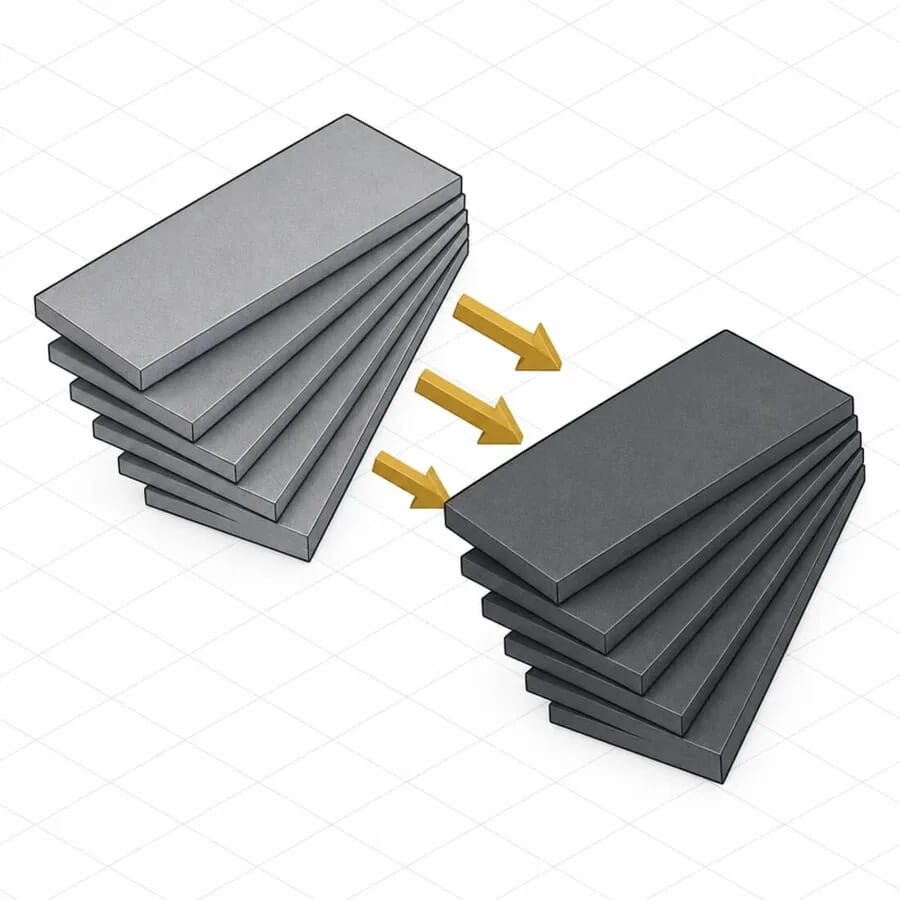
Density and internal structure affect mechanical strength and wear behaviour. Assess them together with the material's other properties.
A density value alone cannot predict the service life of an installed vane. When comparing data sheets, check that the figures describe the grade being offered and that its intended application matches the conditions of your vacuum pump.
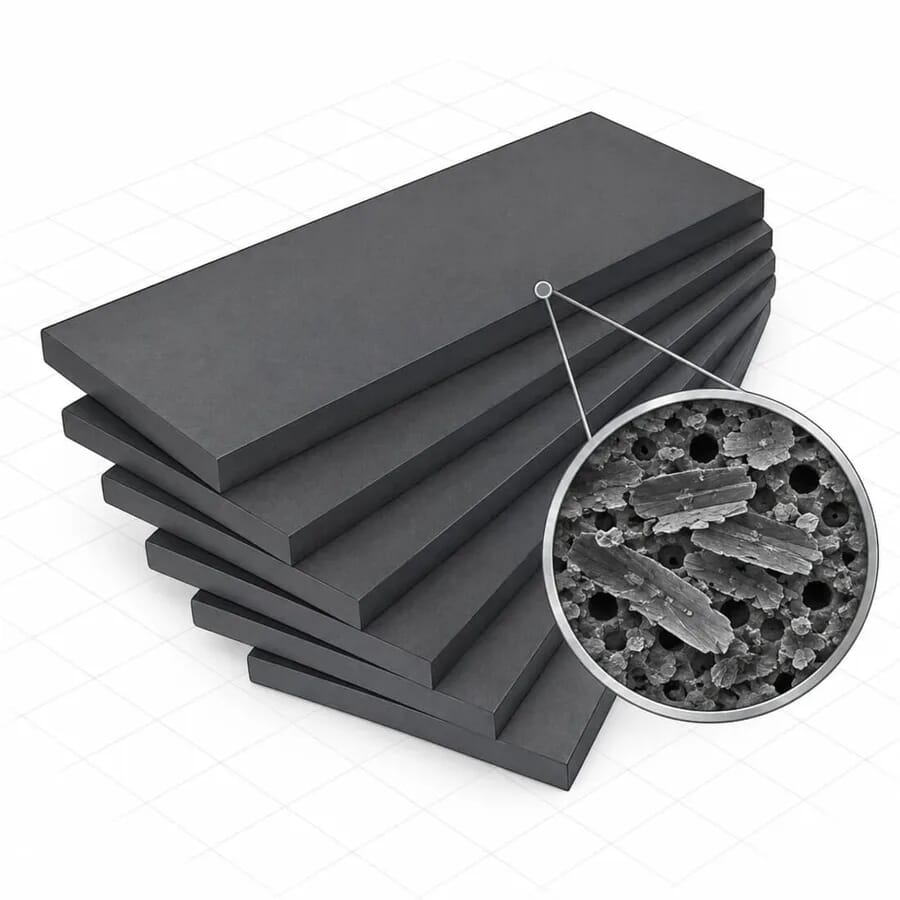
Porosity means microscopic voids within a material. Depending on grade and application, it can affect strength and interaction with the environment.
Do not infer porosity from a photograph or the feel of a surface. For a material enquiry, provide the available technical data sheet and the operating conditions that explain why you are selecting or considering changing the material.

Treated grades exist to modify certain properties. Suitability depends on the equipment and working fluid; ask before choosing a variant.
A treatment can change material behaviour, so an impregnated grade should not be considered equivalent by default. Identify the approved reference and ask before introducing a variant into a dry-running or lubricated vacuum pump application.
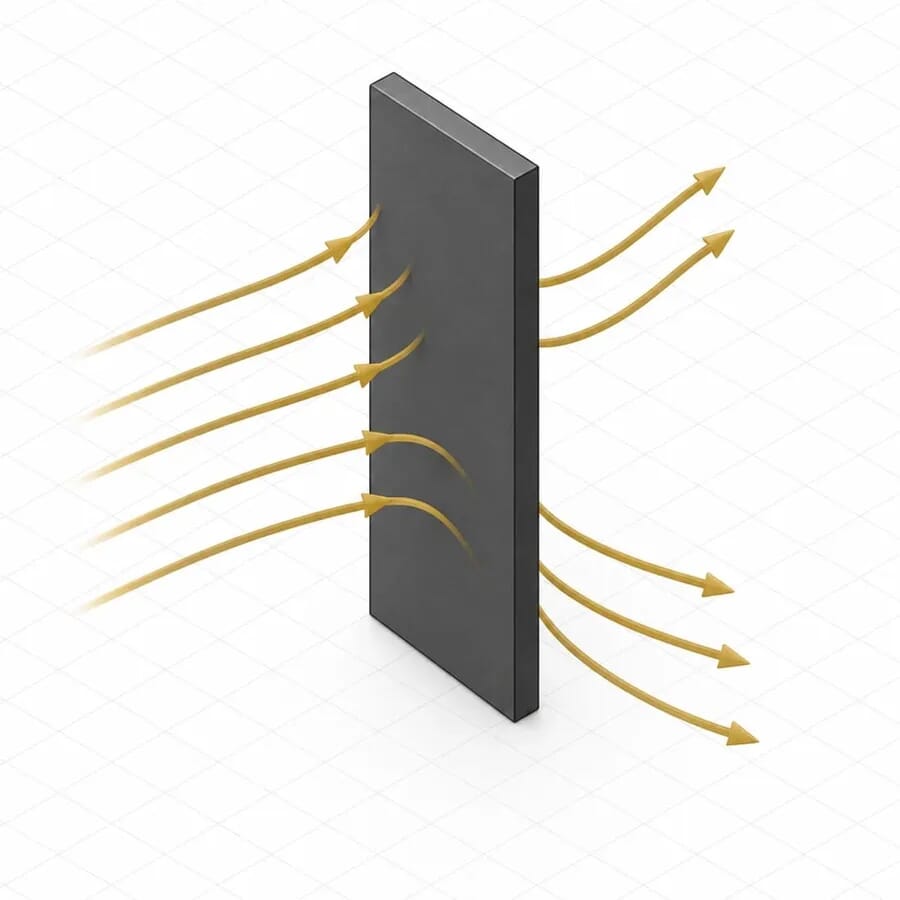
It depends on the material and substance. Provide the working fluid and conditions so compatibility can be assessed before a grade is recommended.
Provide the substance name, known composition and process conditions, not merely the industry name. Two applications both described as packaging may handle different substances; this information matters when assessing the suitability of a replacement vane material.
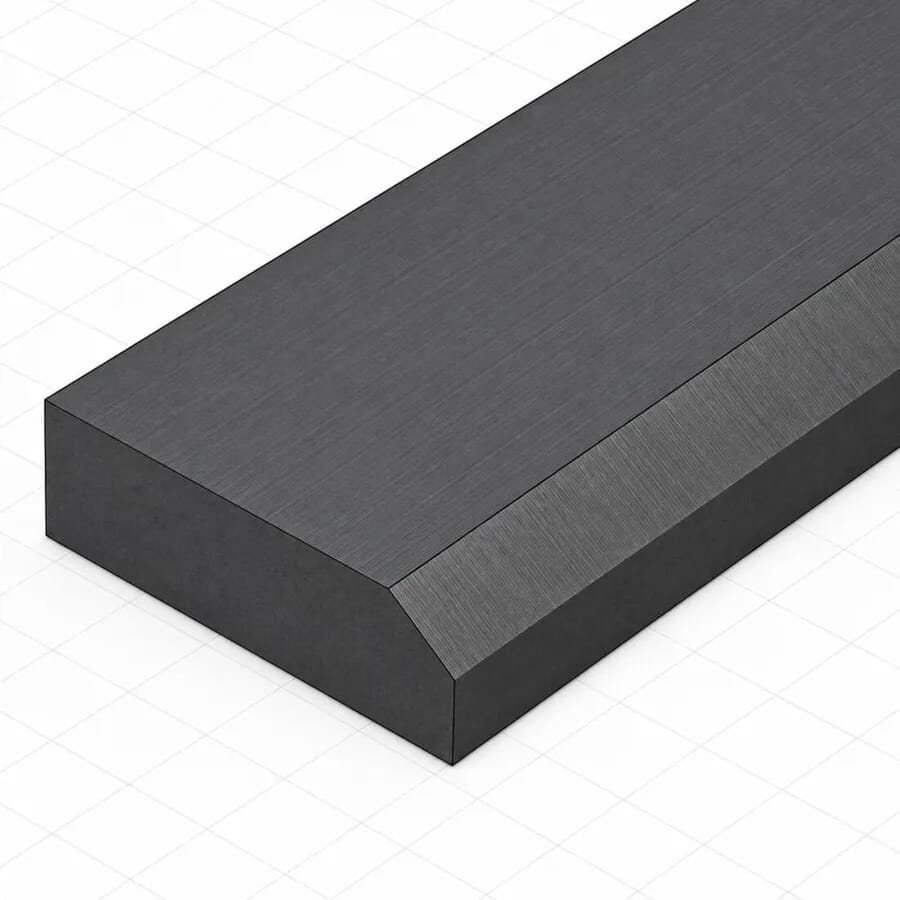
Yes. Functional surfaces and edges influence contact with the chamber. They are therefore specified on the drawing together with tolerances.
Milling, machining and polishing must meet the surfaces and dimensions defined for the part. A mirror-like appearance does not replace dimensional verification, although surface finish remains one of the agreed manufacturing requirements for the specified vane.
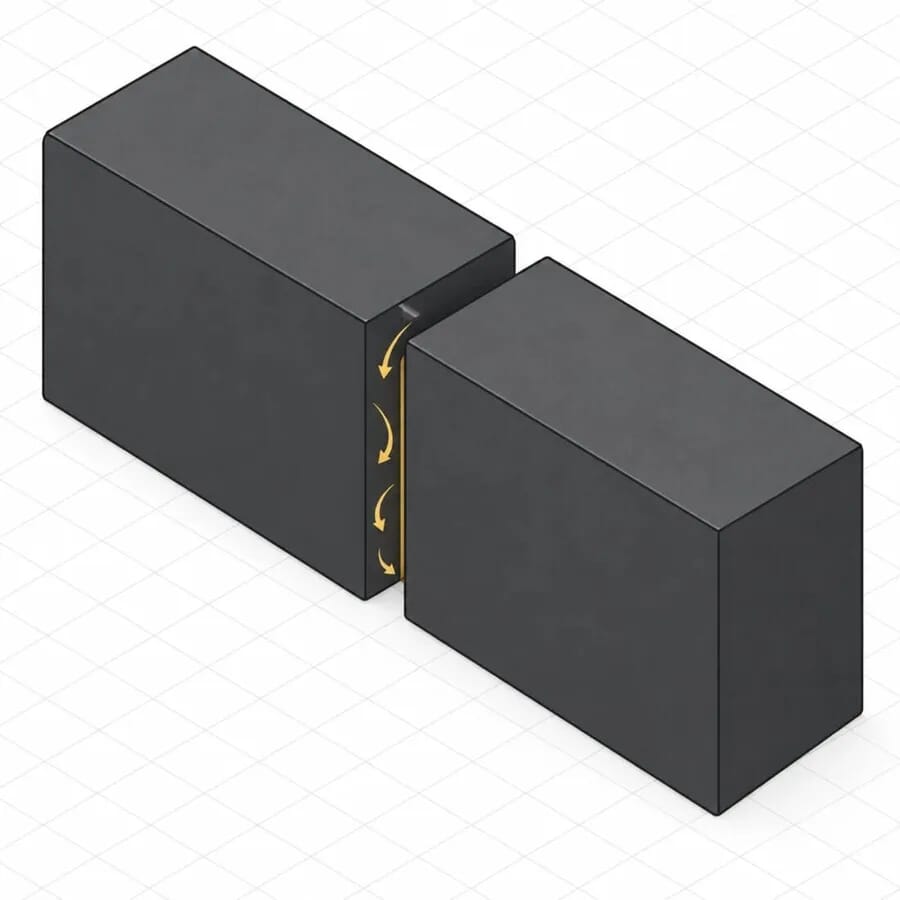
It affects wear, heat and equipment load. Assess it alongside the machine's load, speed and operating duty.
Explain whether you are trying to resolve wear, heat or abnormal power consumption before requesting an alternative material. Changing the vane without understanding its contact conditions may leave the original maintenance problem unresolved in the assembled machine.

This is not recommended unless the equipment manufacturer specifies it. Different materials can wear and behave differently.
Keep each set identified and avoid completing it with parts of unknown origin. When comparing replacements, confirm that every supplied unit shares the specification intended for the rotor and operating conditions of the equipment receiving the set.
Installation, cleaning, clearances and maintenance.
A correctly identified purchase needs installation and maintenance appropriate to the model. Learn how to prepare the intervention, record wear, store replacements and check associated components. The manufacturer's specific instructions and qualified personnel remain the reference for work on the machine itself.
Browse vanes and spare parts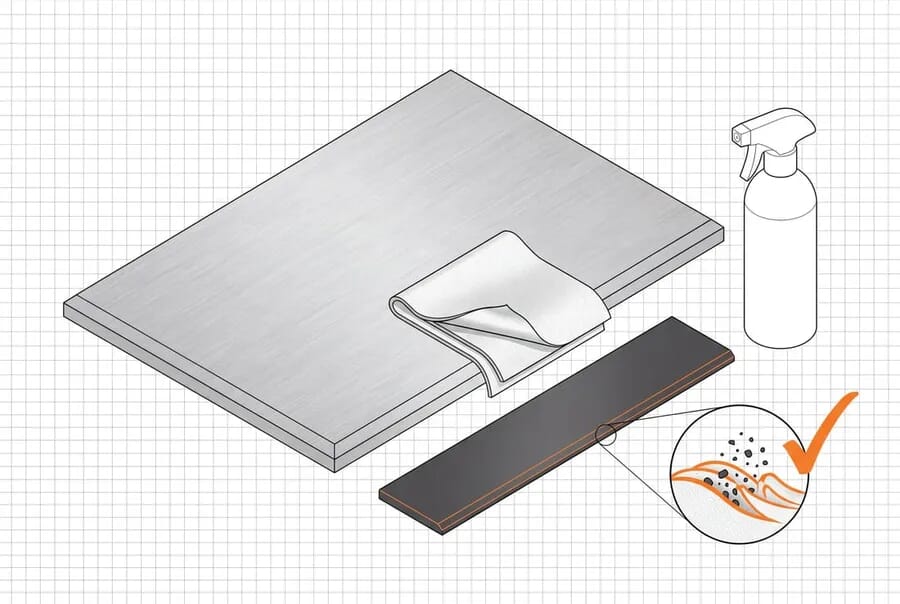
Use the products and procedures approved by the manufacturer. Keep particles, moisture and residues out of the chamber and inspect it before closing.
Cleaning should enable surface inspection without residue concealing damage. Also check the assembly area and temporary storage conditions for removed and replacement parts, so contamination is not reintroduced during the vacuum pump maintenance and closing procedure.
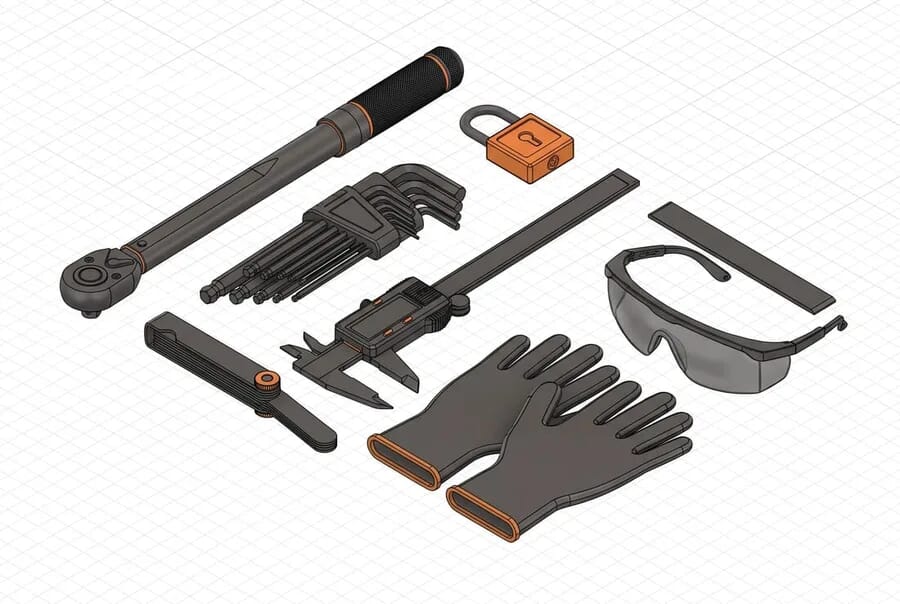
Consult the model manual for suitable disassembly, measuring and inspection tools. Isolate all energy sources beforehand.
Prepare the correct manual, suitable measuring instruments and planned replacements before beginning work. Having a vane set does not mean you have every component required to dismantle, inspect and correctly reassemble that particular pump or compressor model.
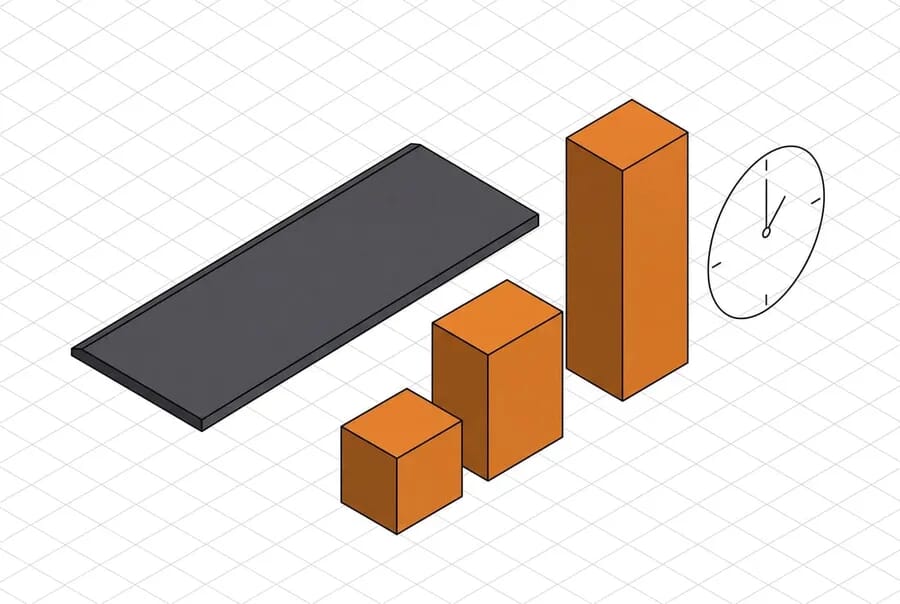
Some machines require a specific start-up procedure. Follow the manufacturer's sequence rather than applying generic instructions to different models.
Record the initial checks required by the manufacturer and retain the results in the maintenance history. Commissioning provides a baseline for later monitoring, without attributing performance improvements to the vanes when those improvements have not actually been measured.
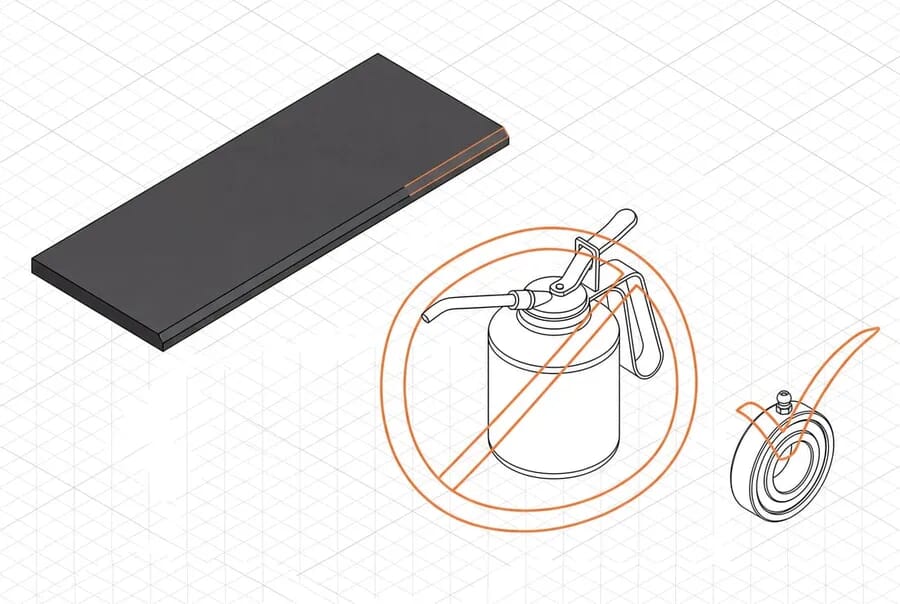
Do not add oil on your own initiative to a chamber designed for dry operation. Distinguish the pumping chamber from points requiring lubrication under the manual.
Do not confuse a dry vacuum pump with an oil-lubricated pump. Before choosing maintenance products, identify the chamber and the points specified by the manufacturer; advice for a different series may not apply to the equipment being serviced.
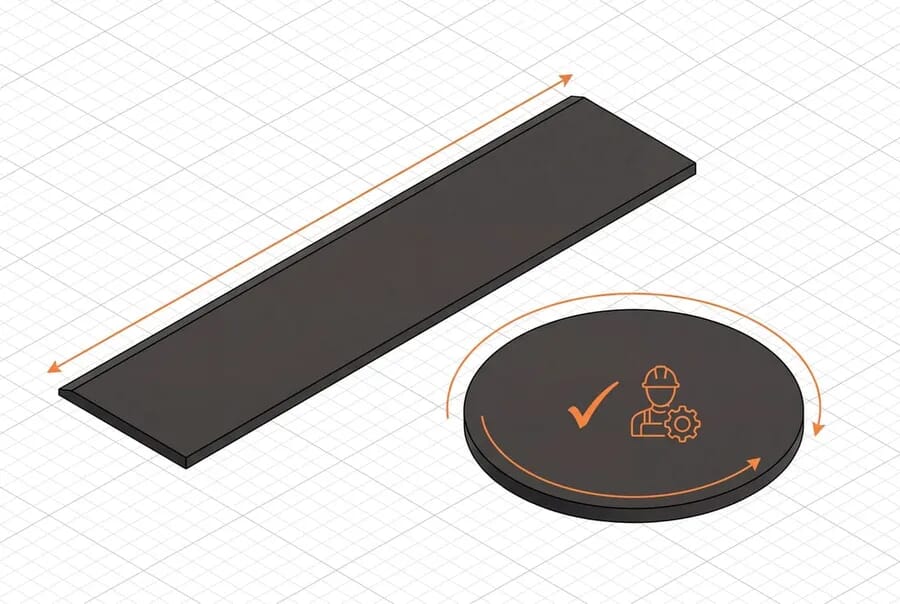
Follow the manual with the equipment in a safe condition. This check must be performed by qualified personnel.
Check the rotation marking and verification procedure for the exact model, especially after electrical work. Similar external appearances between motors or pumps do not justify transferring startup instructions without first checking the documentation relevant to that equipment.
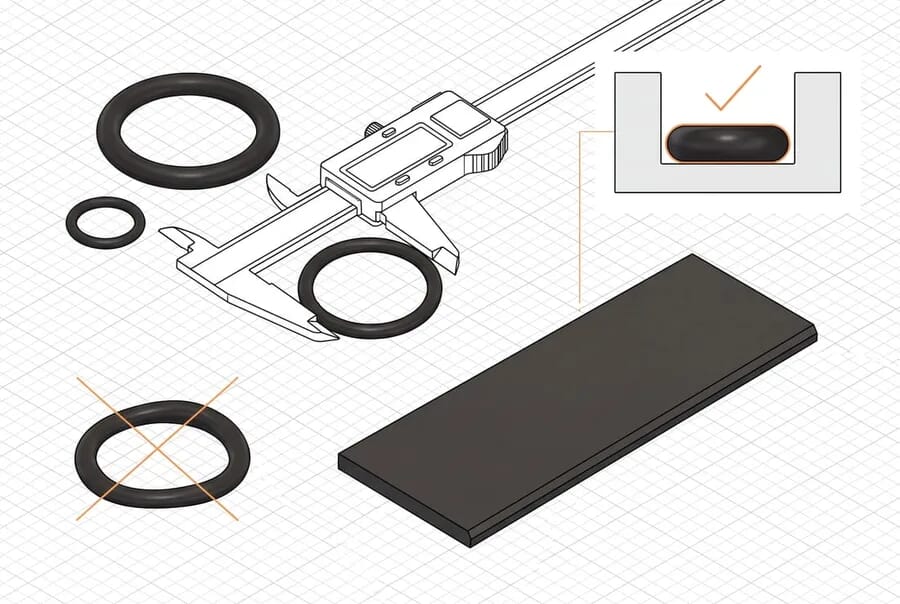
Inspect sealing components and follow the kit or manufacturer's instructions. Always use the correct dimensions and materials.
For planned maintenance, check which seals the disassembly procedure requires and whether the kit includes them. Ordering them with the vanes can help organise the work, provided all part numbers and materials have been checked for the model.
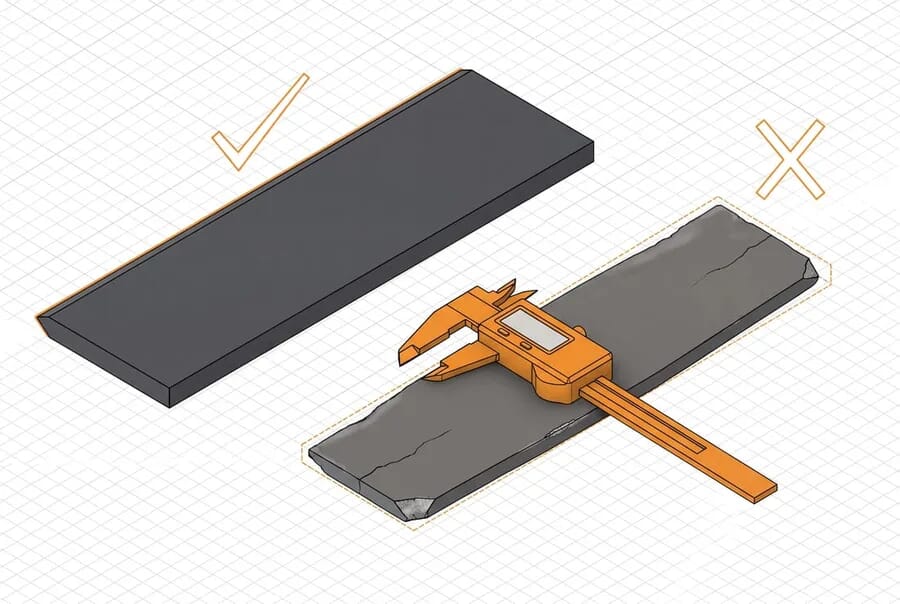
Compare its actual dimensions and condition with the model's wear limit. Also check for cracks, breakage and uneven wear.
Replacement should not depend solely on whether the pump still runs. Retain measurements from each inspection and compare them with the model's wear limit; this supports an informed purchase of the next set before wear becomes unacceptable.
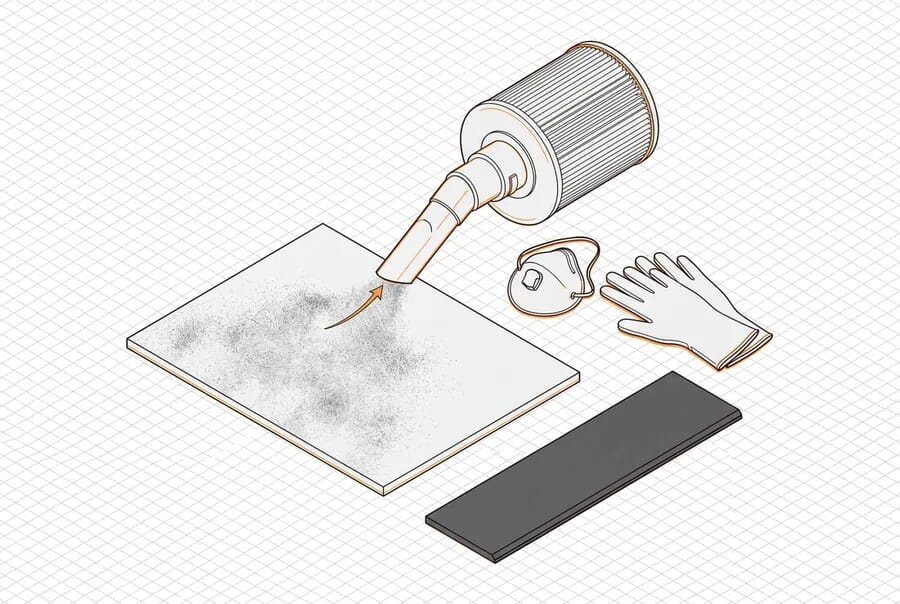
Use the method and protective equipment specified in the manual, avoiding dust dispersal. Do not use cleaning techniques that may damage surfaces or components.
Handle residues without contaminating new vanes or the assembly area. If the pump handled process substances, inform the maintenance manager: the residue may contain more than graphite and may need a specific assessment before cleaning or disposal.
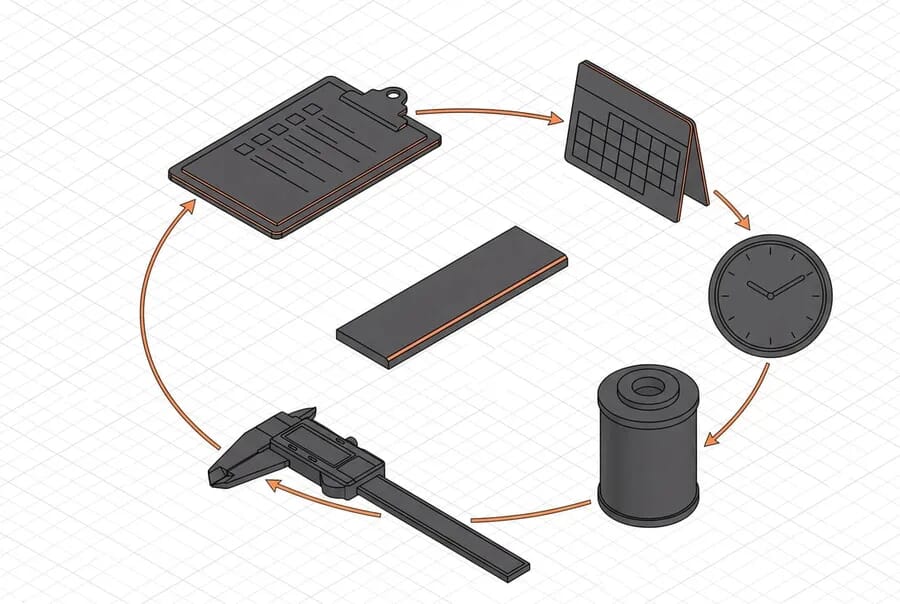
Record operating hours, inspections, filter changes and measurements. Adapt inspection intervals to the application and manufacturer's recommendations.
Create an equipment record with model, serial number, vane reference and last service date. Individual histories prevent confusion between replacements for similar machines and help organise purchasing around the planned maintenance needs of each vacuum pump.
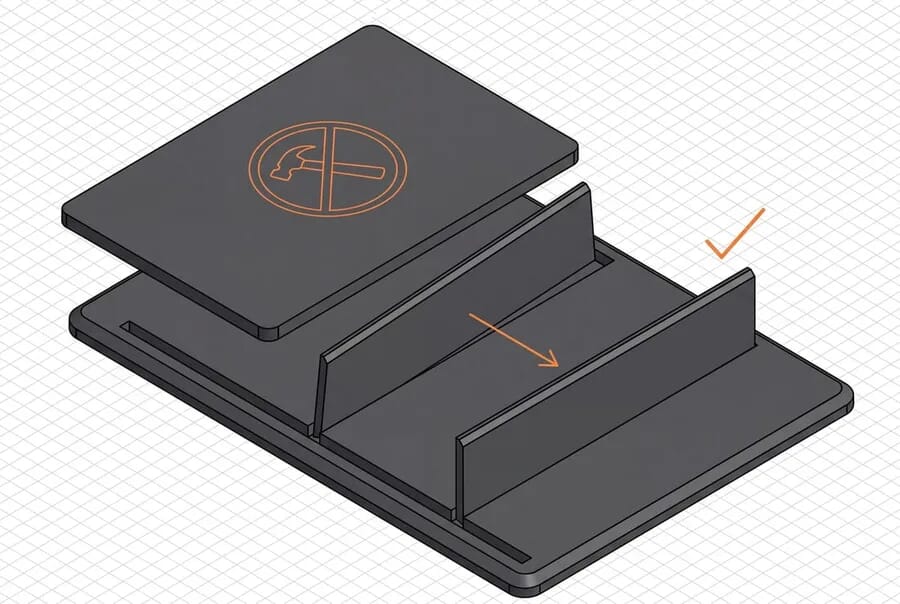
Do not force it. With the equipment stopped, check assembly, part number, cleanliness and component positions. If the problem persists, request an inspection.
Resistance when closing is a reason to stop and check, not to apply more force. Document the installed reference and any dimensional difference from specification before requesting assistance or buying another replacement for the same equipment.
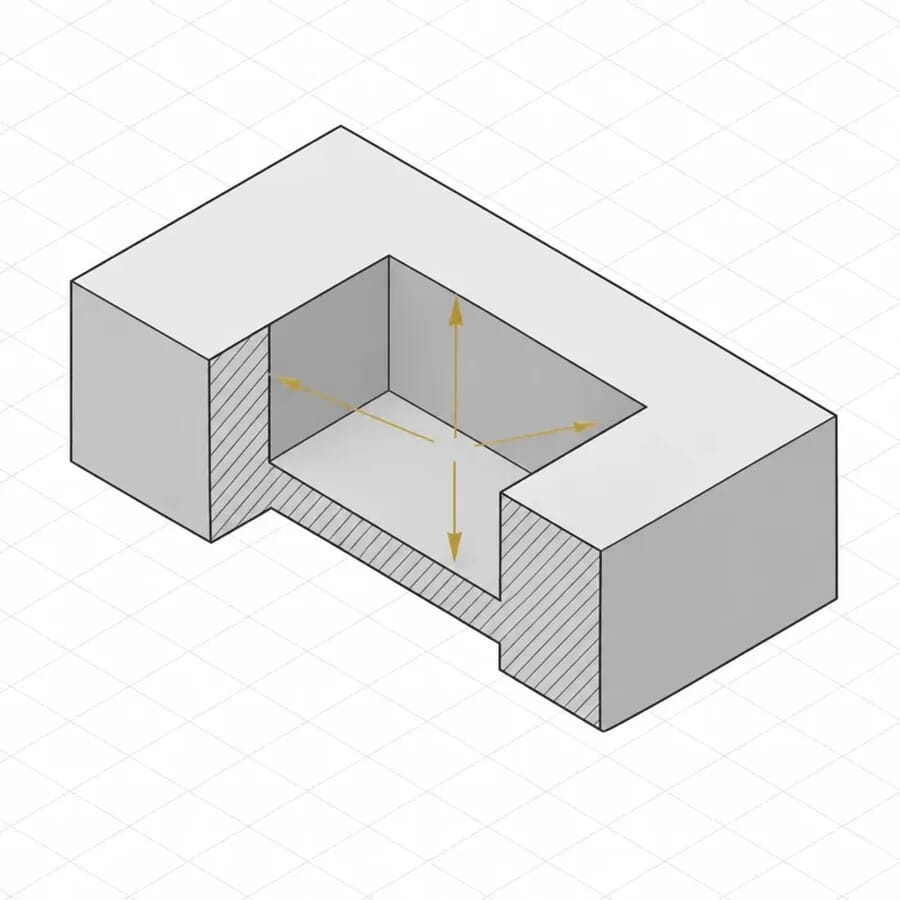
Check cleanliness, wear and visible damage. Compare dimensions with the manufacturer's specifications before installing vanes.
Identify and record each damaged area separately so its location is not lost during disassembly. Do not remove slot material as an improvised adjustment; modifying the rotor can alter the conditions for which the vane was originally selected.
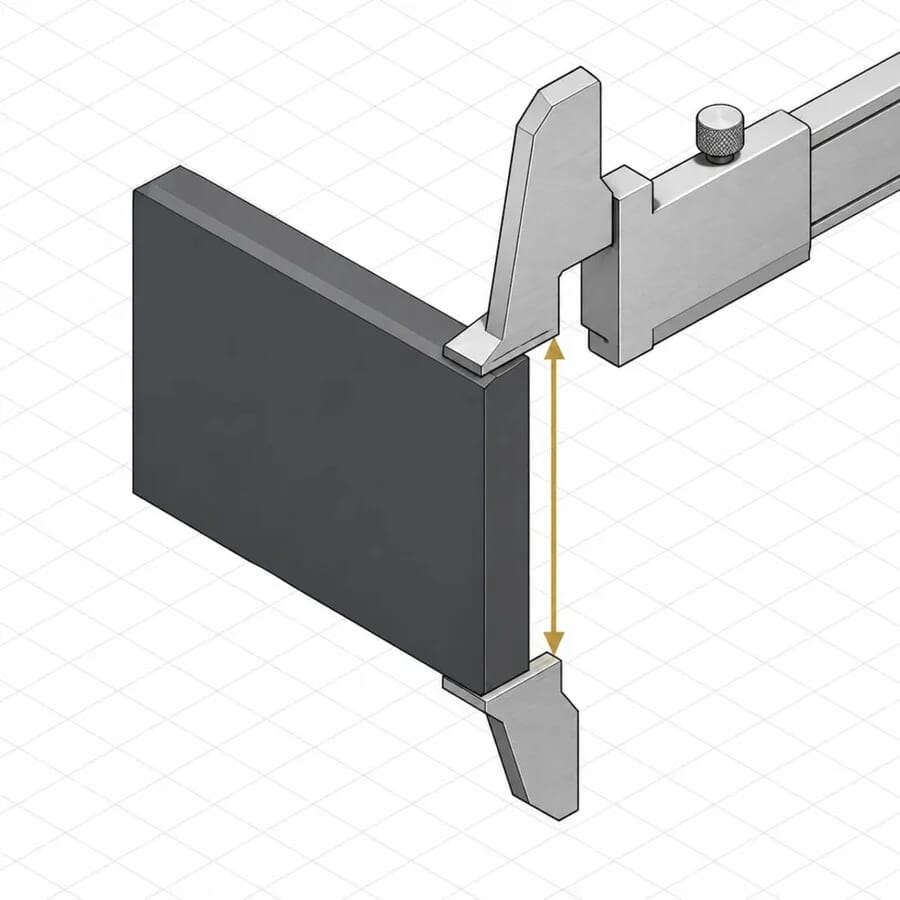
Use appropriate measuring instruments and compare with reference dimensions or the model's wear limit. Record the results in the maintenance log.
Measure length, height and thickness without confusing the dimension order used by different suppliers. Add a sketch showing each measurement and state whether the values describe a new vane, a used vane or a nominal engineering drawing.
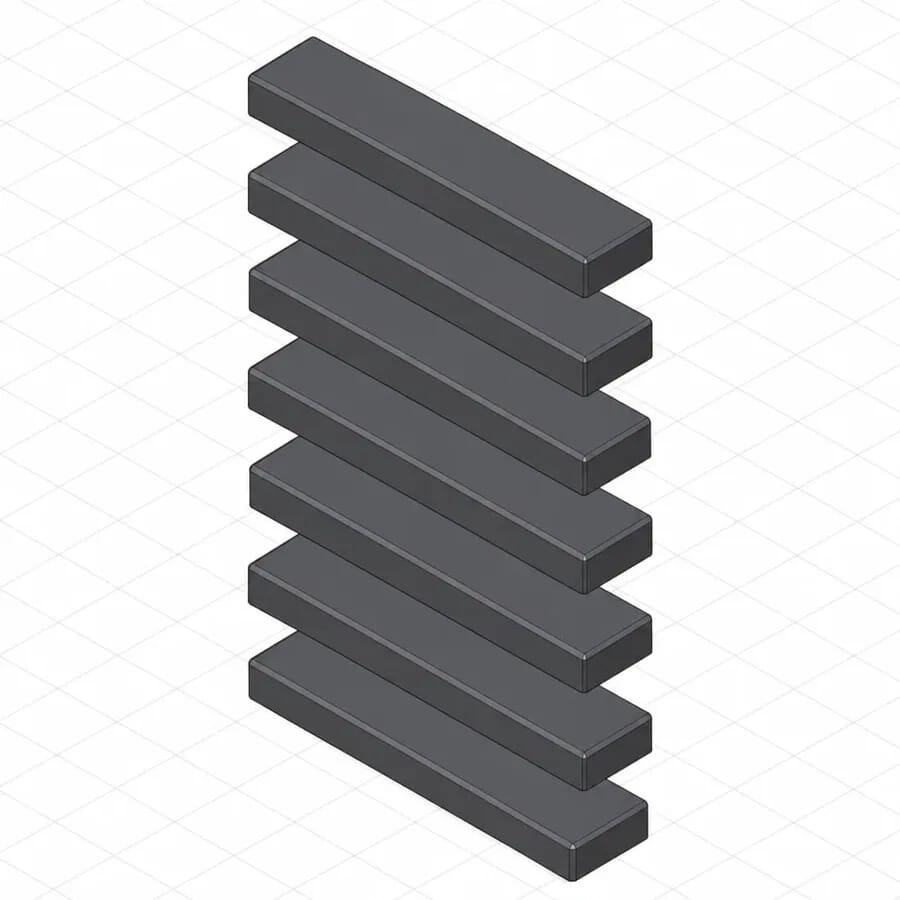
Keep them dry, clean, protected from impacts and in their original packaging until installation. Do not stack weight on them.
Label replacements with model, reference and receipt date to prevent mixing them in storage. Keeping each set separate helps locate the correct vanes during a shutdown and preserves the traceability information supplied with the original order.
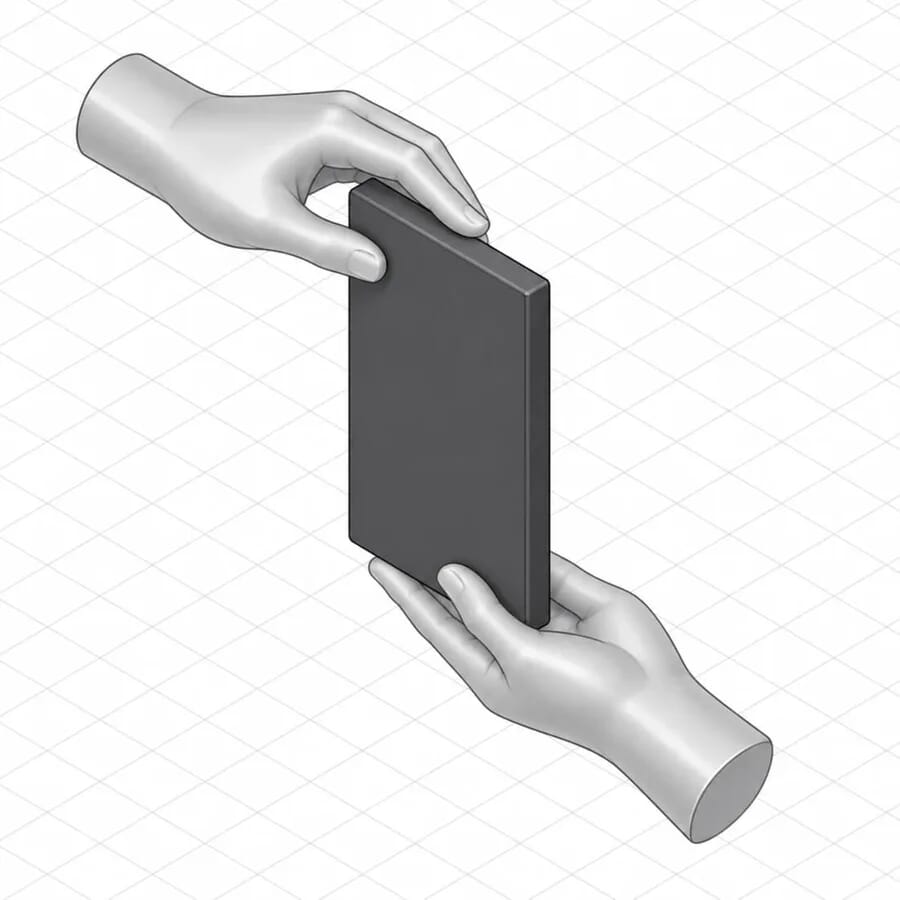
Handle carefully without dropping them or striking them with tools. Edges and chamfers are sensitive functional areas.
Prepare a clean, stable surface for the parts and avoid contact with loose replacements or tools. Inspect edges before installation: handling damage should not later be mistaken for wear caused by normal operation of the pump.
Follow your company's and the manufacturer's safety instructions. Use suitable protection and avoid dispersing dust.
Consult the safety documentation for both the material and the process handled by the pump. Protection and cleaning depend on the workplace assessment; generic advice does not replace the measures established by the responsible safety personnel.
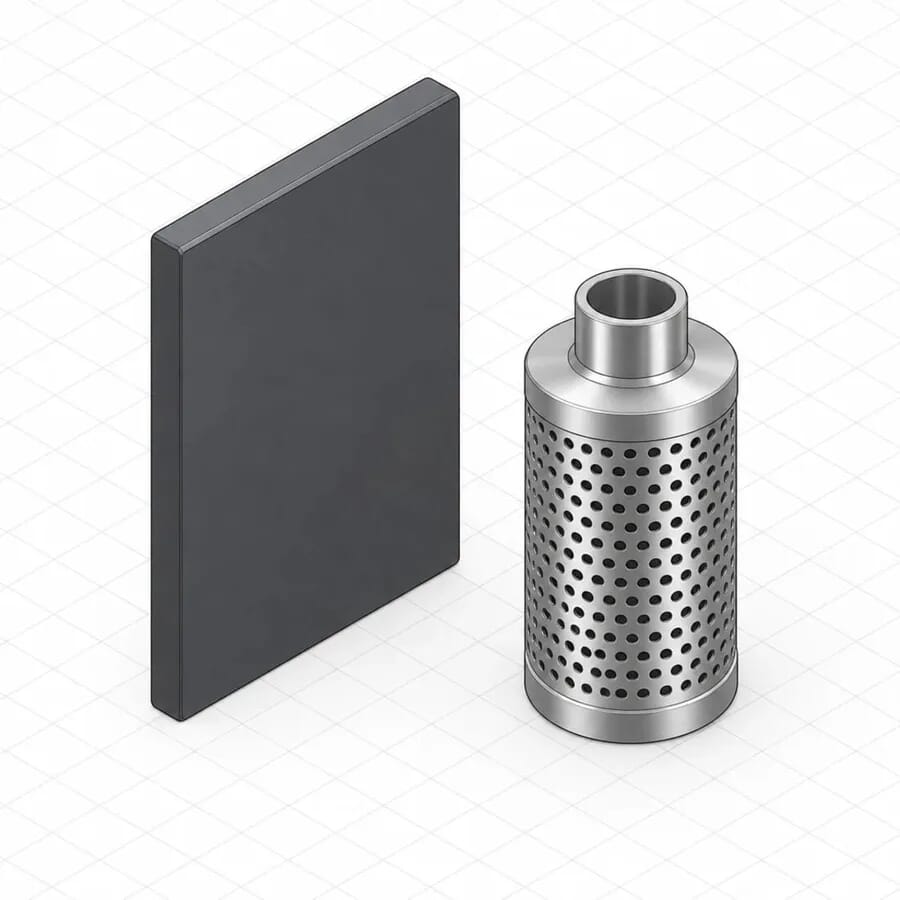
It is a good opportunity to inspect them. Follow the manufacturer's maintenance schedule and replace dirty or worn filters.
Check each filter's reference and function for the specific model. Vane replacement may coincide with other maintenance tasks, but not every kit includes filtration; review each product description before completing your replacement parts purchase for the job.
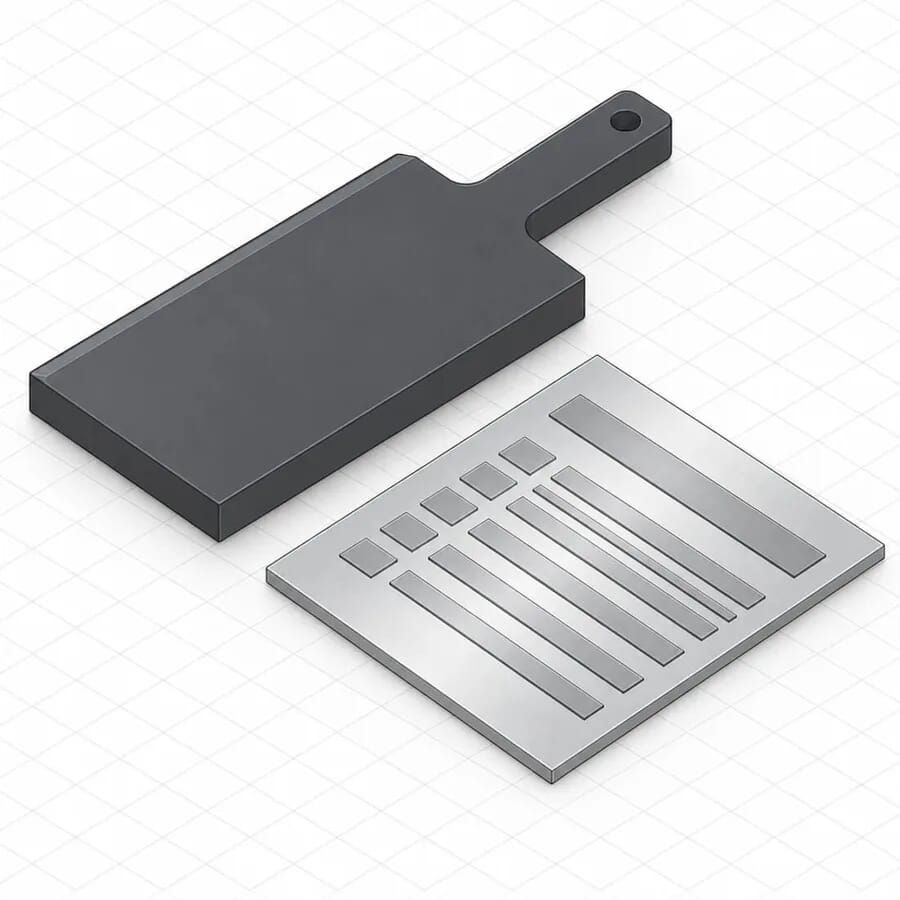
Record installation date, equipment hours, part number and batch. This history helps plan replacements and investigate problems.
Add wear measurements and observed incidents to the record, keeping one history per pump. With several similar machines, this separation helps purchase the correct reference and interpret service-life differences between individual maintenance cycles and operating conditions.
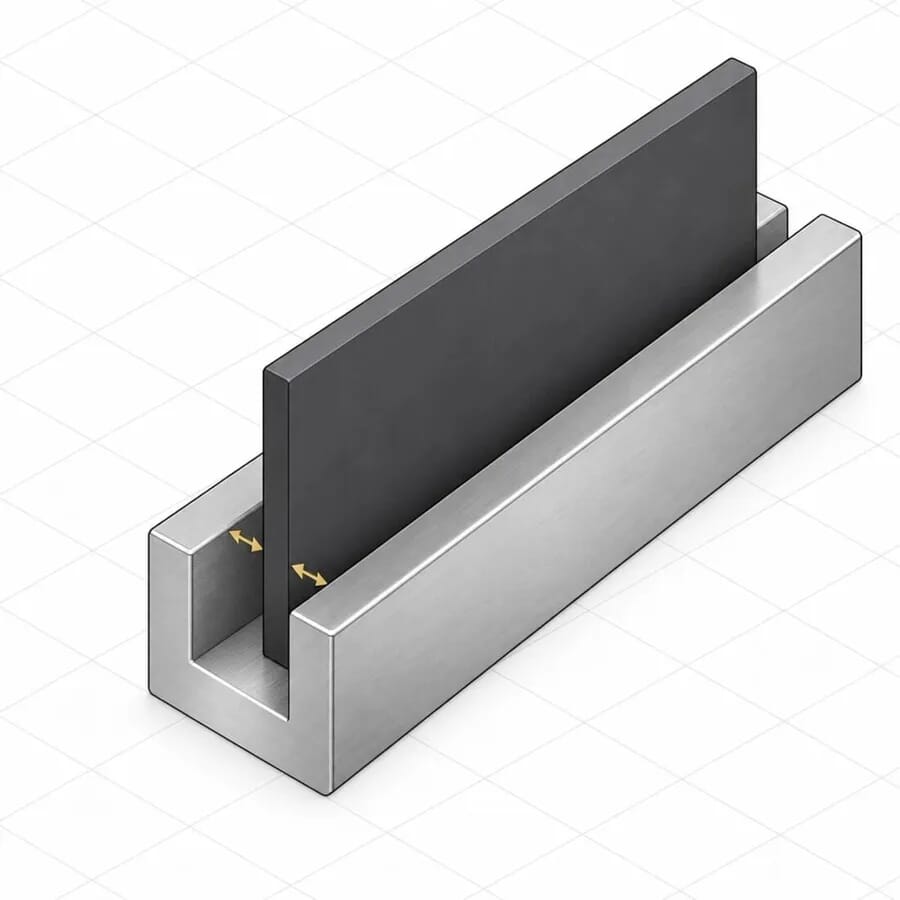
Measure using the manufacturer's procedure and values. Qualified personnel with appropriate tools must perform this operation.
Distinguish rotor clearance from vane dimensions and avoid using one value to assess the entire assembly. If reference limits are unavailable, request the technical documentation before deciding which part needs replacement or whether any adjustment is justified.
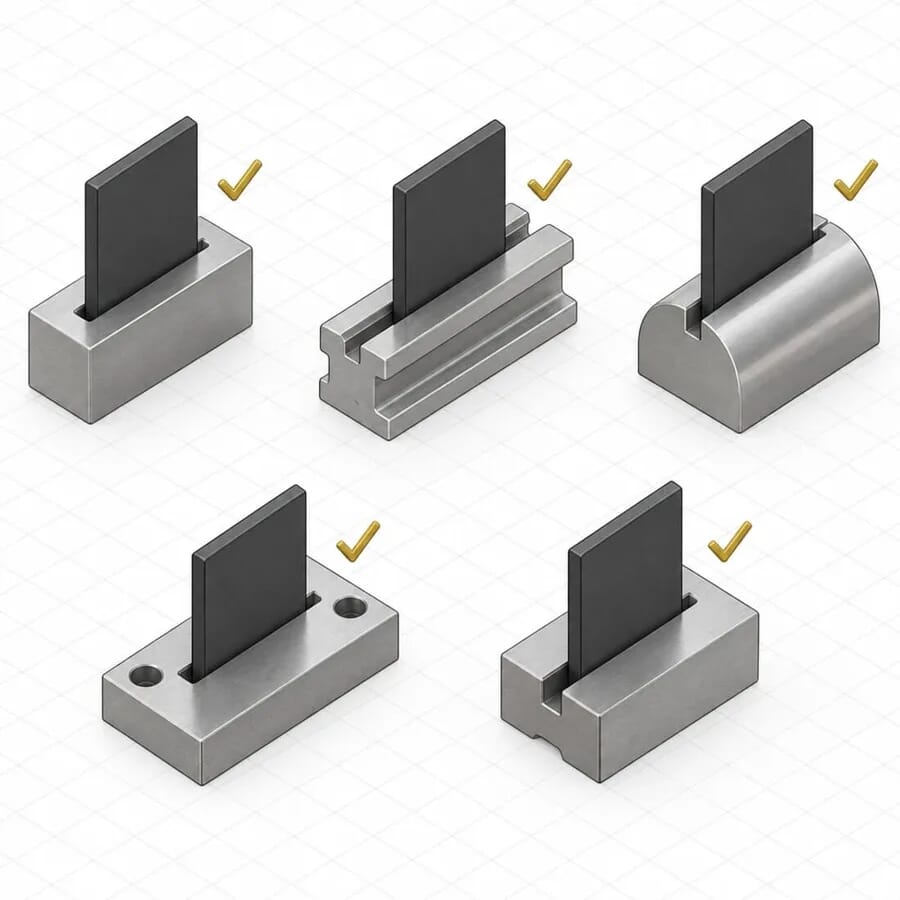
Check part orientation, cleanliness, closure, connections and rotation direction according to the manual. Start only after all checks are complete.
Complete the replacement's documentary checks as well as mechanical checks: reference, quantity and material. Retain installation and commissioning records so any later incident can be related to the conditions of the maintenance intervention and parts fitted.
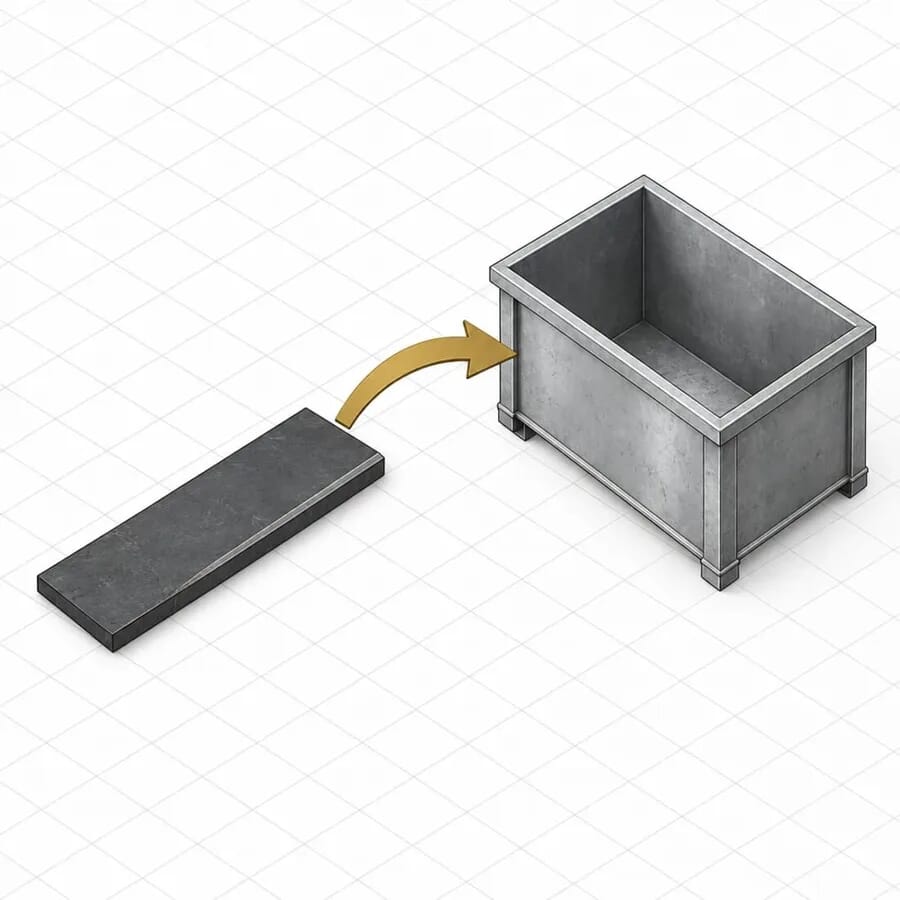
Follow local regulations and your company's procedures. Avoid dispersing dust during removal and transport.
Identify waste according to the equipment's actual use and substances it may have contacted. Keep used parts contained during transport and consult the waste handling procedure applicable to your facility or maintenance workshop before arranging disposal.
Quotations, manufacturing, shipping and orders.
If you already know the replacement, check the supply contents in the shop. For custom vanes, provide a drawing or sample, material, quantity and destination. These answers cover quotations, repeat orders and transport planning. Custom manufacturing starts at 4 units and remains subject to technical review.
Browse vanes and spare parts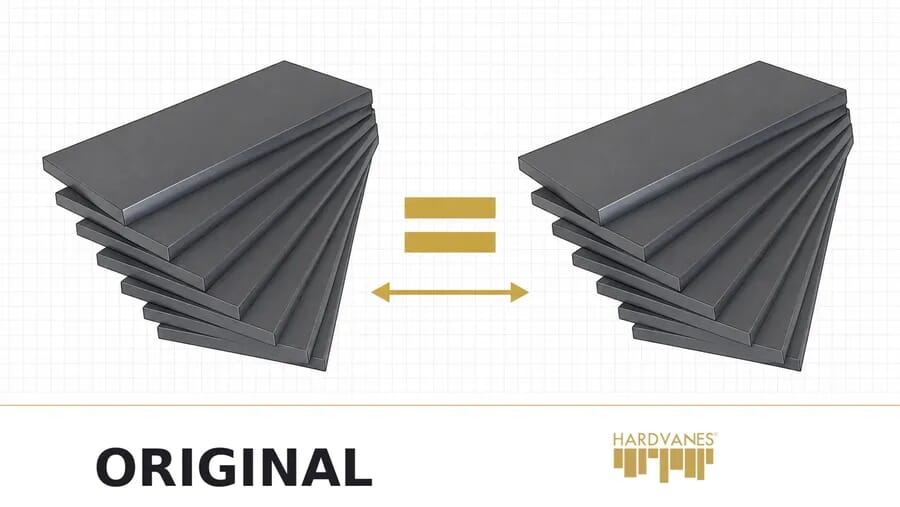
Selection must consider the exact part number, material composition, geometry, surface finish and operating conditions. HARDVANES supplies compatible alternatives for the models specified in each product sheet.
When buying a compatible vane, compare the replacement specification with your vacuum pump documentation. A similar photograph or one matching dimension does not replace checking the material, complete part number and stated application for the exact model.
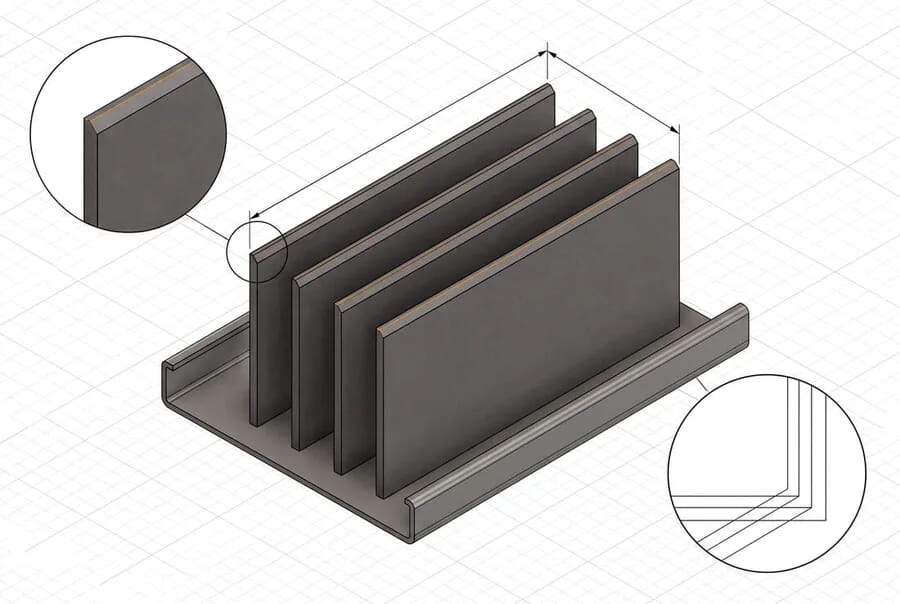
The minimum for custom manufacturing is 4 units. For catalogue parts, ask about available quantities and supply conditions.
Distinguish individual vanes, complete sets and manufacturing batches: they do not necessarily contain the same quantity. Tell us how many pumps you need to service and what each set contains so the quotation reflects your actual requirements.
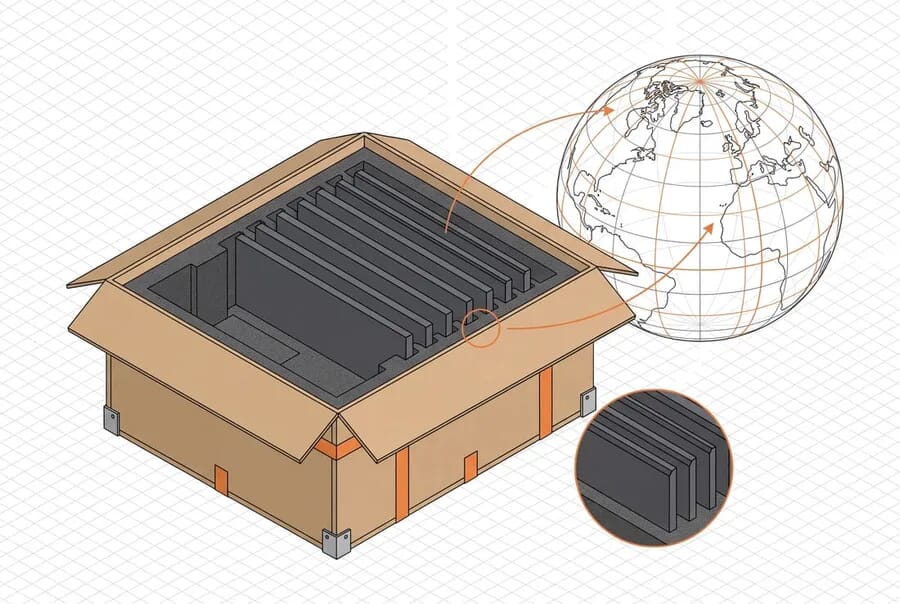
Yes. Provide the country, city, postcode and quantity for a shipping quotation. We will confirm the service, cost and estimated delivery time.
For an international purchase, also provide billing details and your company's receiving instructions. Check the quotation for the transport costs included and the responsibility for any destination procedures; do not assume every delivery arrangement covers identical services.
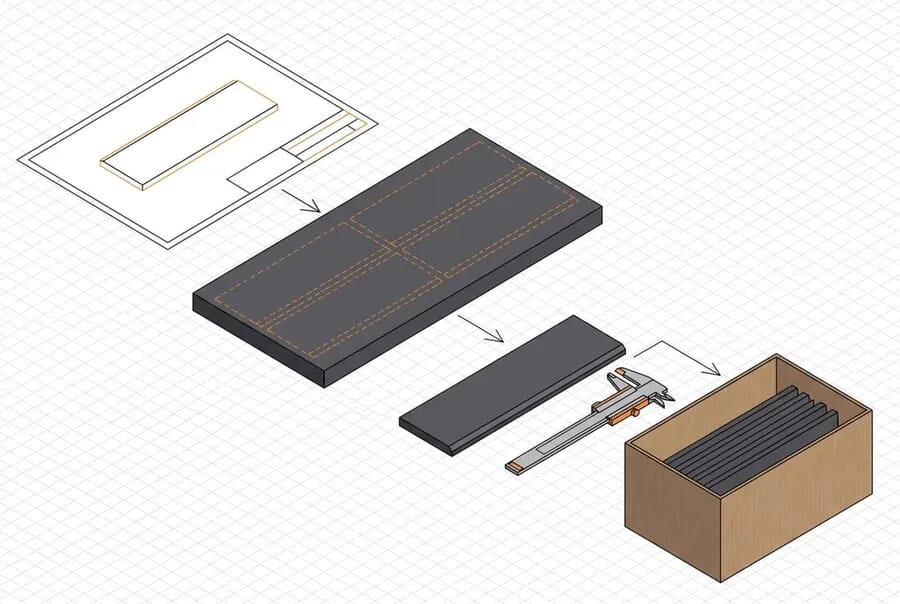
It depends on the material, dimensions, geometry, quantity and technical approval. After receiving a drawing or sample, we state the expected lead time in the quotation.
Separate the time needed to validate the part, manufacture it and transport it. If you have a scheduled maintenance shutdown, tell us the required date before ordering so the proposed schedule can be assessed with all relevant information.

HARDVANES manufactures and machines its own production references in Spain. The specific origin of each supply can be checked in its commercial documentation.
For our own manufactured vanes, machining establishes dimensions, chamfers and functional surfaces. When comparing suppliers, ask about the material grade and the work performed on the part, alongside the country of manufacture and the specification offered.
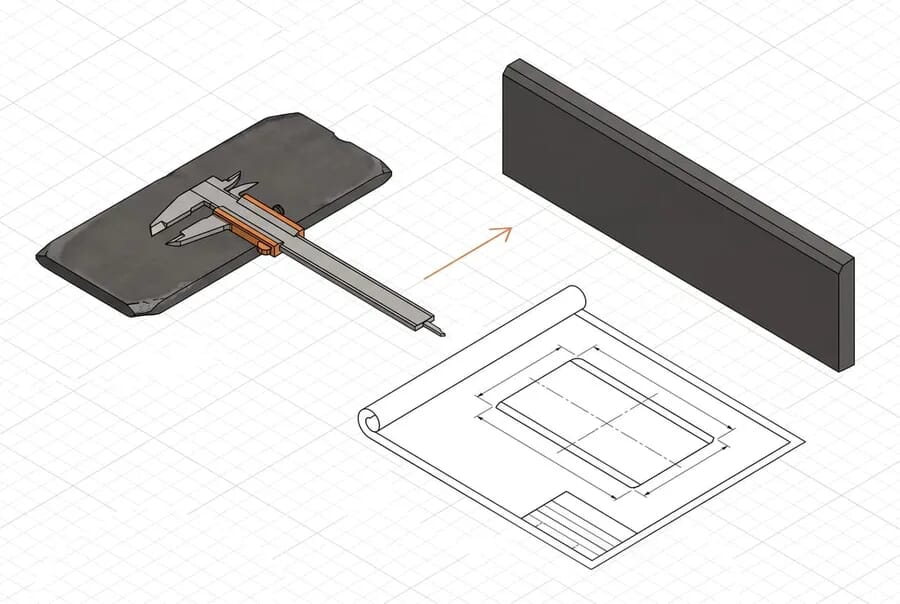
We determine the time after examining the sample, dimensions and equipment documentation. A damaged part may require additional checks.
A used sample reflects both its original geometry and accumulated wear. Include photographs of its position, available measurements and equipment details to help distinguish design features from service damage when the feasibility of reproducing the part is assessed.
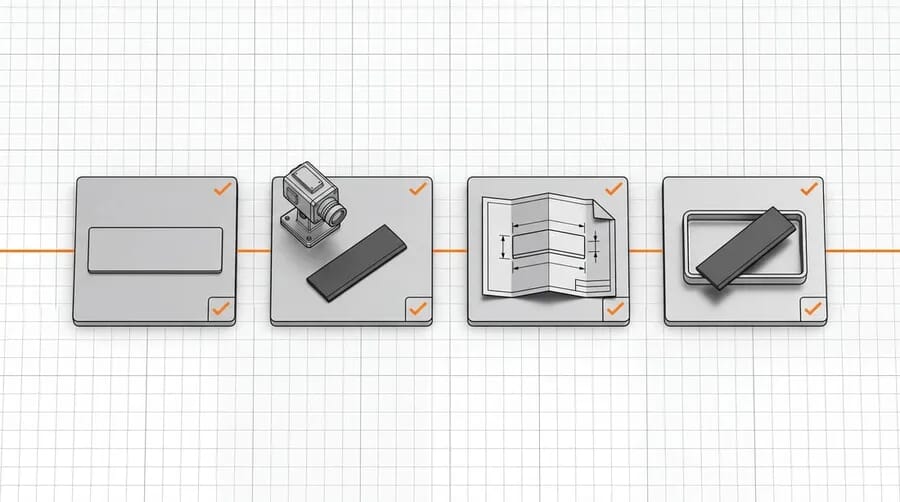
Send the brand, full model, serial number, previous part number and a readable nameplate photograph. For custom work, include a dimensioned drawing, CAD file or physical sample.
Photograph the complete nameplate, rather than just the brand logo. Include model suffixes, manual references and the number of vanes per set. This reduces follow-up questions and helps prepare a more precise replacement quotation for your equipment.
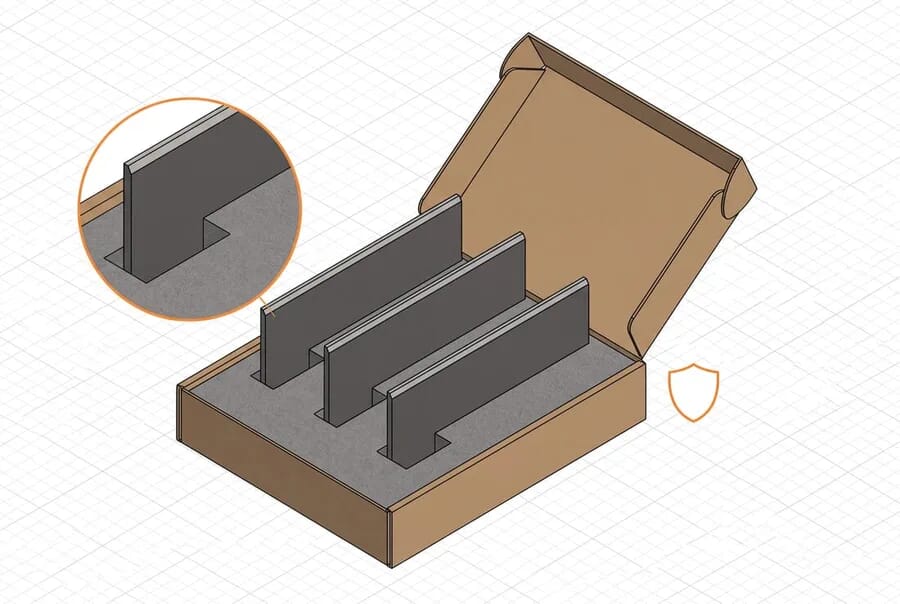
Packaging must hold vanes securely and protect their edges and machined surfaces. Inspect them on arrival and report any damage promptly with photographs.
On receipt, check the part number, quantity and condition before taking the order into the workshop. Retain the batch identification and separate any damaged part; installing it before documenting the damage makes transport issues harder to assess.

We can help identify the right replacement from the documentation. Qualified personnel must carry out installation and repairs following the equipment manufacturer's manual.
A technical enquiry is more useful when it describes the symptom, when it started and recent installation changes. Include the replacement part number used: this helps investigate identification without confusing a mechanical fault with an incorrect selection.

Terms depend on the transaction and are stated in the quotation. Ask about any specific B2B payment requirements before confirming your order.
For a business purchase, prepare your company name, billing address, contact details and internal purchase reference. Review the conditions stated in the quotation before issuing an order; do not assume that all transactions carry identical commercial terms.
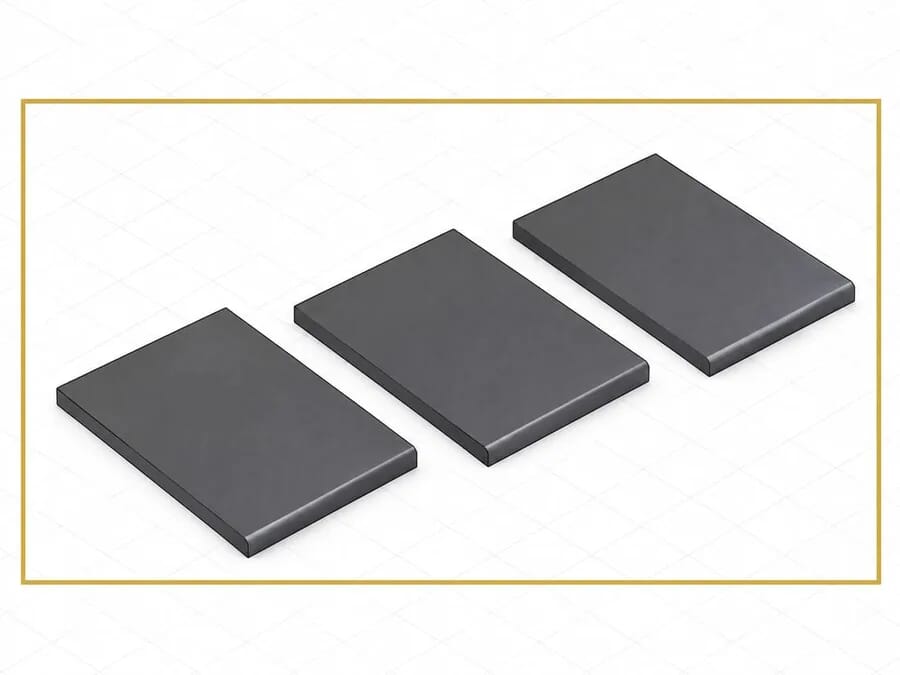
Send the brand, full model, serial number, previous reference, quantity and photographs of the nameplate and vane. We will quote the material, lead time and terms.
Add the date you need the material and distinguish planned replenishment from an urgent breakdown. If supplying measurements, state their units and source. A complete enquiry allows the replacement to be assessed beyond a brief commercial description.
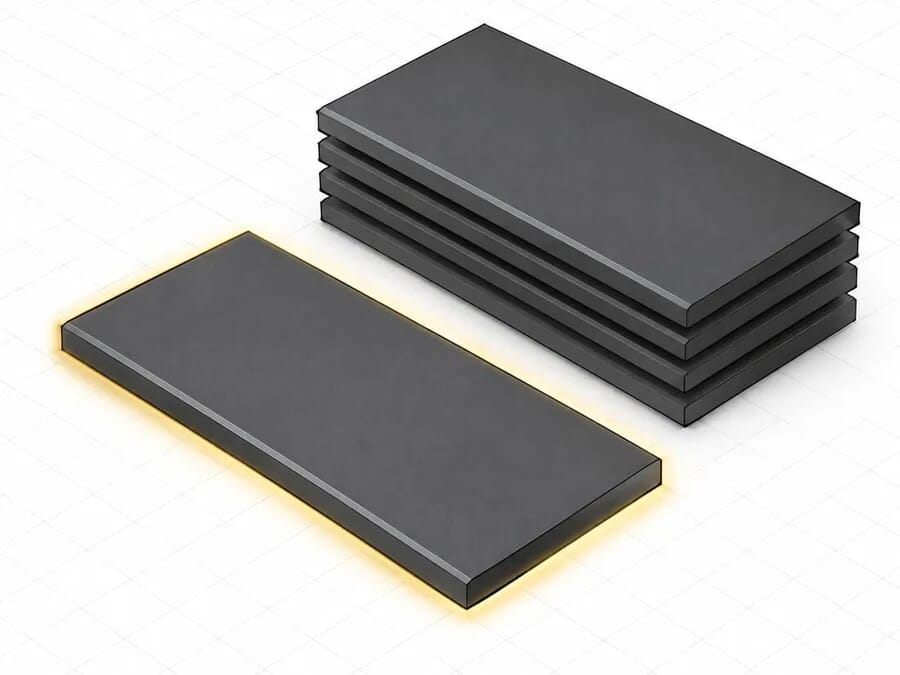
Ask before confirming the order. Sample availability depends on the reference, material and whether the part is standard or custom.
Explain what you want to check with a sample: dimensions, intended installation or reference identification. Agree the scope beforehand; receiving a sample does not replace technical validation or guarantee performance across every operating condition of the equipment.
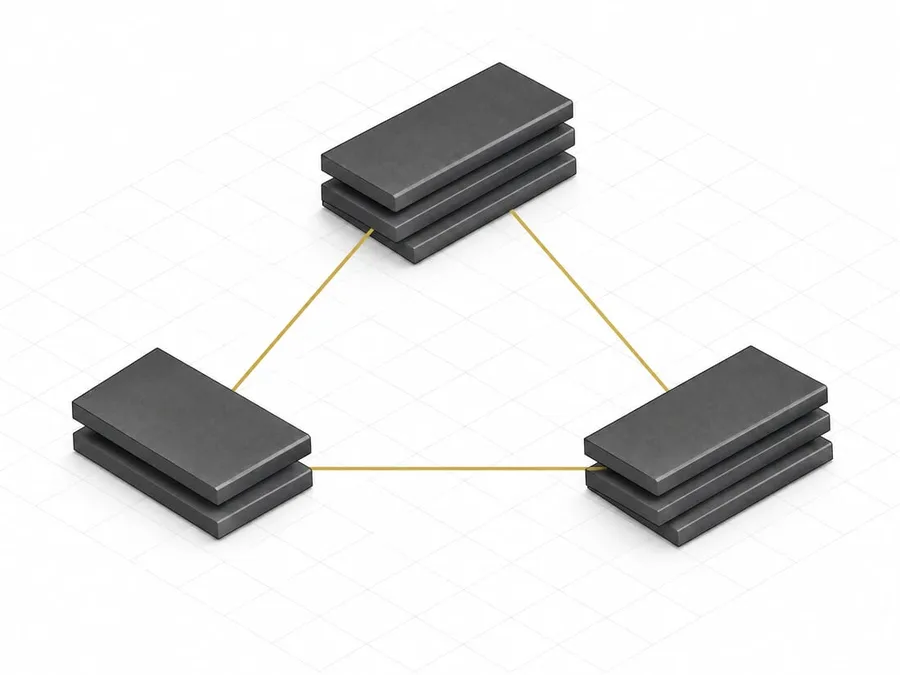
We can discuss terms for industry professionals. Tell us about your activity, expected volume and required references.
For recurring purchases, organise references by pump brand and model instead of grouping parts solely by size. A clear list of regular replacements helps assess supply and distinguish catalogue references from parts requiring a specific manufacturing enquiry.
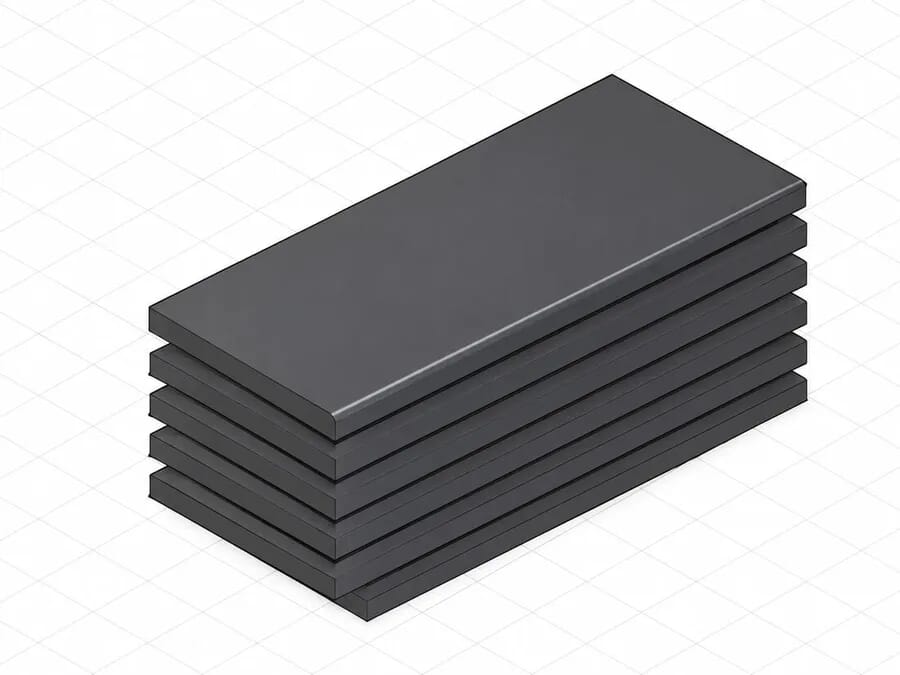
Yes, the transaction is invoiced. Request any additional documentation your company needs before confirming the order.
Send the billing information and administrative reference required for the transaction. If you need certificates or material documentation, specify the requirement when requesting a quotation; special documentation is not automatically included with every type of supply.
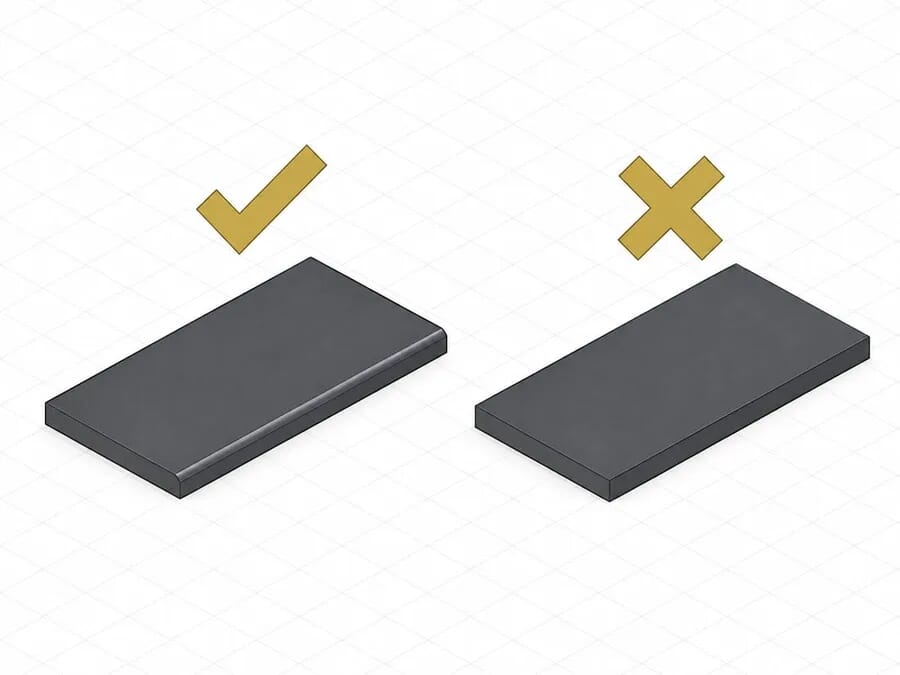
Keep the original packaging and do not install the part. Contact us with the order number and photographs of the part and label.
Distinguish an incorrect reference from an apparent difference in packaging or marking. Include the delivery note and ordered reference. Review the documents before machining, sanding or installing any part whose identity has not yet been confirmed.
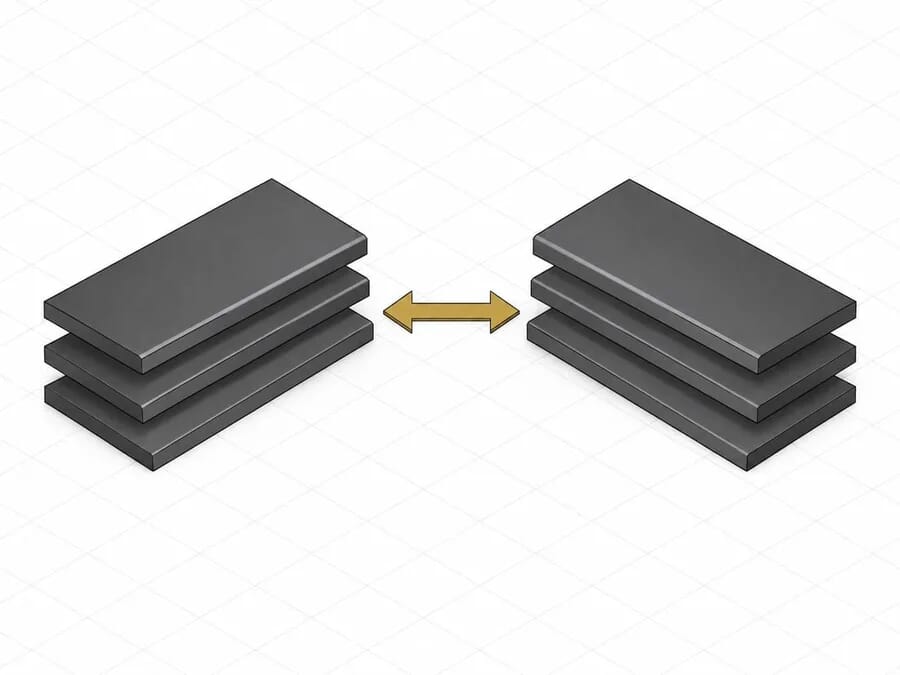
Yes, provided the agreed drawing, sample or reference is retained. Quote the previous order reference to avoid differences between batches.
Include the drawing revision, not only the old order number. Explicitly mention any change to the pump or application; repeating a supply with the same geometry requires keeping the agreed technical specification clearly identified and under revision control.
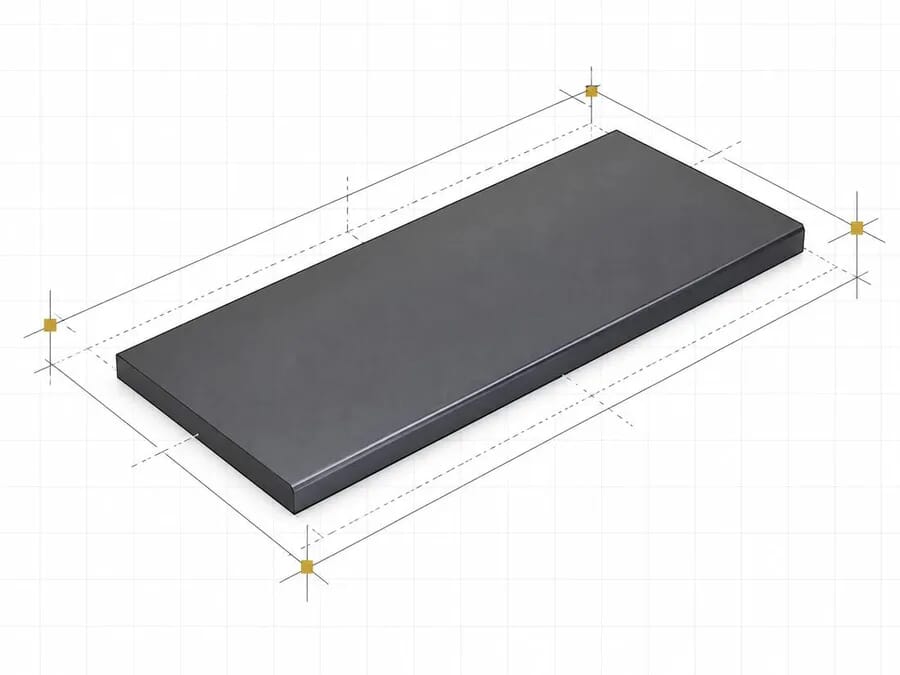
We use the documentation only to assess and manufacture your part. Request a formal confidentiality agreement before sending drawings if required.
Before sharing files, check that you are authorised to use the documentation and remove information unrelated to the part. Identify the drawing version and technical contact so any questions can be linked to a specific, traceable specification.
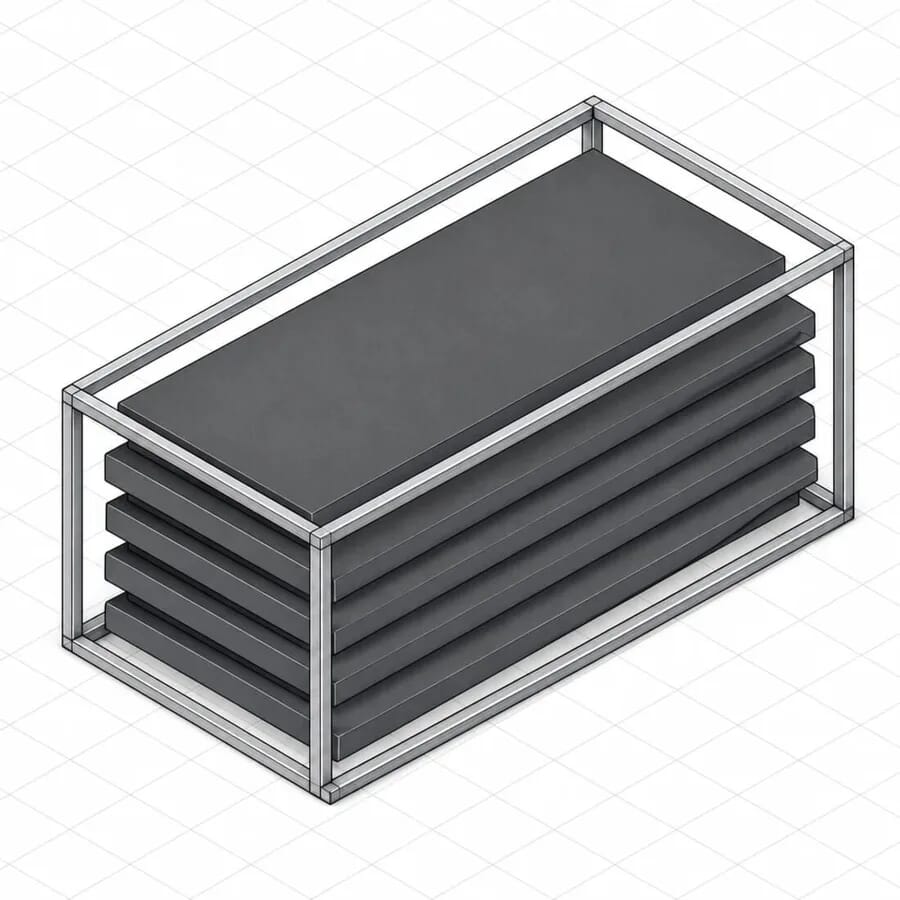
Ask when requesting a quotation. Delivery options depend on the reference, quantity and availability.
Confirm the collection location, date and authorised person before travelling. Collection depends on order preparation; requesting a quotation or making a technical enquiry does not mean that the goods are already ready for collection or dispatch.
View all questions · 99 Back to search ↑
HARDVANES technical guide
A vacuum vane must suit the equipment, operating duty and dimensions. This guide helps you identify replacement parts, compare materials and prepare maintenance for vacuum pumps and compressors.
The model, nameplate, original part number and measurements help check geometry before ordering a vane set.
Carbon graphite and epoxy fibre meet different needs. Selection depends on the equipment and actual working conditions.
Orientation, cleanliness, slots and clearances matter. Always follow the pump manufacturer's technical instructions.
Missing the part number? A nameplate photograph, vane dimensions and pump type provide a more precise starting point for a technical review.
For our EKVAC EVO+ carbon-graphite vanes, the material comes from Germany and machining and polishing take place in Spain. Confirm the correct grade and reference for your equipment.
The part number, material and operating conditions belong to the same decision.
Similar dimensions alone do not identify the right replacement.
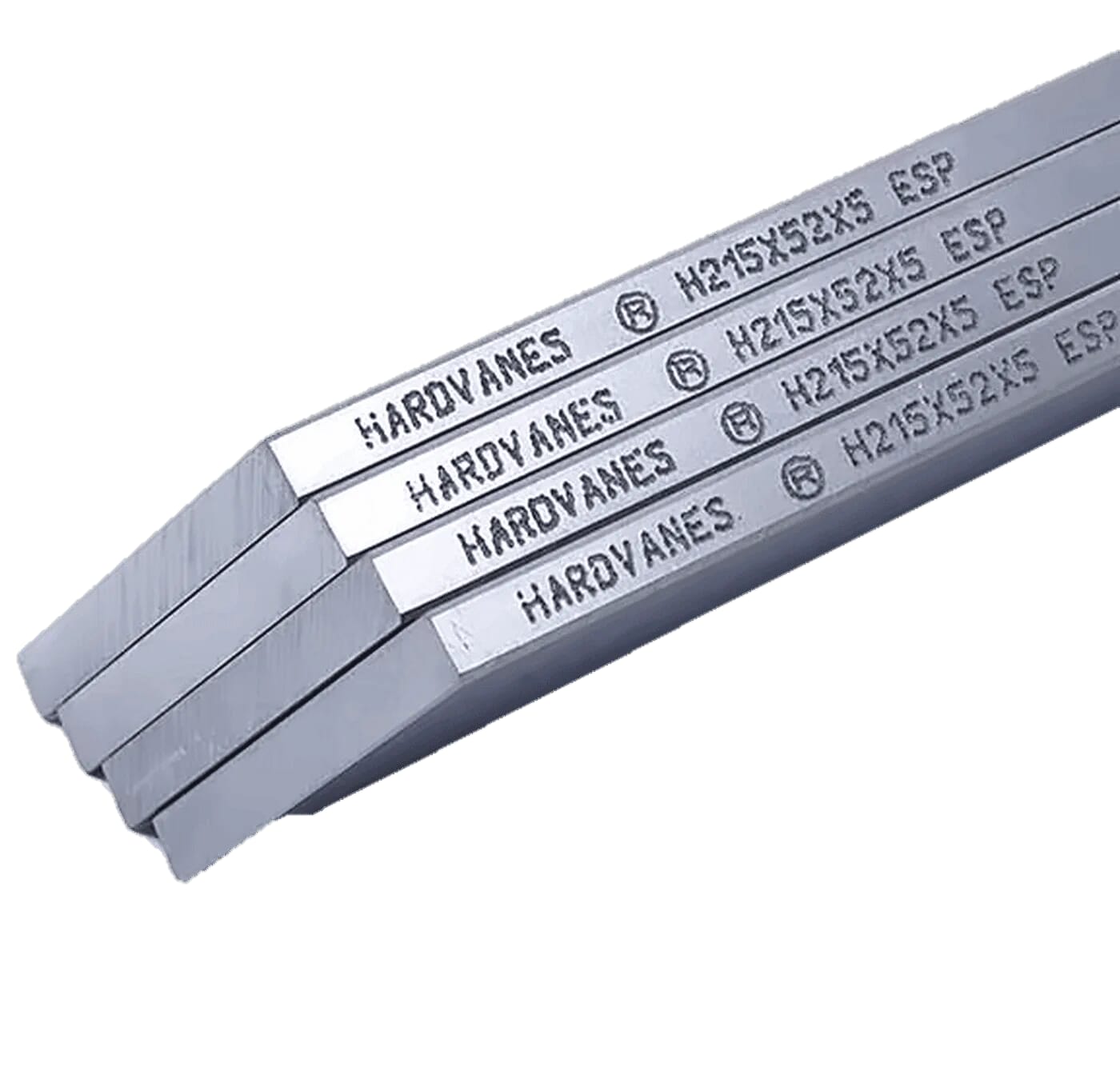
Send us the model, part number and a nameplate photograph. We will help identify the replacement.